
How to Choose the Right ESC PCB for Your Custom Quadcopter | Expert Guide
Table of Contents
- Introduction
- Core Function: What Does an ESC PCB Do?
- Deconstructing the ESC PCB: Key Components and Their Impact
- Partnering with the Right PCBA Manufacturer
- A Practical Checklist for Your Selection Process
- The Foundation of Flight
In the world of custom quadcopter building, the thrill lies in squeezing every ounce of performance from your machine. While frames, motors, and propellers get much of the glory, seasoned pilots know that the true unsung hero—and a common point of failure—is the Electronic Speed Controller (ESC) Printed Circuit Board (PCB).
Choosing an off-the-shelf ESC is one thing, but designing or selecting a custom ESC PCBA (Printed Circuit Board Assembly) is a different ball game. It's a critical decision that dictates the reliability, responsiveness, and ultimate power of your quad. This guide will delve into the technical intricacies of ESC PCBs, empowering you to make informed decisions for your next high-performance build.

Core Function: What Does an ESC PCB Do?
Before diving into the selection criteria, it's crucial to understand the ESC's role. It acts as the intermediary between the flight controller (the brain) and the brushless motors (the muscles). Its primary functions are:
- Power Switching: It rapidly switches high currents from the battery to the motor's three phases (A, B, C) to generate a rotating magnetic field.
- Communication: It interprets signals from the flight controller (typically PWM, DShot, or Proshot protocols) to determine the required motor speed.
- Telemetry: Advanced ESCs provide feedback data (RPM, current draw, temperature) back to the flight controller for tuning and monitoring.
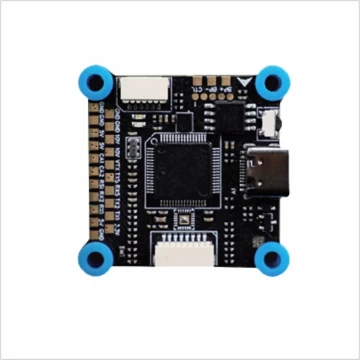
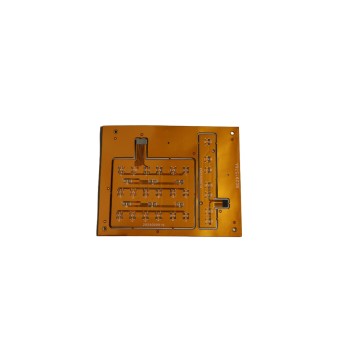
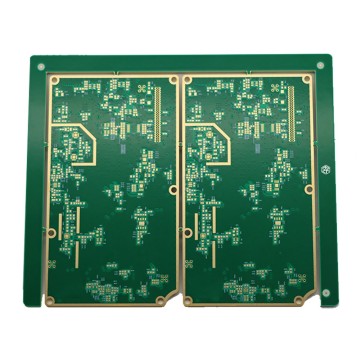
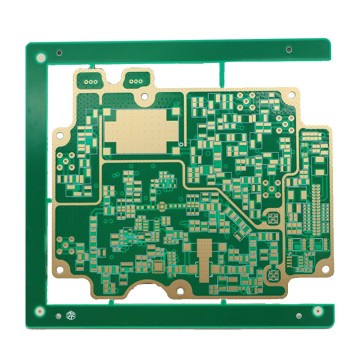
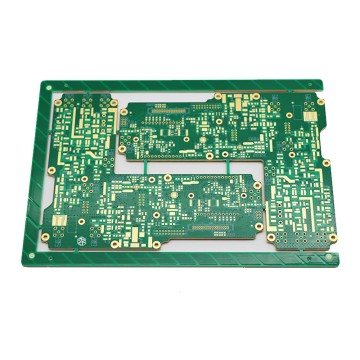
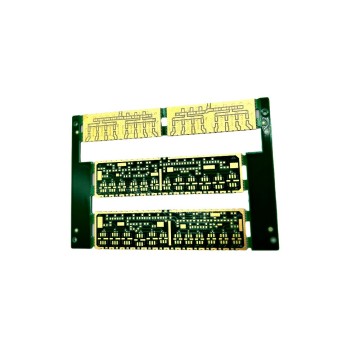
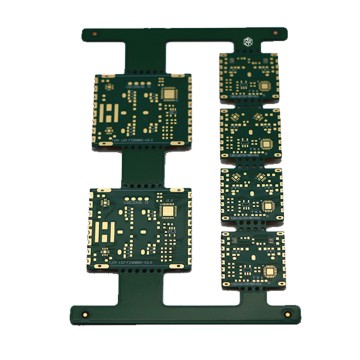
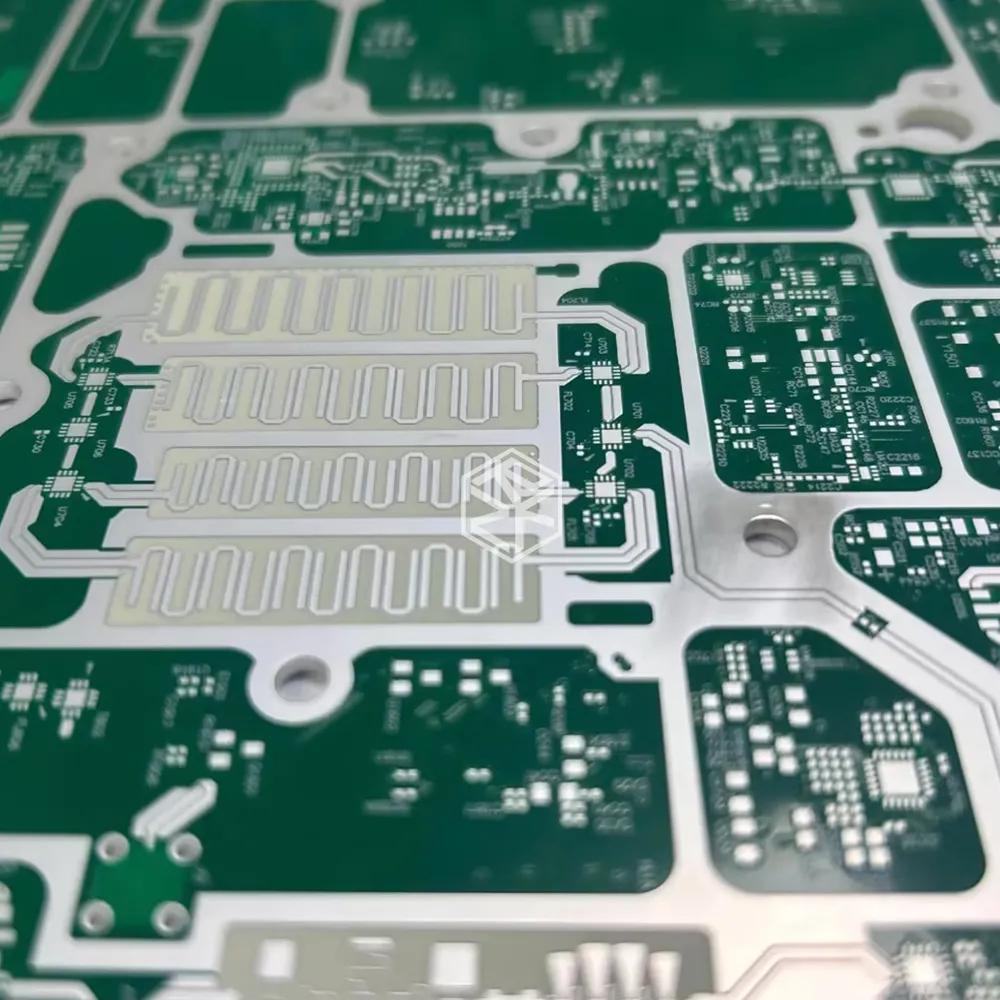
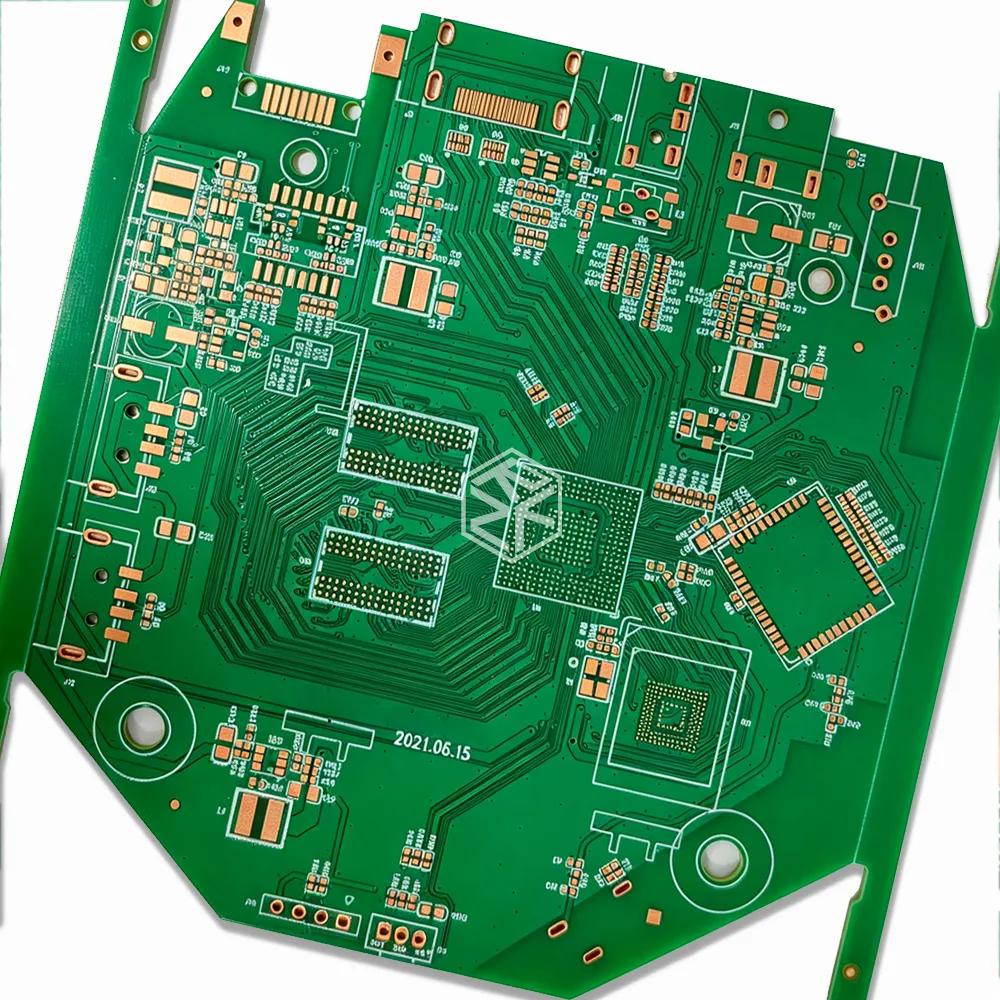
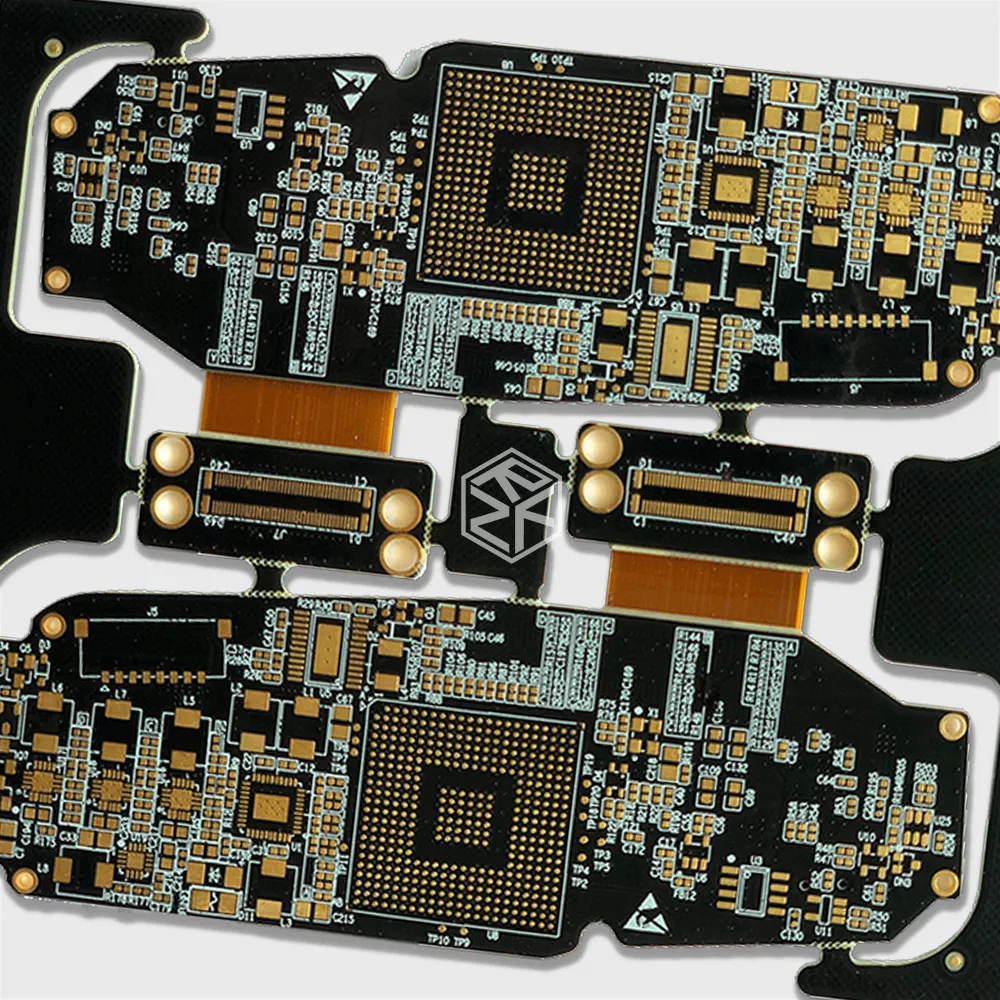
The PCB is the foundation that hosts all the components enabling these functions. Its design directly impacts the efficiency, heat dissipation, and electrical noise of the entire system.
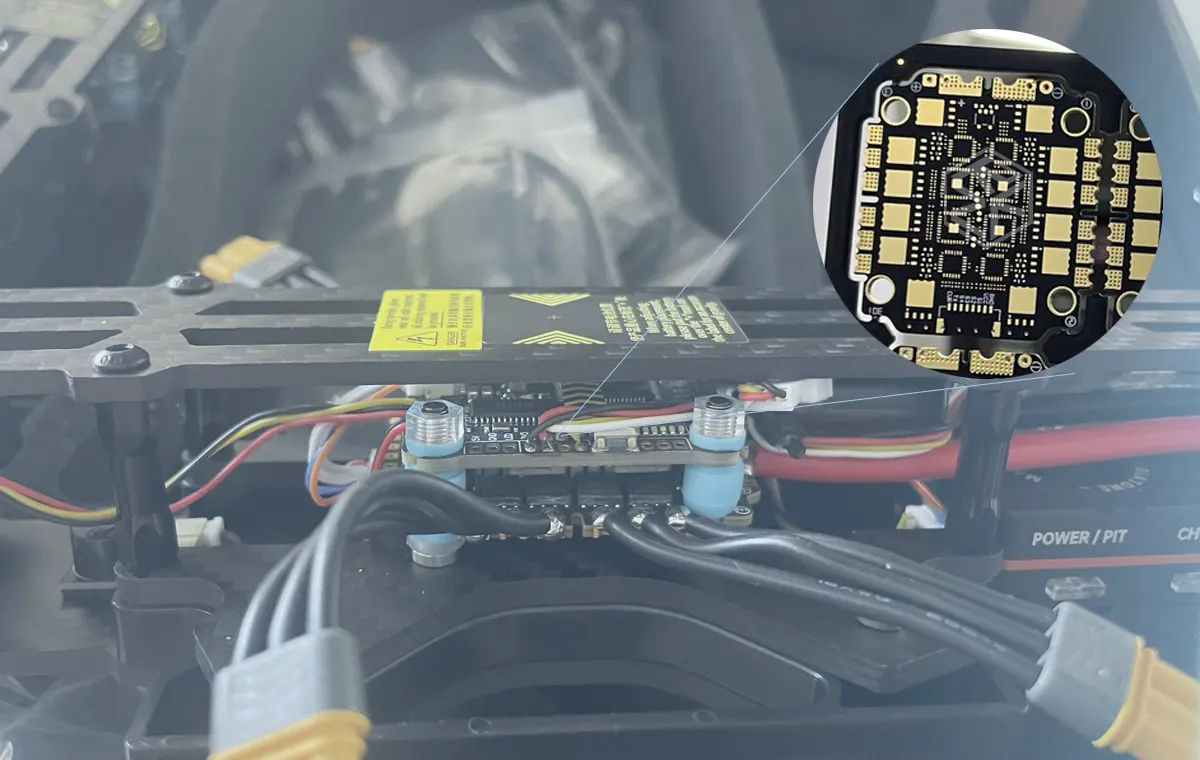
Deconstructing the ESC PCB: Key Components and Their Impact
A high-performance ESC PCB is more than just a board with components; it's a carefully engineered system.
A. MOSFETs (Power Switches)
What they are: Metal-Oxide-Semiconductor Field-Effect Transistors are the workhorses that handle the high current load.
Selection Criteria:
- RDS(ON): This is the resistance when the FET is on. Lower is better. A lower RDS(ON) means less energy is wasted as heat, leading to higher efficiency and more power for your motors.
- Voltage Rating: Must comfortably exceed your battery voltage (e.g., 30V-40V FETs for 6S LiPo ~25.2V). Higher voltage ratings offer a safety margin against voltage spikes.
- Current Handling: The continuous and pulsed current ratings must meet the demands of your motors under extreme load.
- Switching Speed: Faster switching allows for higher PWM frequencies, leading to smoother motor operation. However, it must be managed to prevent electromagnetic interference (EMI).
B. Microcontroller Unit (MCU - The Brain)
What it is: The processor that runs the ESC firmware (e.g., BLHeli_32, AM32, KISS).
Selection Criteria:
- Processing Power: Modern 32-bit MCUs (like ARM Cortex-M0) have largely replaced older 8-bit chips. They enable advanced features: higher refresh rates (DShot1200), sophisticated algorithms (RPM filtering), and telemetry, all contributing to buttery-smooth flight and precise control.
- Firmware Compatibility: Your choice of MCU will determine which firmware you can run. Ensure your manufacturer can source MCUs supported by your preferred firmware.
C. Layout and Power Plane Design
This is where PCB design becomes an art form.
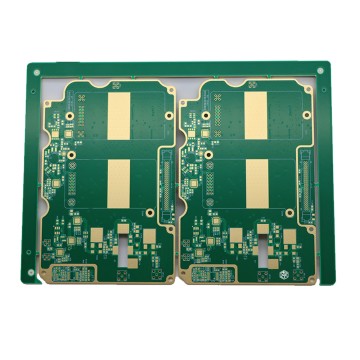
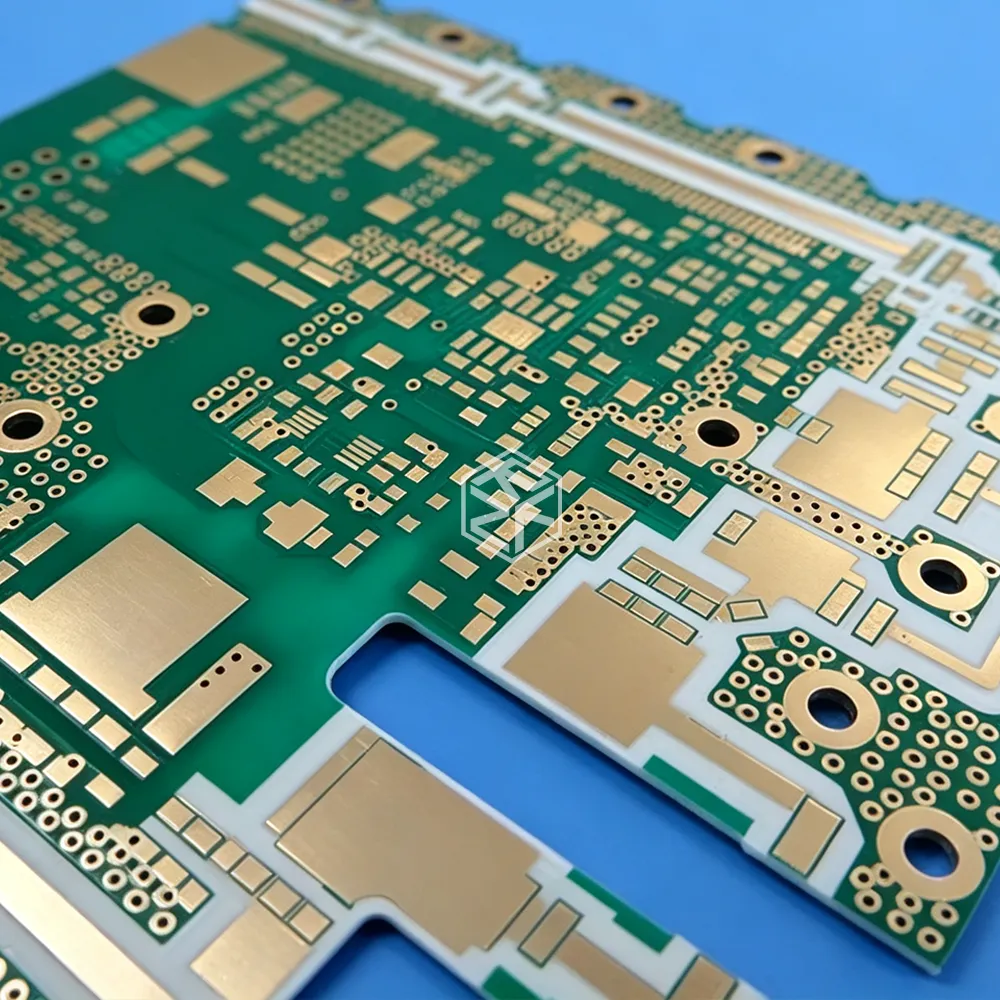
- Current Paths: The traces carrying high current (from battery input to FETs to motor outputs) must be short, wide, and thick. Many high-end ESCs use 2oz or even 3oz copper layers to minimize resistance and improve heat dissipation.
- Decoupling Capacitors: The placement and value of capacitors are non-negotiable. A large bulk capacitor at the input smooths out the battery voltage, while smaller ceramic capacitors placed very close to the FETs suppress high-frequency noise. Poor capacitor selection or placement is the leading cause of desyncs and destructive voltage spikes.
- Thermal Management: The PCB itself is a heatsink. Exposed copper pads under the MOSFETs, connected to the ground plane via thermal vias, are essential for drawing heat away from the components and into the air or an external heatsink.
D. Additional Features
- Current Sensor: A dedicated chip to measure real-time current draw, essential for telemetry and battery management.
- Black Box Logging: Some ESCs can store flight data internally, a invaluable tool for debugging and tuning.
- 4-in-1 vs. Single ESCs: A 4-in-1 ESC integrates four ESCs on a single PCB, saving space and weight. Single ESCs are more modular and easier to replace after a crash. The choice affects overall PCB layout complexity.
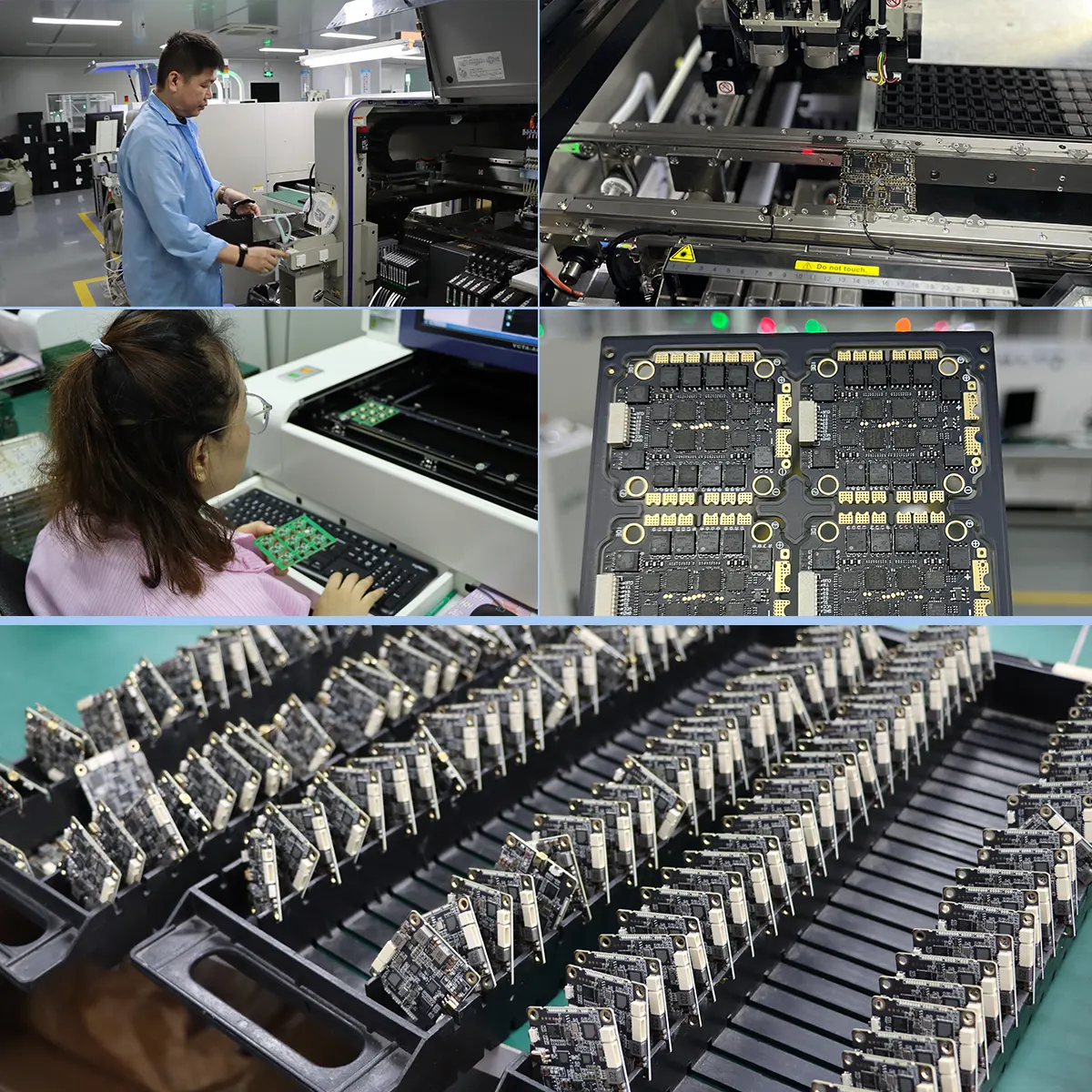
Partnering with the Right PCBA Manufacturer
For a custom project, you're not just buying a component; you're engaging a manufacturing partner. Here's what to look for:
- Experience with High-Frequency, High-Current Designs: Not all PCB manufacturers understand the unique challenges of ESC design. Ask for examples of their work in power electronics.
- Material Selection: They should recommend appropriate materials like TG170-180 PCBs for higher thermal resilience and thick copper layers.
- Assembly Capabilities: They must have the precision to place tiny components (like 0201 resistors/capacitors) accurately and handle the soldering of large thermal mass components (MOSFETs) without causing damage.
- Testing and Quality Control (QC): Inquire about their QC protocols. Flying Probe Testing is a minimum. For high-end builds, functional testing under load is highly advisable.
- Support for Design for Manufacturability (DFM): A good manufacturer will review your Gerber files and provide feedback to improve yield and reliability, catching potential issues before they go to production.
A Practical Checklist for Your Selection Process
| Aspect | Questions to Ask | What to Look For |
|---|---|---|
| Performance | What is the target current rating? (e.g., 45A continuous, 55A burst)? | FETs with sufficiently low RDS(ON) and current rating. |
| What protocol and refresh rate do I need? (DShot600, DShot1200)? | A 32-bit MCU compatible with BLHeli_32 or AM32 firmware. | |
| Reliability | How is heat managed? | Robust power planes, thermal vias, and recommendations for external heatsinking. |
| Is the design protected against voltage spikes? | Properly sized and positioned input capacitors. | |
| Manufacturing | Can the manufacturer realize my design intent? | Proof of similar work, DFM support, and thick copper layer capabilities. |
| How is the final product tested? | Commitment to 100% electrical testing and optional functional testing. |
The Foundation of Flight
Selecting the right ESC PCB is a deep investment in the performance and integrity of your custom quadcopter. It's a decision that blends electrical engineering, thermodynamics, and precise manufacturing. By moving beyond mere specifications and understanding the why behind component selection and layout, you empower yourself to choose or design a board that isn't just a component, but the robust and high-performing heart of your aircraft.
Don't leave your build to chance. Partner with a PCBA manufacturer who speaks the language of performance and precision.