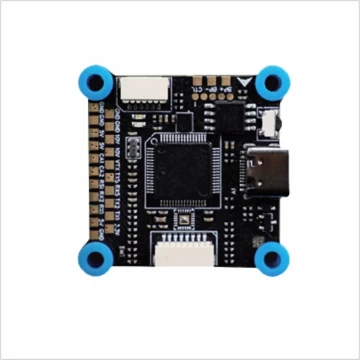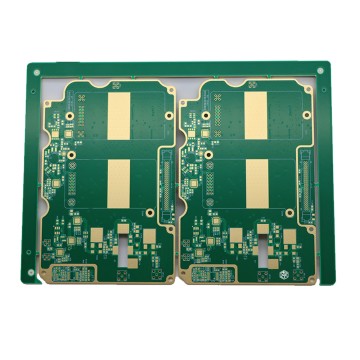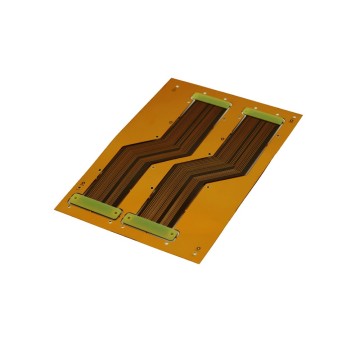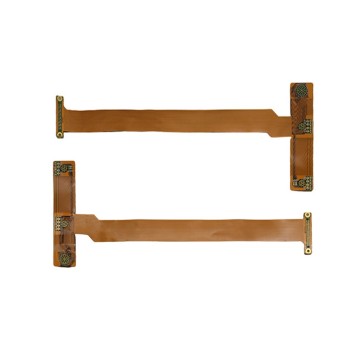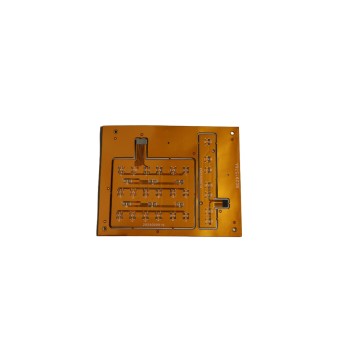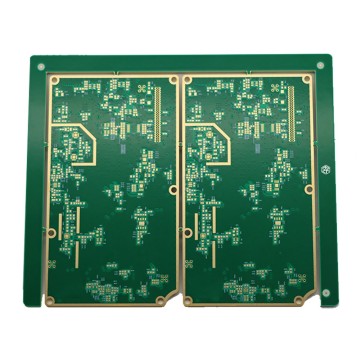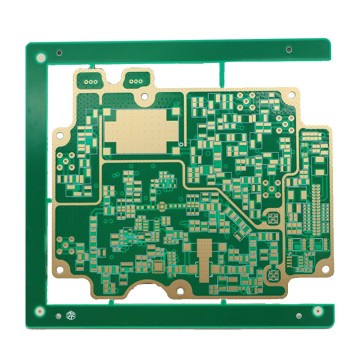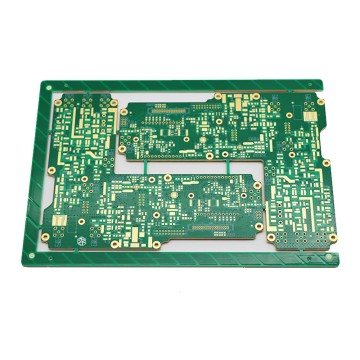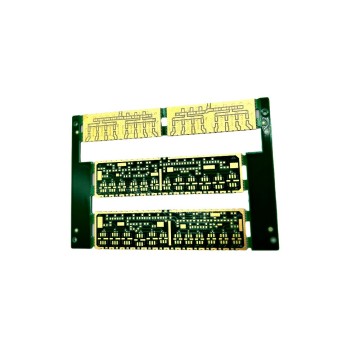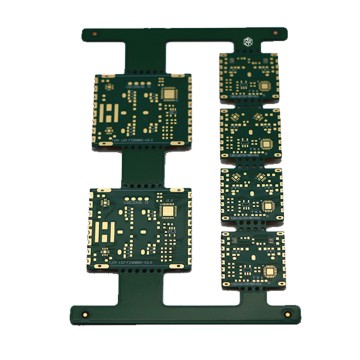

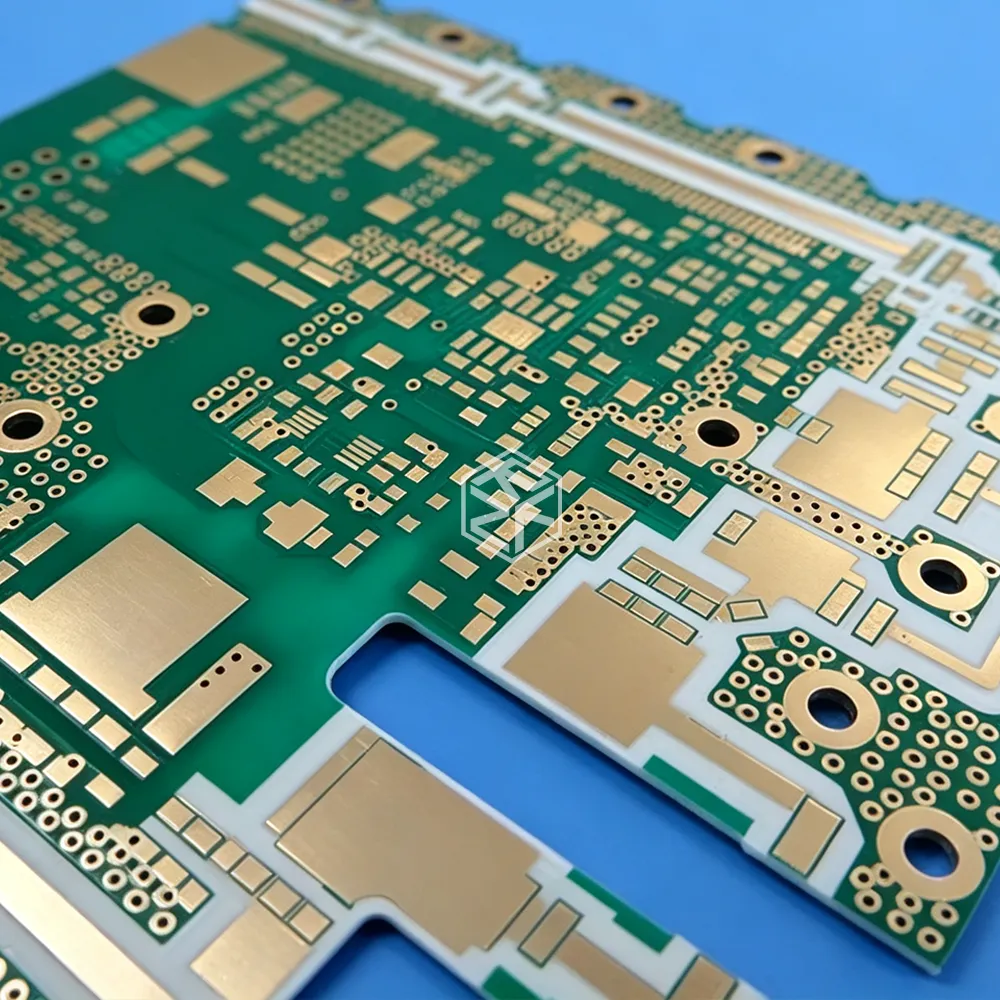
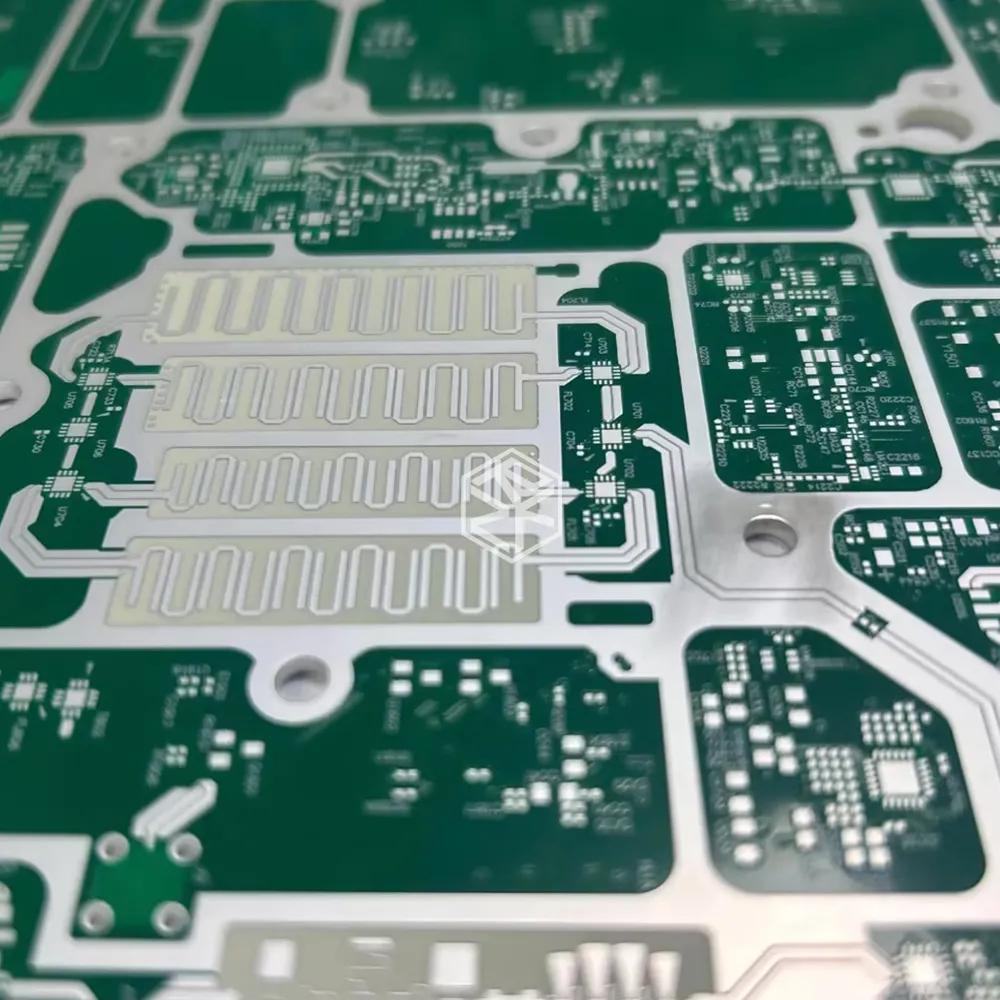
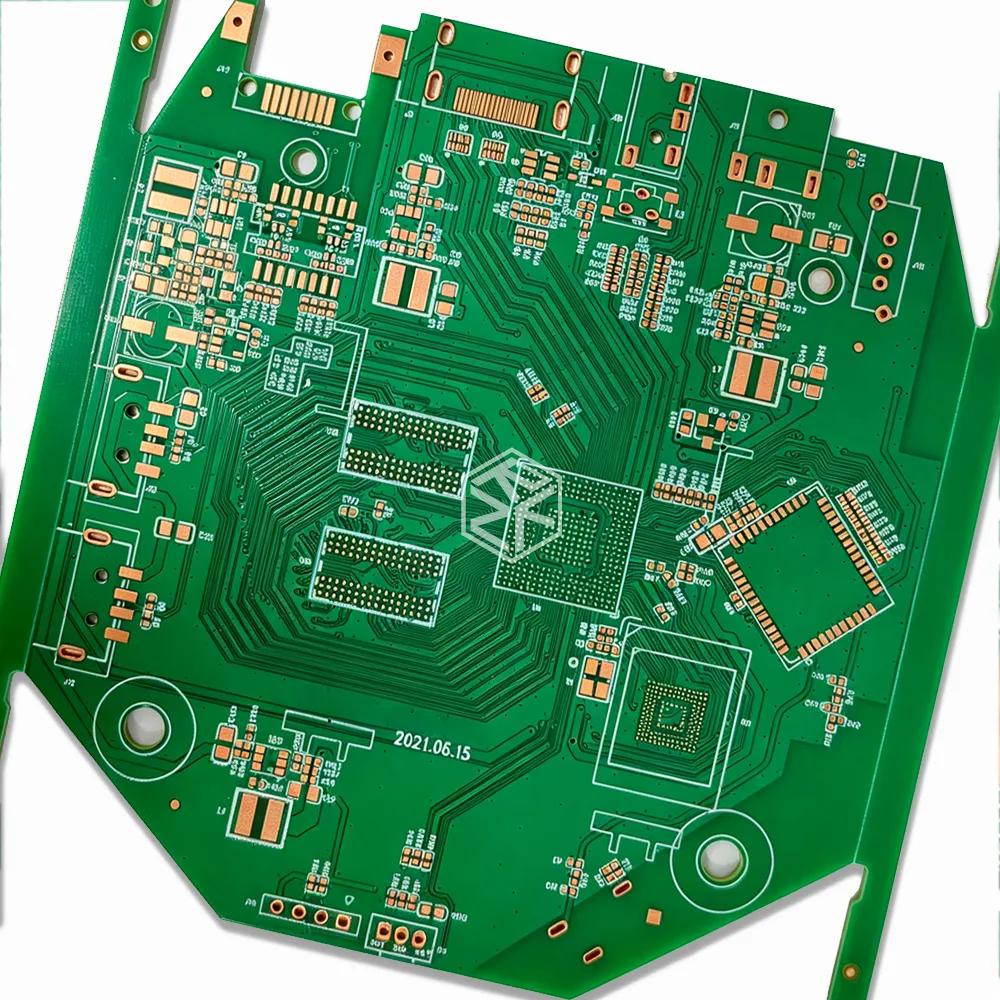
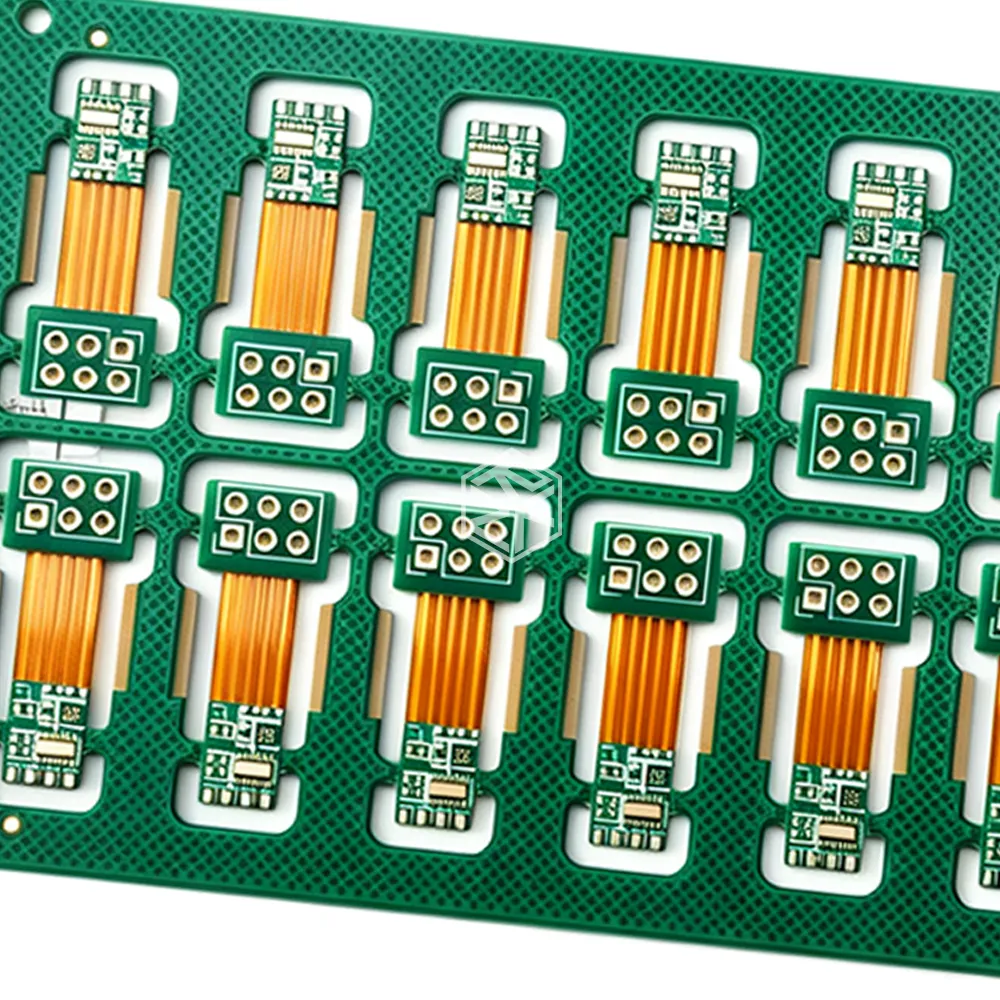
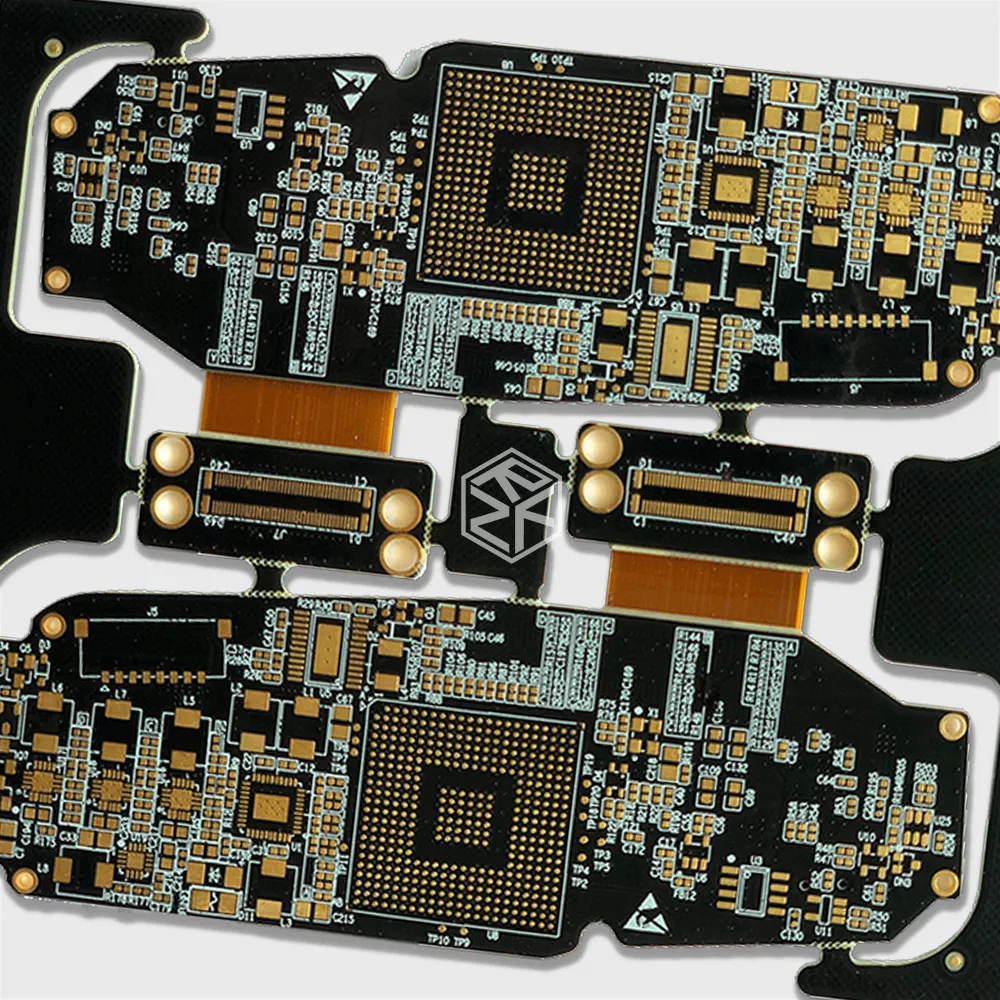
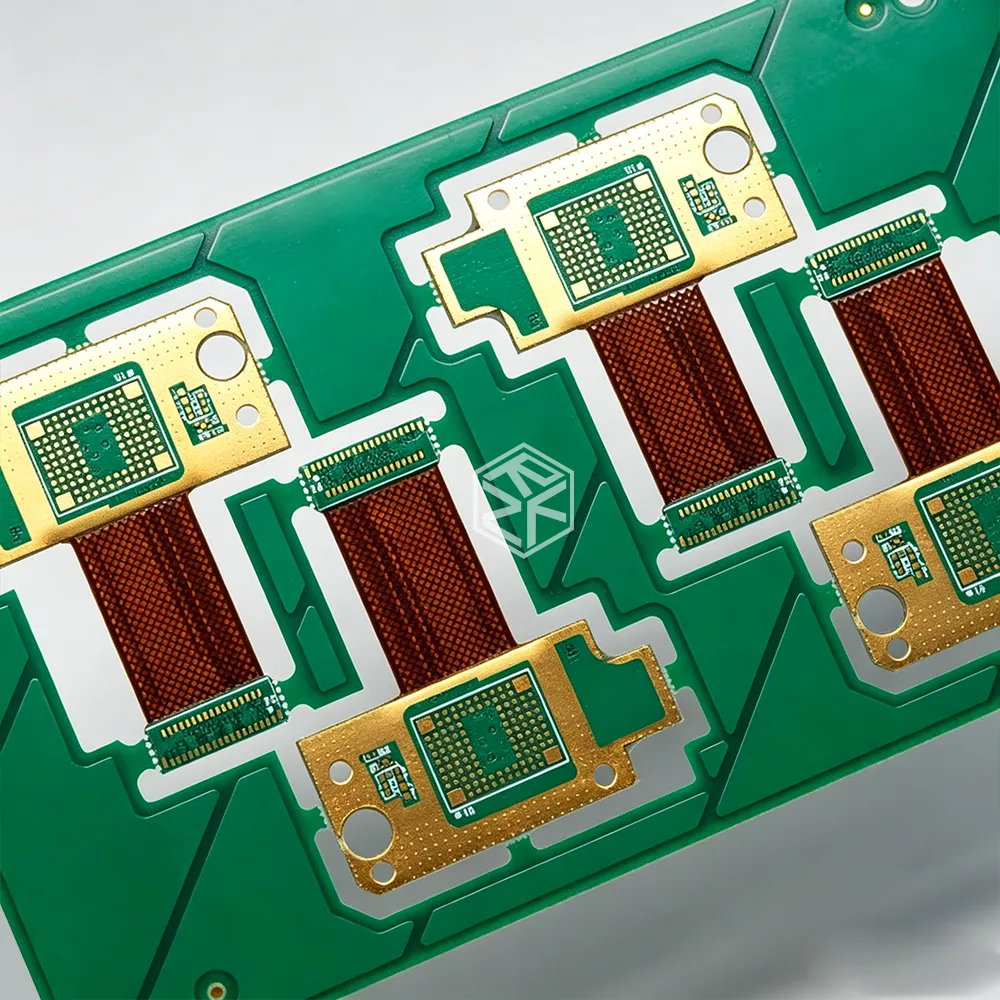
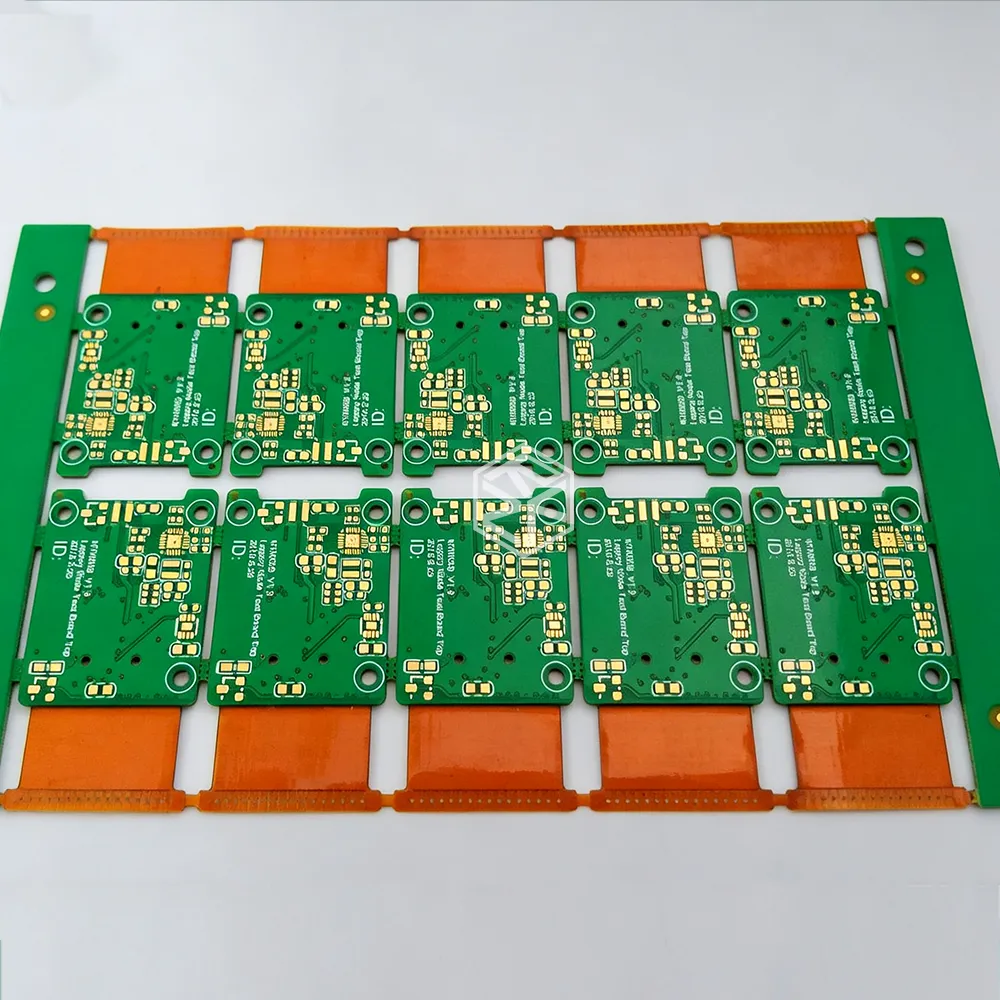
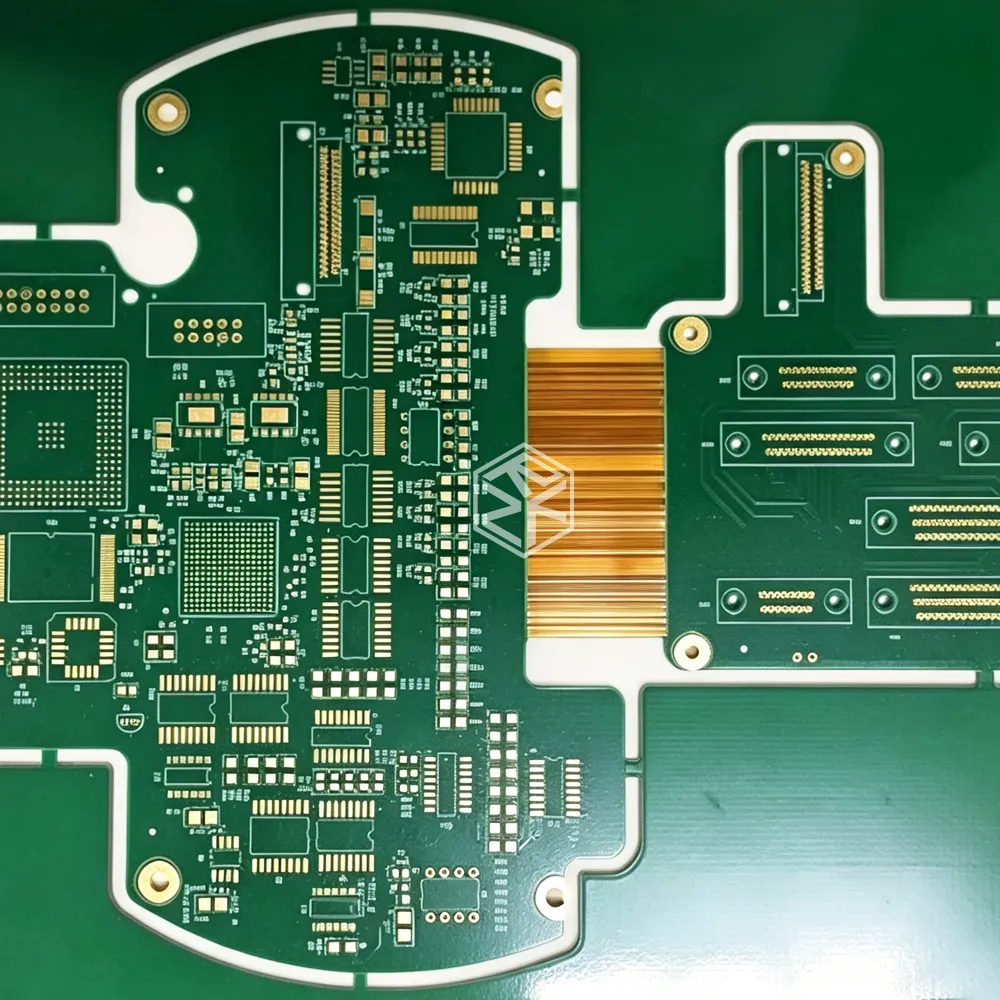
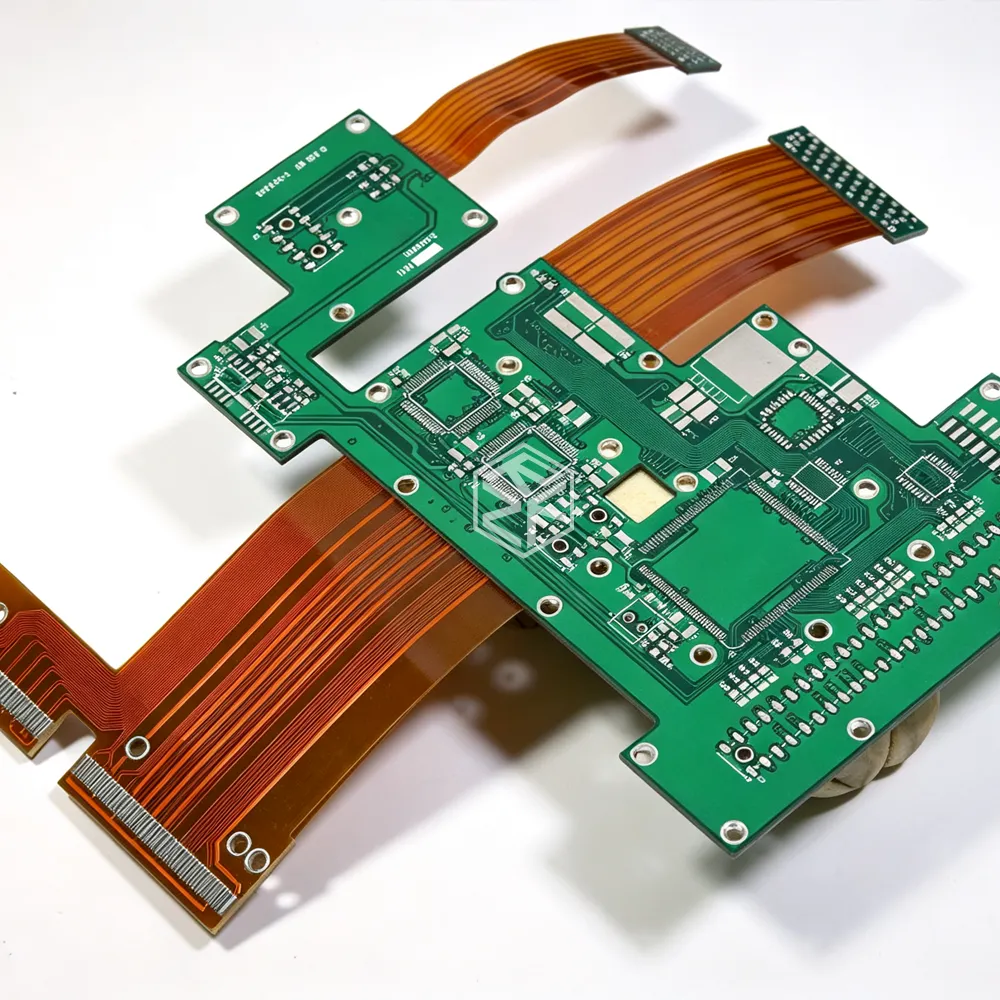
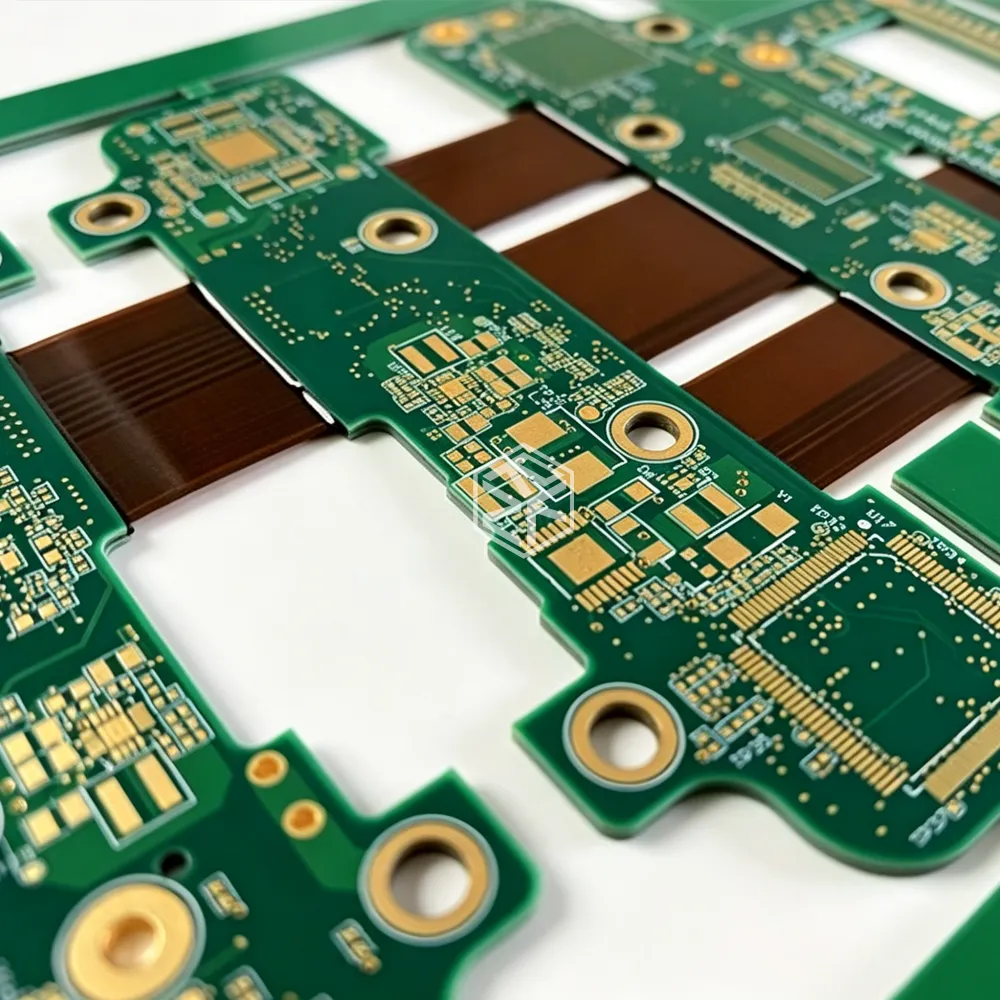
High-Frequency Rogers Material PCB Manufacturer for 5G Base Stations
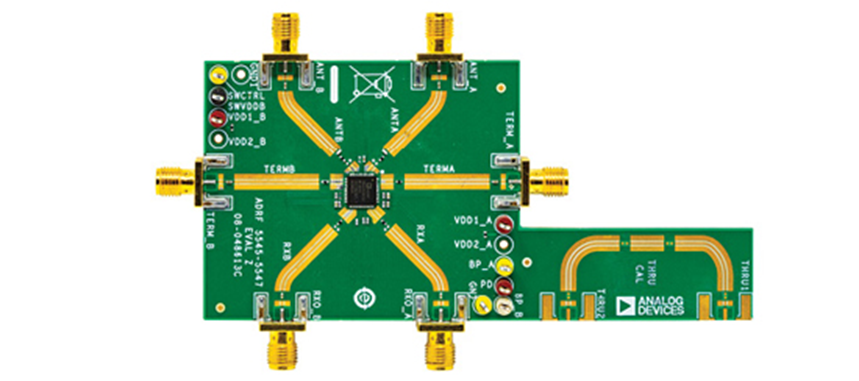
In modern 5G base station systems, signal integrity is no longer just a design concern—it is a manufacturing discipline. A true high frequency PCB manufacturer must control not only layout but also materials science, dielectric behavior, and process precision. At frequencies ranging from sub-6 GHz to mmWave bands, Rogers PCB materials such as Rogers 4003 PCB and Rogers 5880 PCB provide stable dielectric performance, low loss tangent (Df), and predictable impedance behavior. These characteristics are essential for Massive MIMO antenna arrays, RF front-end modules, Power amplifier (PA) chains, and Beamforming networks. A high frequency circuit board manufacturer with deep engineering capability ensures that electrical performance, thermal stability, and mechanical reliability remain consistent from prototype to mass production.
Rogers PCB Materials: The Foundation of High Frequency PCB Manufacturing
The selection of Rogers PCB materials is the starting point for any high-performance RF design. A professional Rogers PCB manufacturer understands that material choice directly impacts insertion loss, phase stability, and thermal drift.
Key Material Properties: Dielectric Constant (Dk) stability across frequency, Loss Tangent (Df) for minimizing signal attenuation, Thermal Coefficient of Dk (TCDk) for phase consistency, and low moisture absorption for reliability.
Typical materials used in 5G applications: Rogers 4003 PCB → Balanced cost/performance, widely used in RF modules. Rogers 5880 PCB → Ultra-low loss for mmWave applications. Hybrid stackups (Rogers + FR4) for cost optimization. From an engineering standpoint, material uniformity and lot-to-lot consistency are just as critical as datasheet parameters. This is where an experienced high frequency PCB manufacturer demonstrates true capability.
Controlled Impedance Engineering in High Frequency Circuit Board Manufacturing
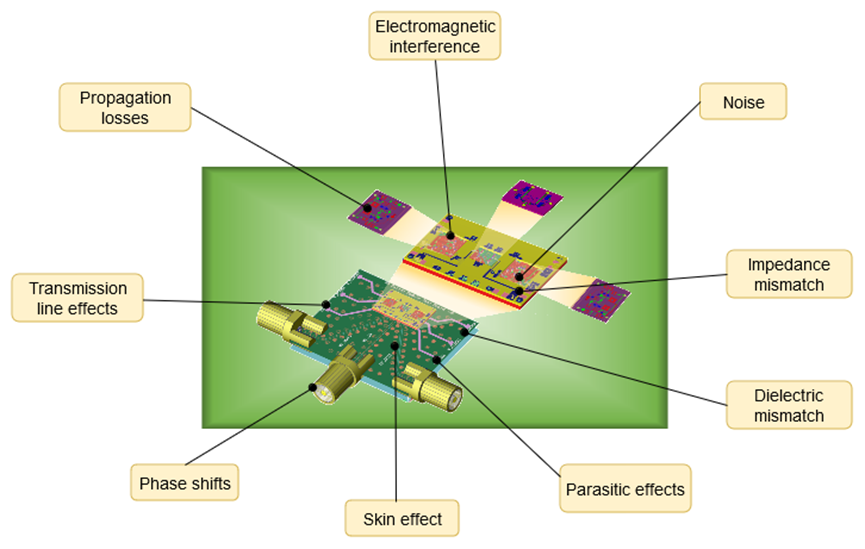
In RF and microwave systems, impedance mismatch leads directly to signal reflection, insertion loss, and system inefficiency. A qualified high frequency circuit board manufacturer must ensure impedance tolerance within ±5% or tighter, accurate stackup design and dielectric thickness control, and consistent etching precision and trace geometry.
Engineering techniques include TDR (Time Domain Reflectometry) validation, impedance coupons per panel, and simulation-to-measurement correlation. For Rogers PCB designs, impedance is influenced not only by trace geometry but also by copper roughness and resin content, which must be tightly controlled during fabrication.
Microvia Structures and HDI Techniques in High Frequency PCB Manufacturing
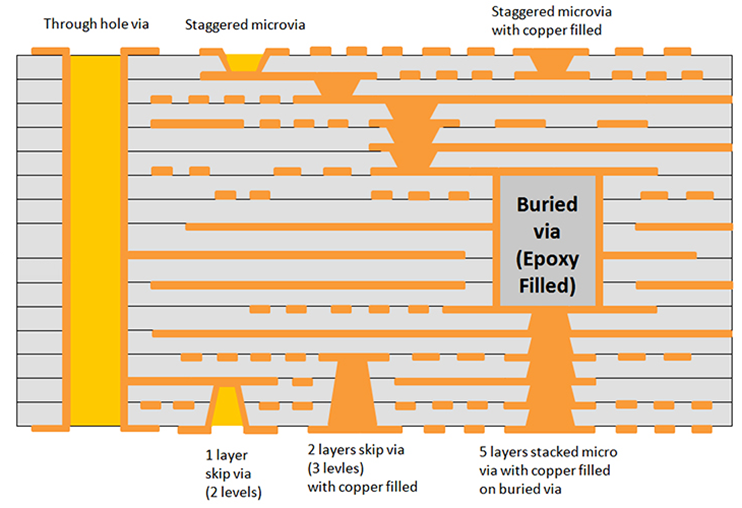
Modern 5G systems require high routing density and minimal signal discontinuity, making microvia structures essential. A leading high frequency PCB manufacturer integrates laser-drilled microvias, VIPPO (via-in-pad plated over), and blind and buried vias.
Engineering Challenges: Thermomechanical stress (CTE mismatch), copper filling uniformity, and reliability under thermal cycling. Proper microvia design and fabrication reduces parasitic inductance, signal reflection, and routing congestion. These technologies are especially critical in phased array radar and 5G antenna boards, where signal path integrity must be preserved at GHz frequencies.
Low-Loss Signal Transmission in Rogers PCB Design
Signal loss is one of the most critical parameters in high frequency PCB manufacturing. Key contributors include dielectric loss (Df), conductor loss (copper roughness), and radiation loss. Using Rogers 5880 PCB, designers can achieve Df as low as 0.0009–0.0018 and stable performance at mmWave frequencies.
A professional Rogers PCB manufacturer ensures smooth copper foil selection, controlled lamination processes, and precision etching. This directly translates into lower insertion loss and improved system efficiency in 5G base stations.
Thermal Management and Reliability in High Frequency PCB Manufacturer Processes
5G base stations operate under high power density, making thermal management critical. A capable high frequency PCB manufacturer addresses heat dissipation through copper planes and vias, material stability under temperature cycling, and delamination resistance.
Reliability Testing Includes: Thermal cycling (1000+ cycles), CAF resistance evaluation, and moisture absorption testing. In Rogers PCB manufacturing, improper lamination or mismatched materials can lead to warpage, delamination, and performance drift. Engineering-driven process control ensures long-term stability.
Manufacturing Process Control: From Rogers PCB Fabrication to Mass Production
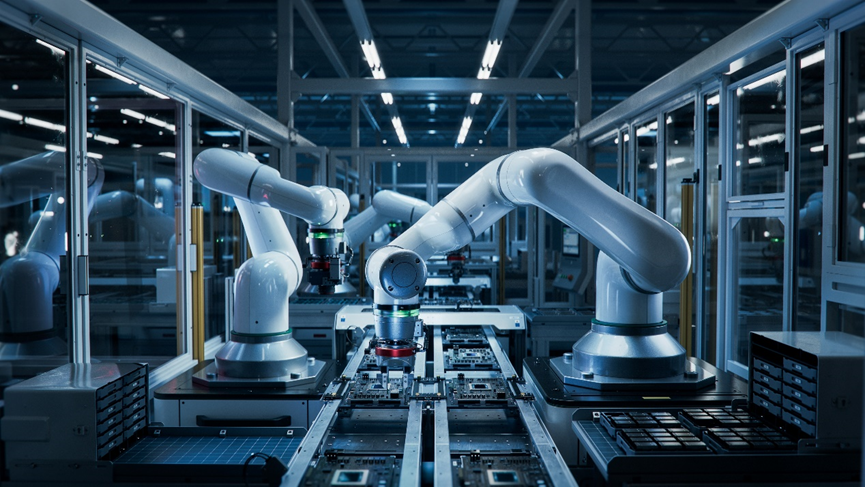
A true high frequency circuit board manufacturer must ensure consistency between prototype and volume production. Key process controls include pre-production engineering review, AOI and X-ray inspection, electrical testing (flying probe / ICT), and controlled lamination cycles.
For Rogers PCB fabrication, additional attention is required for resin flow control, layer alignment, and hybrid stackup bonding. This ensures repeatability, yield stability, and predictable RF performance.
High Frequency PCB Manufacturer Solutions for 5G Base Stations
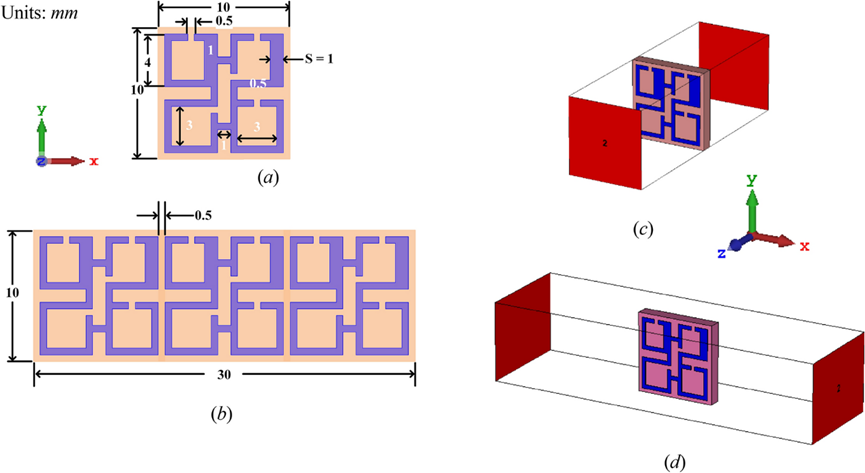
Applications of high frequency PCB manufacturing include Massive MIMO antenna arrays, RF front-end modules, Beamforming networks, and Power amplifier systems. Each application requires precise impedance control, low insertion loss, and high reliability under environmental stress. A reliable Rogers PCB manufacturer ensures that these requirements are met consistently.
Engineering Capability: What Defines a True High Frequency PCB Manufacturer
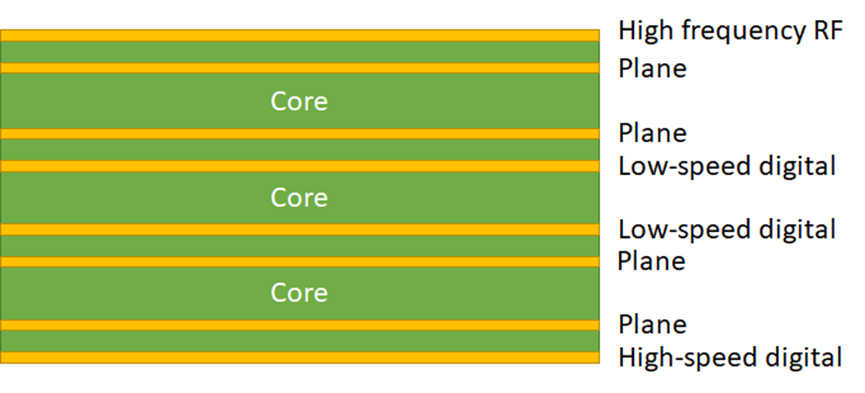
Not all PCB factories can support high frequency PCB manufacturing. Key differentiators include deep understanding of RF physics and materials science, experience with Rogers PCB and hybrid stackups, advanced microvia fabrication capability, and strong process control and quality systems. A true engineering-driven high frequency circuit board manufacturer bridges the gap between design intent and manufacturability.
FAQ: High Frequency PCB Manufacturer & Rogers PCB Engineering Insights
1. What defines a high frequency PCB manufacturer? A high frequency PCB manufacturer specializes in RF materials, impedance control, and low-loss signal transmission for GHz and mmWave applications.
2. Why use Rogers PCB instead of FR4? Rogers PCB materials provide stable Dk and low Df, reducing signal loss and improving RF performance in high-frequency designs.
3. What is the difference between Rogers 4003 PCB and Rogers 5880 PCB? Rogers 4003 PCB offers balanced cost and performance, while Rogers 5880 PCB provides ultra-low loss for mmWave systems.
4. How important is impedance control in RF PCB manufacturing? Critical—poor impedance control leads to reflection, signal loss, and degraded system performance.
5. What are microvias in high frequency PCB design? Microvias are laser-drilled vias used in HDI structures to reduce parasitics and improve signal integrity.
6. How does copper roughness affect RF performance? Higher roughness increases conductor loss, reducing signal efficiency at high frequencies.
7. What testing methods are used in high frequency PCB manufacturing? TDR, VNA measurements, AOI, X-ray inspection, and electrical testing ensure performance and reliability.
8. What are common failure risks in Rogers PCB fabrication? Delamination, CAF, impedance drift, and thermal mismatch issues.
9. Can Rogers PCB be combined with FR4? Yes, hybrid stackups are common but require precise lamination control.
10. What industries require high frequency PCB manufacturers? 5G telecom, aerospace, automotive radar, satellite communication, and defense systems.
11. How does Df impact signal integrity? Lower Df reduces dielectric loss, improving signal transmission efficiency.
12. What is VIPPO in RF PCB manufacturing? Via-in-pad plated over, used to improve routing density and signal integrity.
13. How to ensure reliability in high frequency PCB production? Through material control, process stability, and rigorous testing.
14. What is insertion loss in RF PCB? The loss of signal power as it travels through the PCB transmission line.
15. Why is thermal management critical in 5G PCBs? High power density requires efficient heat dissipation to maintain performance and reliability.
Conclusion: Partner with an Engineering-Driven High Frequency PCB Manufacturer
In the era of 5G and beyond, selecting the right high frequency PCB manufacturer is not a procurement decision—it is a system performance decision. From Rogers PCB material selection to microvia fabrication, impedance control, and reliability engineering, every detail impacts the final product.
📩 Get Engineering Support for Your Next RF Project
If you're working on 5G base stations, RF modules, mmWave systems, or high-speed communication hardware: 👉 Connect with an expert high frequency circuit board manufacturer. ✔ Get free design review. ✔ Request Rogers PCB samples. ✔ Optimize stackup and material selection. ✔ Ensure manufacturability and long-term reliability. We don’t just build PCBs—we engineer performance from material to signal.