
Understanding PCB BOMs: The Ultimate Guide for High-Precision PCBA
1. What is a PCB BOM? — The Backbone of High-Precision PCBA
A PCB Bill of Materials (BOM) is the structured dataset that defines every component required to manufacture a Printed Circuit Board Assembly (PCBA). In high-precision PCB assembly, the BOM is not just a list—it is a data-driven engineering control document that directly impacts product reliability, manufacturability, and cost.
A complete PCB BOM typically includes:
- Manufacturer Part Number (MPN)
- Component value (resistance, capacitance, etc.)
- Package type (0402, QFN, BGA, etc.)
- Quantity per designator
- Approved manufacturer/vendor
- Electrical tolerance and rating
- Lifecycle status (Active, NRND, EOL)
In advanced PCB assembly environments, BOM accuracy determines:
✔ Yield rate in SMT lines
✔ Signal integrity performance
✔ Supply chain stability
✔ Production scalability
For ODM factories providing one-stop service, BOM is the central bridge between design, procurement, manufacturing, and testing.
2. Engineering Structure of a High-Quality PCB BOM
A professional BOM is structured to support engineering validation and manufacturing execution simultaneously.
Key BOM Columns (Engineer-Level Requirements)
Field Engineering Purpose
MPN Ensures exact component sourcing
Value Defines electrical behavior
Tolerance Controls SI/PI precision
Package Determines assembly feasibility
Quantity Ensures production accuracy
Alternate Part Risk mitigation
Advanced BOM Requirements
- Multi-sourcing compatibility
- Lifecycle tracking (avoid EOL risk)
- Parametric equivalence validation
- Thermal and electrical derating
For high-frequency or high-speed boards, even minor BOM deviations can result in:
- Impedance mismatch
- Increased insertion loss
- Timing instability
3. Component Selection for High-Precision PCBA
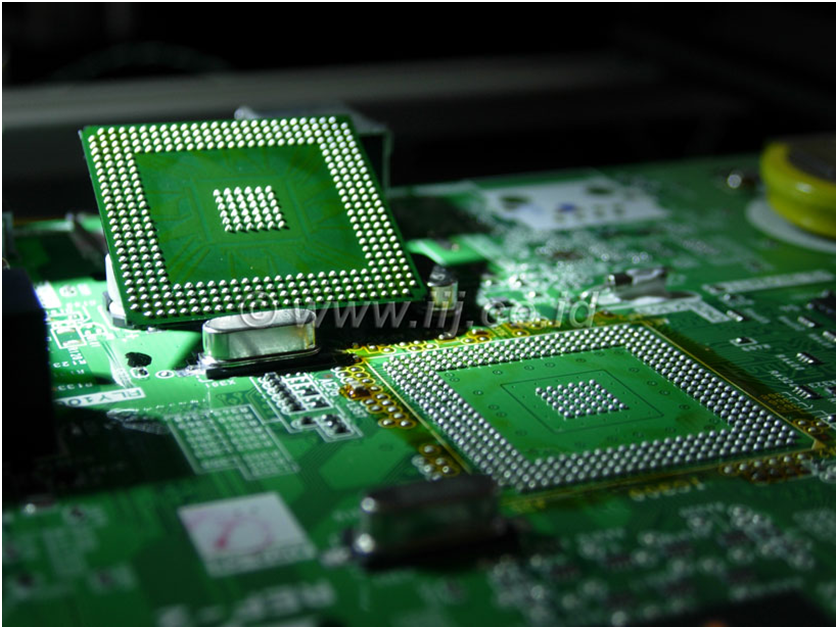
Component selection is the most critical BOM-driven engineering step.
Electrical Considerations
- Capacitors: ESR, ESL → affect PDN and SI
- Resistors: tolerance impacts signal accuracy
- ICs: switching speed, jitter, noise
RF & High-Speed Design Impact
- Low-loss capacitors for RF filtering
- High-speed IC packaging (BGA vs QFN)
- Connector impedance matching
Thermal Considerations
- Power devices → heat dissipation
- Package thermal resistance (θJA)
- Copper plane design
ODM factories providing one-stop PCB assembly services must validate all component selections against:
- SI/PI simulation
- Thermal simulation
- Assembly compatibility
4. BOM & PCB Assembly (SMT/DIP) Integration
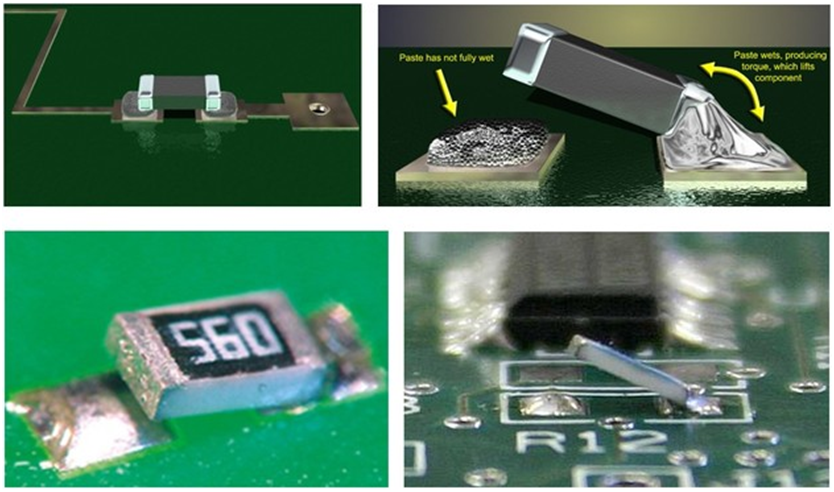
BOM directly drives the PCB assembly process.
SMT (Surface Mount Technology)
- Component size affects placement accuracy
- Pitch determines solder paste stencil design
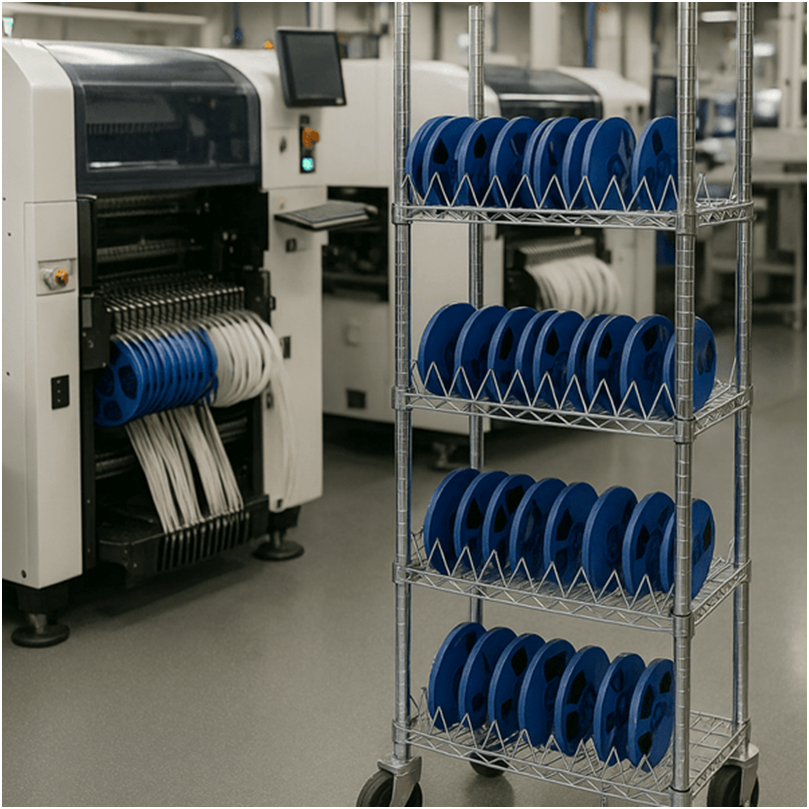
- BOM accuracy ensures feeder setup efficiency
DIP (Through-Hole Assembly)
- Connector, transformer, large components
- Requires wave soldering or manual insertion
Assembly Risks from Poor BOM
- Wrong package → placement failure
- Missing polarity → rework
- Incorrect MPN → electrical failure
High-end ODM factories implement:
- BOM-to-CAD validation
- DFM (Design for Manufacturing) checks
- Automated feeder mapping
5. Supply Chain Engineering & One-Stop Service Advantage
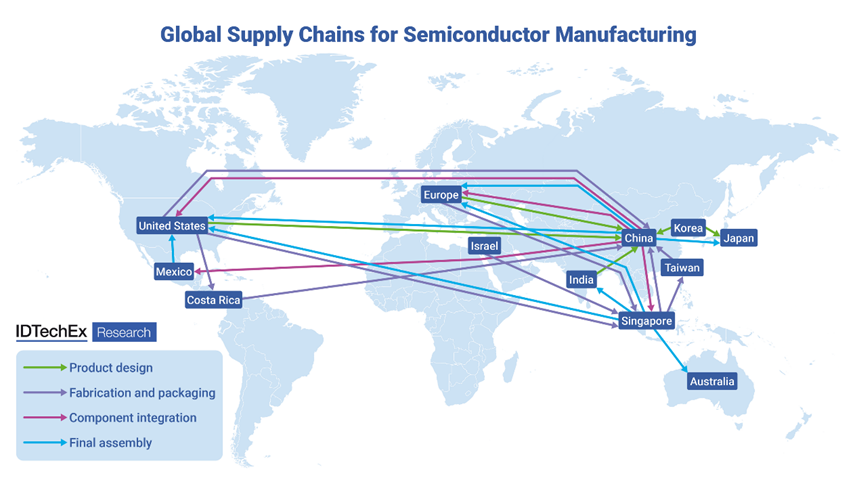
In modern electronics manufacturing, BOM is a supply chain control tool.
Challenges
- Component shortages
- Price volatility
- Counterfeit risk
- Long lead times
One-Stop Service Advantage
ODM factories offering PCB + PCBA + component sourcing provide:
- Centralized procurement
- Real-time stock monitoring
- Global supplier network
- Risk mitigation via alternates
This significantly reduces:
✔ Lead time
✔ Procurement complexity
✔ Cost fluctuations
6. BOM & Signal Integrity (SI) / Power Integrity (PI)
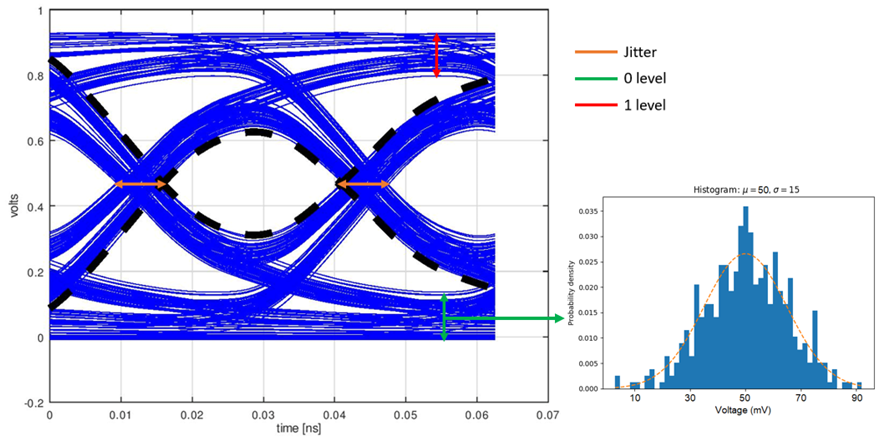
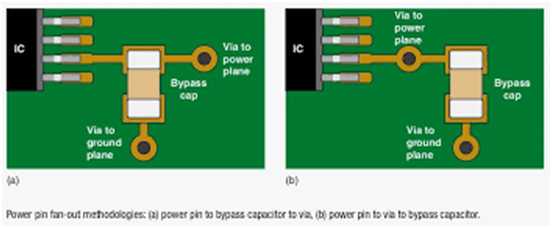
BOM directly impacts SI/PI performance.
SI Impact
- Capacitor selection affects high-frequency noise
- Connector choice impacts impedance
- IC package determines signal rise time
PI Impact
- Decoupling network design
- Capacitor ESR/ESL optimization
- Voltage stability
Improper BOM selection leads to:
- Eye diagram collapse
- Jitter increase
- EMI issues
7. Manufacturing Processes & Quality Control
High-precision PCBA requires strict quality control.
Inspection Methods
- AOI (Automated Optical Inspection)
- X-ray inspection (BGA/QFN)
- ICT (In-Circuit Testing)
- Functional testing
Process Control
- Solder paste thickness
- Reflow temperature profile
- Component placement accuracy
ODM factories ensure consistency through:
- Standardized BOM validation
- MES traceability systems
8. Reliability Engineering & Lifecycle Management
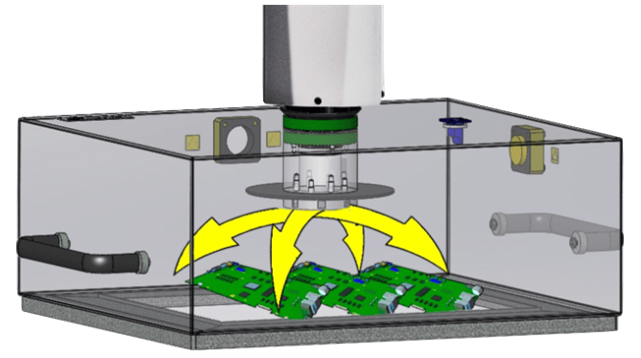
BOM decisions affect long-term reliability.
Key Risks
- Component aging
- Thermal stress
- CAF (Conductive Anodic Filament)
Testing
- Thermal cycling
- HAST
- Burn-in
Lifecycle-aware BOM ensures:
✔ Long product lifespan
✔ Reduced field failures
✔ Stable production
9. ODM Factory Role in High-Precision PCBA
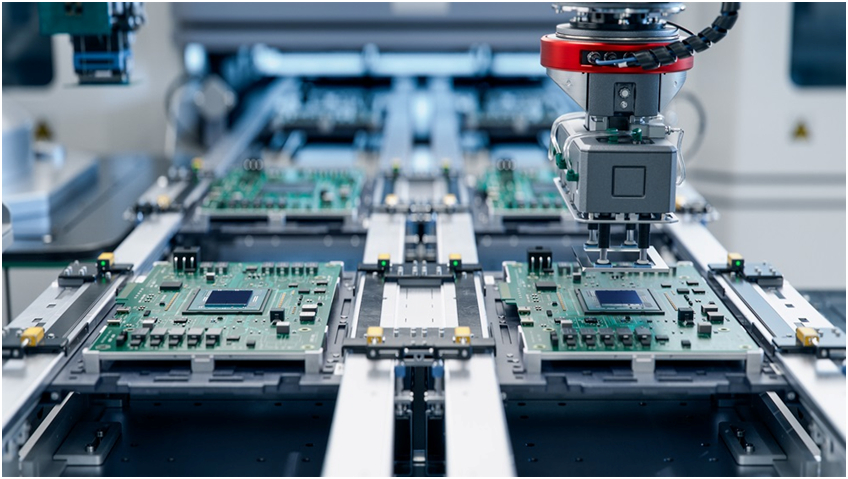
An ODM factory integrates:
- Design support
- BOM optimization
- PCB manufacturing
- PCB assembly
- Testing & validation
Advantages
- Faster time-to-market
- Reduced cost
- Better engineering support
- End-to-end quality control
ODM + one-stop service is now the dominant model for high-precision electronics manufacturing.
10. Industry Applications of High-Precision PCB BOM
Key Industries
- AI servers / HPC
- Medical electronics
- Aerospace & defense
- UAV systems
- Industrial automation
Each requires:
- Strict BOM control
- High reliability
- SI/PI optimization
11. Conclusion — BOM is the Core of Precision Manufacturing
A PCB BOM is not just a document — it is the foundation of high-precision PCBA engineering.
📣 Partner with Rich Full Joy — your trusted ODM factory for PCB assembly and one-stop service, delivering precision, reliability, and global supply chain excellence.
12. FAQ (Detailed Answers)
1. What is the most critical field in a PCB BOM?
MPN (Manufacturer Part Number) — it ensures correct component sourcing and prevents mismatch.
2. Why is BOM important for PCB assembly?
It directly determines placement accuracy, soldering success, and electrical performance.
3. How does BOM affect signal integrity?
Component selection impacts impedance, noise, and timing behavior.
4. What is a good BOM format?
Structured Excel or ERP-integrated format with full parametric data.
5. How to avoid component shortages?
Use alternate parts and work with ODM factories with strong supply chains.
6. What is lifecycle management in BOM?
Tracking components to avoid EOL or obsolete parts.
7. Why use one-stop PCB assembly service?
It reduces complexity and ensures BOM consistency across processes.
8. What are common BOM mistakes?
Missing MPN, incorrect package, no alternates, unclear quantities.
9. How to validate a BOM?
DFM checks, simulation, procurement verification, sample builds.
10. What industries require high-precision BOM?
AI, aerospace, medical, UAV, and high-speed communications.