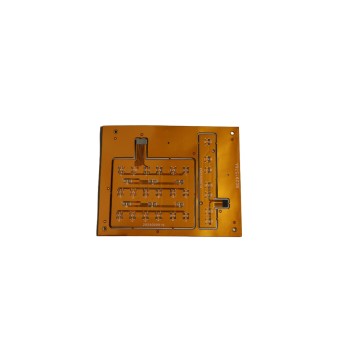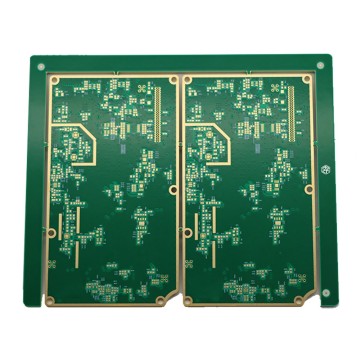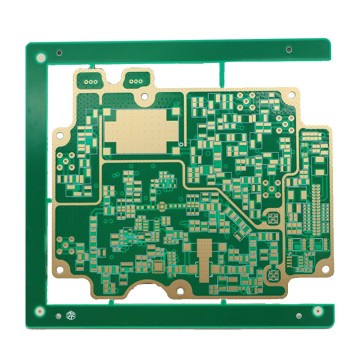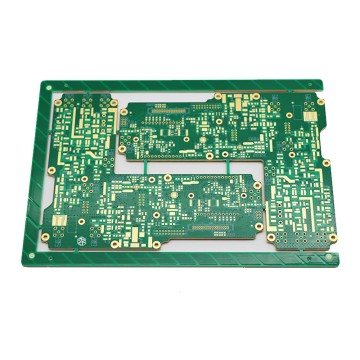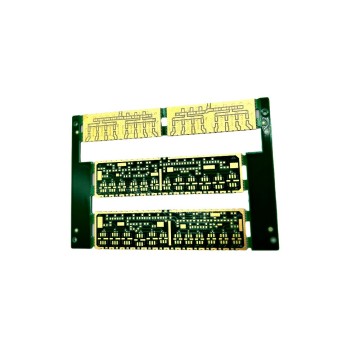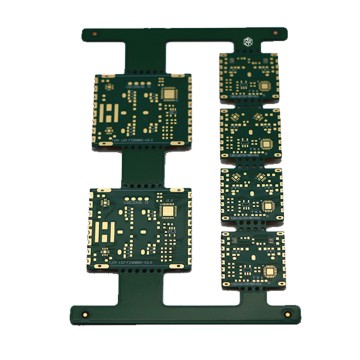

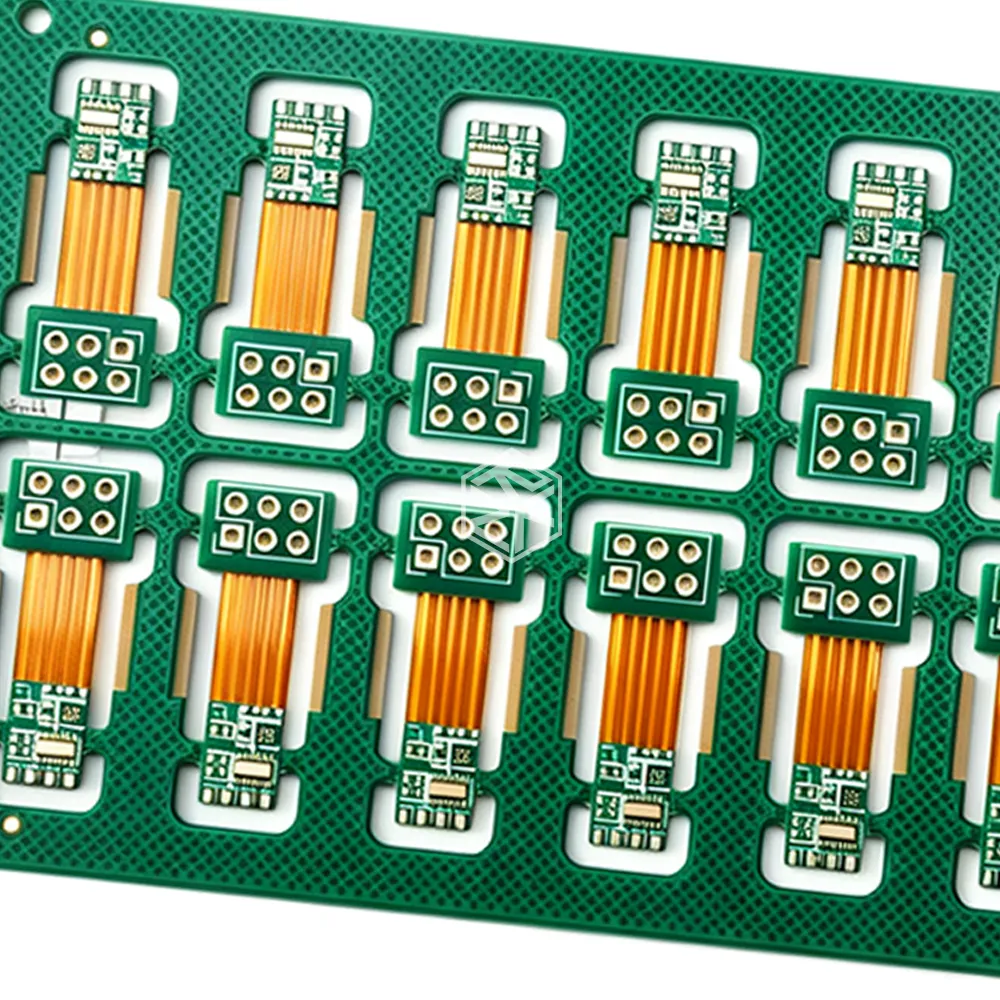
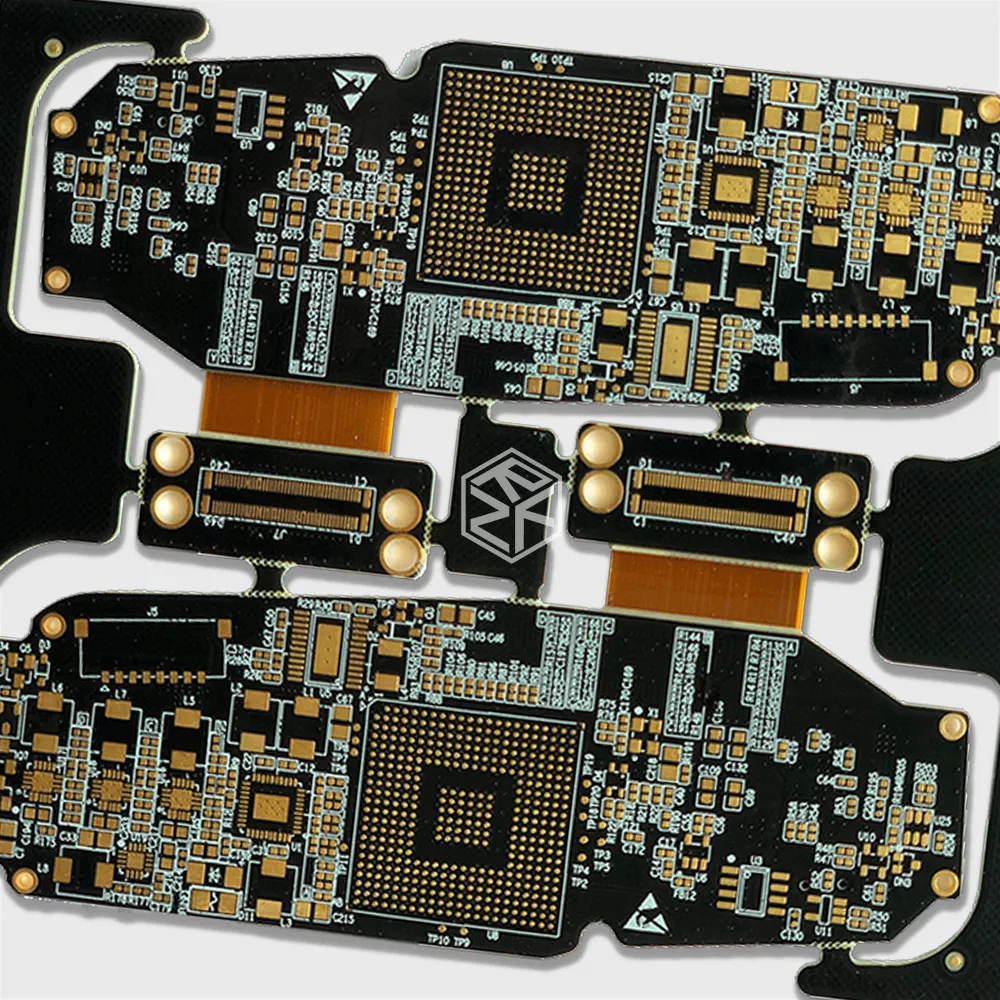
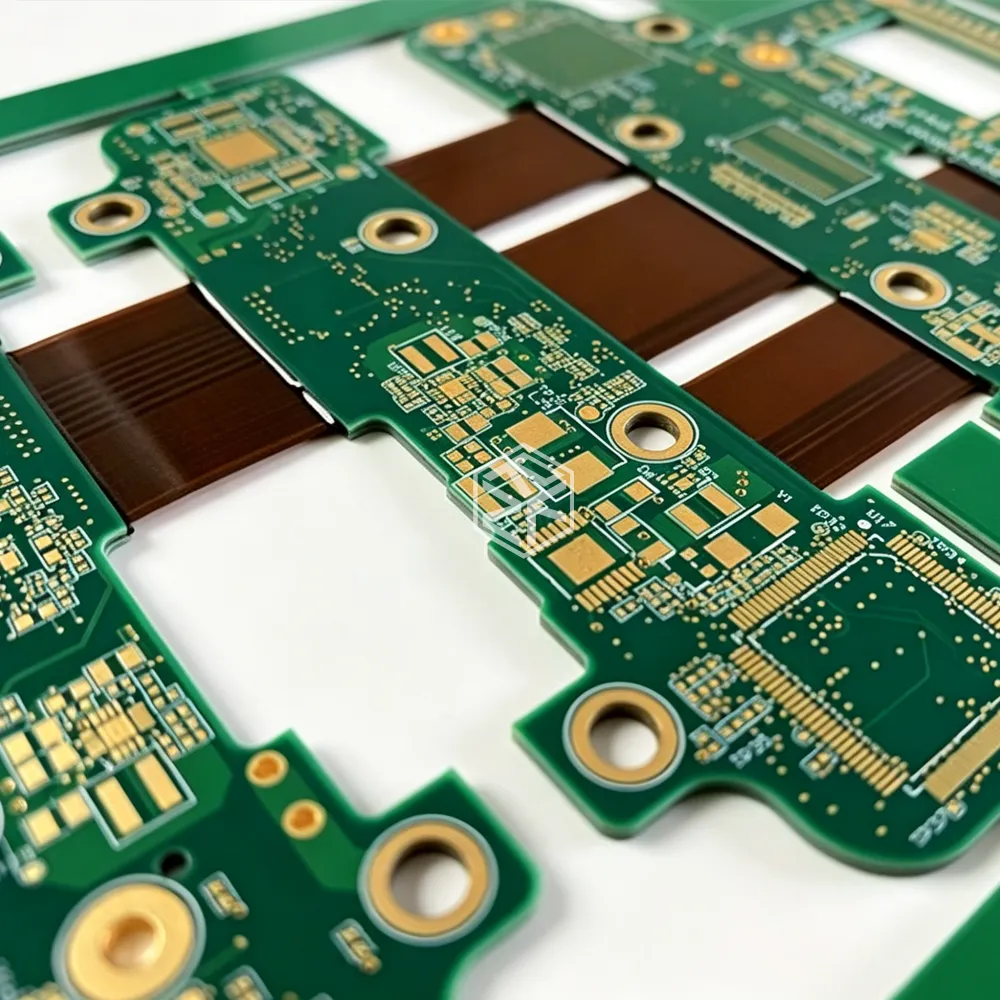
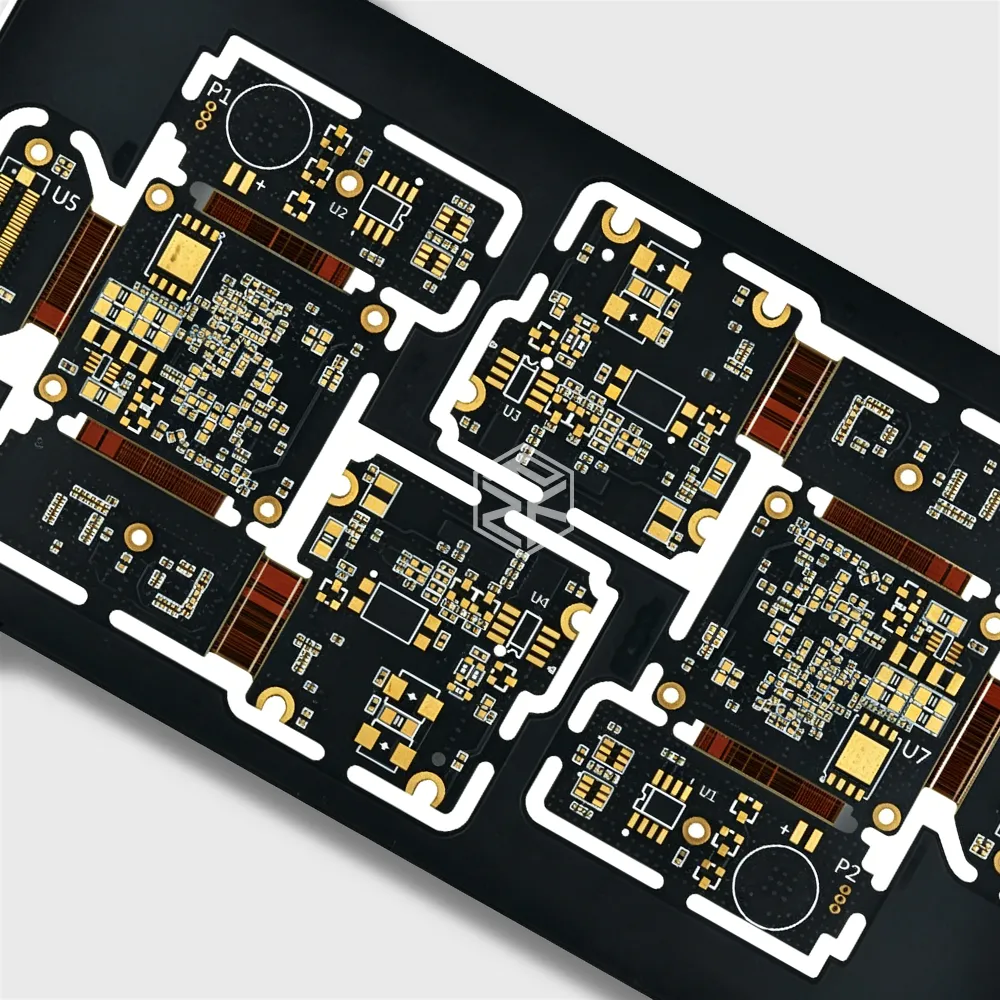
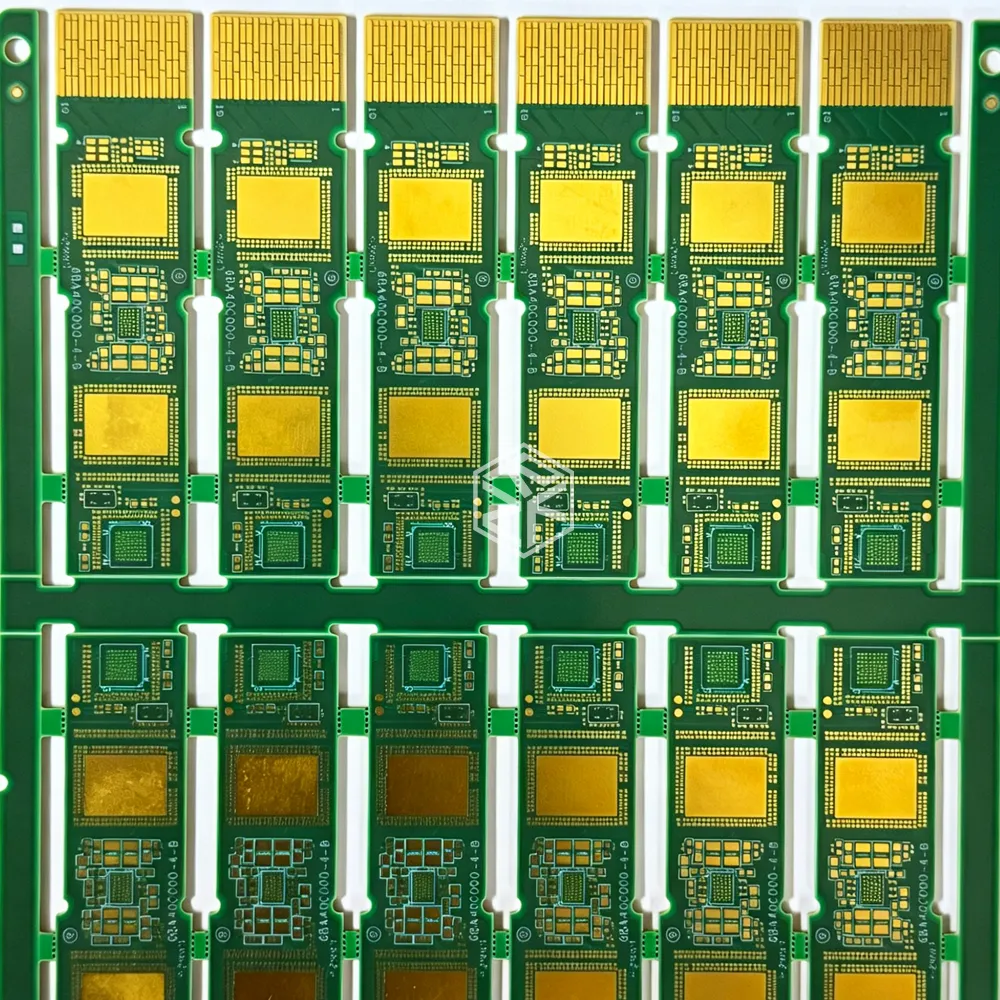
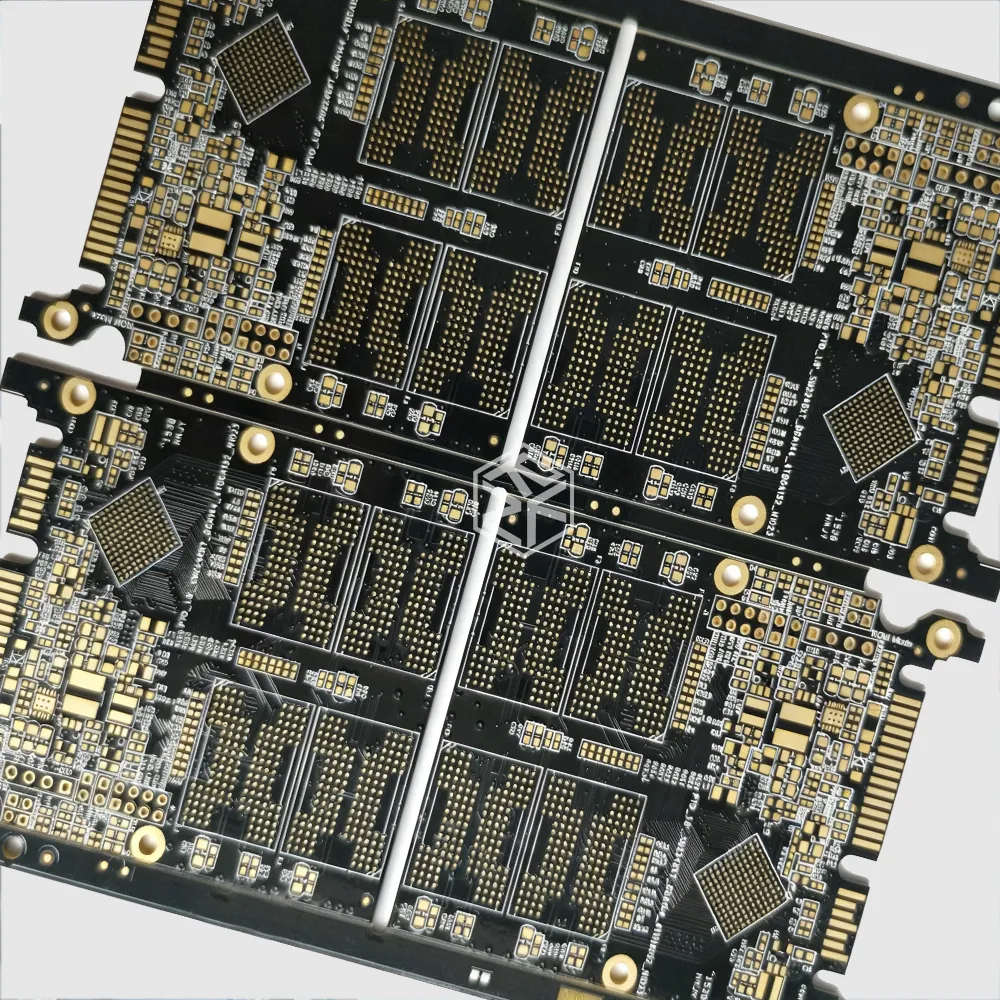
Low-Loss Teflon (PTFE) RF PCB Supplier for Satellite Communications
In satellite communication systems, signal loss is not just a performance issue—it directly impacts link budget, transmission distance, and system reliability. A professional high frequency PCB manufacturer must go beyond standard fabrication and deliver low-loss, phase-stable, and environmentally reliable RF PCB solutions. This is where PTFE PCB (Teflon PCB) technology becomes essential. Compared with traditional materials, PTFE-based laminates offer ultra-low dielectric loss (Df), stable dielectric constant (Dk) across wide frequency ranges, and exceptional performance at microwave and mmWave frequencies. A true RF PCB supplier for satellite applications must combine material science expertise, precision manufacturing, and long-term reliability engineering to ensure consistent performance in extreme environments.
PTFE PCB Materials: The Core of Low-Loss RF Performance in Satellite Systems
The foundation of any high frequency circuit board manufacturer lies in its understanding of materials. PTFE PCB materials, often referred to as Teflon PCB, are widely used in satellite communications due to their unmatched electrical characteristics.
Key Material Advantages: Dielectric constant (Dk): ~2.1–2.6 (stable across frequency), Loss tangent (Df): as low as 0.0009, Thermal stability: minimal variation under temperature extremes, and low moisture absorption: critical for space environments. Compared to Rogers PCB, PTFE materials provide even lower loss, making them ideal for satellite transceivers, high-frequency filters and duplexers, and phased array antennas. A qualified high frequency PCB manufacturer ensures not only correct material selection but also consistent sourcing and process compatibility, which directly affects system-level performance.
Controlled Impedance and Signal Integrity in PTFE RF PCB Manufacturing
In satellite systems, signal integrity must be preserved over long transmission paths. A specialized high frequency circuit board manufacturer must ensure precise impedance control in PTFE-based designs.
Engineering Requirements: Impedance tolerance within ±5% or tighter, accurate dielectric thickness control, and stable copper surface roughness. Challenges with PTFE PCB fabrication include soft material behavior during processing, dimensional stability during lamination, and etching precision. To address these, advanced manufacturers implement TDR validation and impedance coupons, controlled lamination pressure profiles, and fine-line etching technology. These controls ensure minimal signal reflection and maximum power transfer efficiency, which is critical for satellite RF systems.
Microvia and HDI Structures in High Frequency PCB Manufacturing for Space Applications
As satellite payloads become more compact, high-density interconnect (HDI) technologies are increasingly required. A leading high frequency PCB manufacturer integrates laser-drilled microvia structures, blind and buried vias, and VIPPO (via-in-pad plated over).
Engineering Benefits: Reduced parasitic inductance, improved signal routing efficiency, and enhanced electrical performance. However, microvia processing on PTFE PCB is significantly more complex than on FR4 due to material softness, adhesion challenges, and copper filling uniformity. Advanced process control ensures microvia reliability under thermal cycling and vibration, which is essential for satellite communication systems.
Ultra-Low Loss Transmission: PTFE PCB vs Rogers PCB in Satellite RF Systems
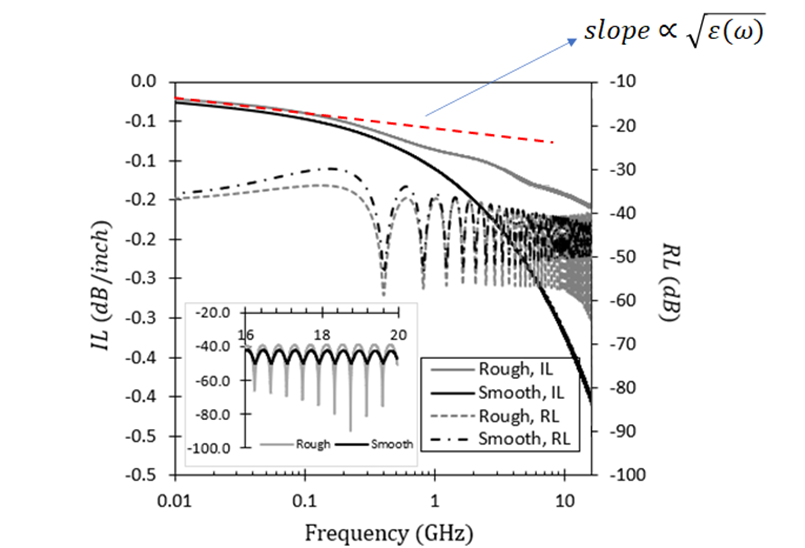
One of the key reasons PTFE PCB is used in satellite applications is its ultra-low insertion loss. For high-frequency satellite links, lower loss leads to longer transmission distance, better phase stability improves signal accuracy, and reduced power consumption is achieved. A professional Rogers PCB manufacturer may support many RF applications, but PTFE PCB is often the preferred choice for extreme low-loss requirements.
Parameter comparison: PTFE PCB offers Df ~0.0009–0.0015 and excellent Dk stability with mmWave capability, while Rogers 4003 PCB provides Df ~0.0027 and good Dk stability for sub-6 GHz to mid-range frequencies.
Thermal Stability and Reliability of PTFE PCB in Space Environments
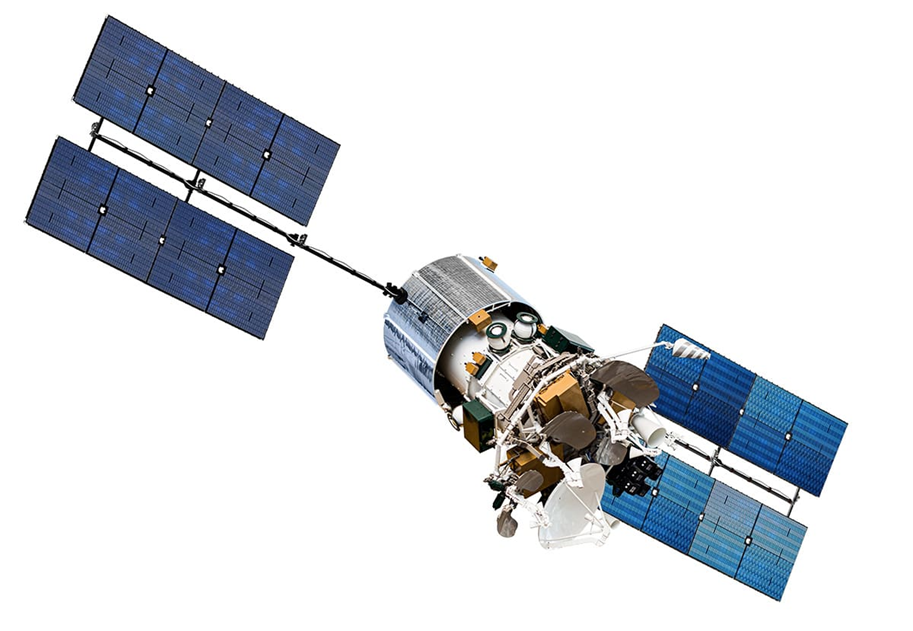
Satellite systems operate in extreme environments, including wide temperature fluctuations, vacuum conditions, and high radiation exposure. A reliable high frequency PCB manufacturer must ensure stable dielectric performance across temperature ranges, resistance to thermal expansion mismatch, and long-term reliability under cycling conditions.
Reliability Testing includes thermal cycling (−55°C to +125°C), CAF resistance testing, and mechanical vibration testing. PTFE PCB materials, when properly processed, offer exceptional environmental stability, making them ideal for mission-critical applications.
Manufacturing Challenges and Process Control in PTFE RF PCB Fabrication
Manufacturing PTFE PCB is significantly more complex than standard PCB fabrication. Key challenges include low rigidity of PTFE materials, difficulty in hole wall metallization, and lamination bonding issues.
A professional high frequency circuit board manufacturer addresses these through specialized drilling parameters, plasma desmear processes, and controlled lamination cycles. In addition, strict quality control systems such as AOI, X-ray inspection, and electrical testing ensure repeatability and production consistency.
Applications: PTFE RF PCB Supplier Solutions for Satellite Communication Systems
Applications of PTFE RF PCB manufacturing include satellite transceivers, phased array antennas, RF filters and multiplexers, and high-frequency signal processing modules. Each application requires ultra-low loss, precise impedance control, and high reliability. A trusted RF PCB supplier ensures these requirements are met consistently across production cycles.
Engineering Strength: What Defines a High-End PTFE RF PCB Supplier
A true high frequency PCB manufacturer is defined by its engineering depth. Key Capabilities include PTFE material processing expertise, advanced microvia and HDI capability, RF simulation and validation support, and full-process quality control. This ensures that every Teflon PCB produced meets the strict electrical and mechanical requirements of satellite systems.
FAQ: High Frequency PCB Manufacturer & PTFE RF PCB for Satellite Communications
1. Why is PTFE PCB used in satellite communications? PTFE PCB offers ultra-low dielectric loss and stable Dk, making it ideal for high-frequency signal transmission in satellite systems.
2. What is the difference between PTFE PCB and Rogers PCB? PTFE PCB provides lower loss and better performance at mmWave frequencies, while Rogers PCB offers a balance between cost and performance.
3. What challenges exist in PTFE PCB manufacturing? Challenges include material softness, drilling precision, and metallization, requiring advanced process control.
4. How does PTFE PCB improve signal integrity? Its low Df reduces signal attenuation, ensuring high transmission efficiency.
5. What industries use PTFE RF PCB? Satellite communication, aerospace, defense, and microwave systems.
6. What is the typical impedance tolerance in PTFE PCB? ±5% or tighter, depending on design requirements.
7. Are microvias reliable in PTFE PCB? Yes, with proper fabrication techniques such as laser drilling and controlled plating.
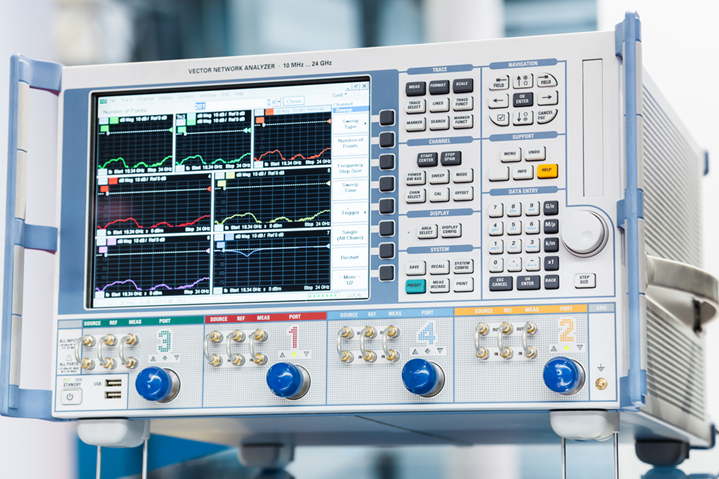
8. What testing methods are used? TDR, VNA, thermal cycling, AOI, and X-ray inspection.
9. How does temperature affect PTFE PCB performance? PTFE materials maintain stable electrical properties across wide temperature ranges.
10. Can PTFE PCB be used in mmWave applications? Yes, it is one of the best materials for mmWave RF designs.
11. What is insertion loss in RF PCB? It is the signal power loss as it travels through the PCB.
12. What is VIPPO technology? Via-in-pad plated over, used to enhance routing density and signal performance.
13. How to ensure reliability in satellite PCB? Through material control, process stability, and rigorous environmental testing.
Conclusion: Partner with a Proven Low-Loss PTFE RF PCB Supplier
In satellite communication systems, performance margins are extremely tight. Choosing the right high frequency PCB manufacturer ensures low-loss signal transmission, stable electrical performance, and long-term reliability. From PTFE material selection to precision RF PCB fabrication, every step requires engineering expertise.
📩 Get Expert PTFE RF PCB Solutions Today
If your project involves satellite communication systems, RF and microwave modules, or mmWave applications: 👉 Work with an expert high frequency circuit board manufacturer. ✔ Free design review. ✔ PTFE PCB material consultation. ✔ Sample support and fast prototyping. ✔ Reliable mass production capability. Contact us today to optimize your RF performance with engineering-driven PCB solutions.