
IPC-A-610 PCB Assembly Standards: A Comprehensive Guide for Quality Control in Electronics Manufacturing
-
What is IPC-A-610?
IPC-A-610, also known as the Acceptability of Electronic Assemblies’ standard, is a comprehensive guideline published by the IPC (Institute of Printed Circuits). It provides the criteria for the assembly of electronic boards, addressing critical aspects like soldering quality, component placement, and overall assembly. First introduced in 1984, the IPC-A-610 has become the gold standard for PCB assembly quality worldwide, serving as a reference for manufacturers to produce reliable and high-performance electronics.
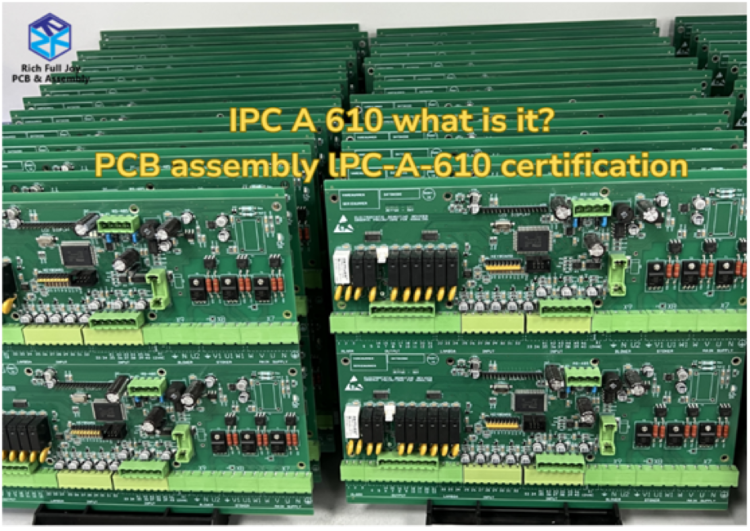
In the realm of electronics, high-speed PCB design plays a pivotal role in ensuring the efficient functioning of various systems, from telecommunications and computing to automotive and IoT devices. High-speed PCBs, designed to handle signals at frequencies above 1 GHz, must meet strict standards of signal integrity, power integrity, and electromagnetic compatibility (EMC) to achieve optimal performance. This guide explores the essential components of high-speed PCB design, highlighting the challenges and strategies for success.
IPC-A-610 Level 1
Level 1 in IPC-A-610 is the most basic level, primarily aimed at consumer electronics where the cost is a significant factor. At this level, the standard requires acceptable visual appearances for solder joints and component placements but permits certain defects that may not affect the functionality of the end product. The focus here is on reducing production costs while still ensuring the assembly meets a minimum quality standard.
IPC-A-610 Level 2
Level 2 is commonly used in industrial, commercial, and military applications where the reliability of the PCB is crucial. It imposes stricter requirements for the components and solder joints, ensuring that the PCB functions optimally in a variety of environments. This level ensures that the finished product will perform as expected in demanding applications and under more rigorous operational conditions.
Typical IPC Level 2 ApplicationsTypical IPC Level 2 Applications
This section explores the industries and sectors where Level 2 standards are most applicable, such as aerospace, automotive, industrial machinery, and telecommunications. These sectors require high reliability, precise component placements, and minimal defects.
IPC-A-610 Level 3
Level 3 standards are applied to the most demanding sectors, such as military, aerospace, and high-performance commercial electronics. This level demands near-perfect assembly, with rigorous inspection and testing processes. Any deviation from the standard could result in failure, so it's essential for products that will be subjected to critical applications, such as medical devices, military equipment, and high-end communication systems.
Typical IPC-A-610 Level 3 Applications
High-performance computing, satellites, medical electronics, and defense systems are key examples where Level 3 standards are critical. These industries require the highest level of reliability and precision.
Why are the differences between IPC-A-610 Level 1, 2, and 3 important?
The key differences between these levels lie in the severity of defects allowed and the requirements for component quality. Level 1 is for basic consumer electronics, where cost is the primary concern. Level 2 is for more reliable products in industrial and commercial applications, while Level 3 ensures that the assembly meets the highest standards for critical systems. Understanding these differences is crucial for manufacturers to align their production processes with the required quality expectations.
Which IPC-A-610 level is most suitable for final PCB assembly?
The choice of level depends on the product's application. For consumer electronics, Level 1 may be sufficient. However, for high-stakes applications in aerospace, defense, and medical industries, IPC-A-610 Level 3 is necessary to ensure the highest quality and performance standards.
Soldering Requirements According to IPC-A-610
Soldering is one of the most critical steps in PCB assembly. The IPC-A-610 standard provides comprehensive guidance on soldering through-hole, surface-mount, and mixed-technology circuit boards. Adhering to these standards ensures that the connections are strong and reliable, which is the foundation of all solder joint inspections and quality control processes.
Solder Joint Formation:
Ensuring uniform and consistent solder joints across the entire application is vital for achieving both electrical and mechanical strength. The solder should fully wet the pad and component lead surfaces to avoid common defects like voids or solder bridges. Correct solder joint formation is the primary goal of IPC-A-610 solder joint inspections, making it key to ensuring reliability.- Solder Joint Fillet:
The edges of a solder joint should be smooth and concave, transitioning naturally from the component lead to the PCB pad. The presence of smooth, uniform fillets is essential for strong mechanical and electrical connections. Any irregularities can be a sign of improper soldering, which could affect the performance and reliability of the final product. - Solder Joint Shape
The ideal solder joint shape depends on the technology used. For through-hole technology, the solder joint should have a barrel shape that completely fills the hole. For surface-mount technology (SMT), the solder should have a slightly concave, flat shape. The proper shape ensures that the joint can handle the necessary electrical currents and mechanical stresses. - Solder Joint Cleanliness
After soldering, cleanliness is crucial. The solder joints and surrounding areas should be free from flux residue, debris, or any other contaminants. These contaminants can cause corrosion or short circuits over time, leading to failure. Ensuring a clean PCB assembly is a core requirement of the IPC-A-610 standard for long-term reliability. -
Solder Joint Strength
Finally, the solder joints must be strong enough to withstand mechanical stress without cracking or breaking. Any visible cracks or fractures could indicate a weak connection, and the assembly would likely fail under operational conditions. IPC-A-610 lists mechanical integrity as a fundamental requirement to guarantee the longevity and performance of the assembly. 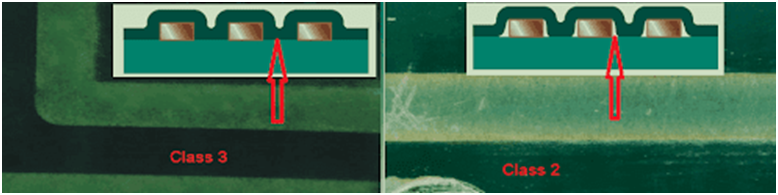
Cleaning Requirements According to IPC-A-610
Correct cleaning and coating of electronic components are essential for their longevity and reliability. The IPC-A-610 standard offers clear guidelines to protect the PCB from environmental risks after assembly. By following these guidelines, the product can maintain its optimal performance, no matter what technology is used.
- PCBA Cleaning Requirements
After soldering, it is crucial to thoroughly clean the components to remove harmful flux residues and other contaminants. The chosen cleaning method should effectively remove the contaminants without damaging the components or the PCB substrate. The cleaning process must meet IPC-A-610 cleanliness requirements to prevent corrosion or electrical failures, ensuring the long-term reliability of the product. - PCBA Coating Requirements:
A conformal coating layer is often applied to protect components from moisture, dust, and chemical exposure. When inspecting conformal coatings, it is essential to ensure that the layer is evenly distributed, without any voids, bubbles, or defects. This protective coating is especially critical for devices operating in harsh or unpredictable environments. - PCBA Coating Thickness:
The thickness of the conformal coating is a critical parameter. It must be sufficient to provide robust protection, but not too thick as to interfere with the performance of the components. Proper thickness should be measured with suitable tools to ensure it stays within the acceptable range for the product's intended application. - PCBA Coating Materials:
The choice of coating material is crucial. It must be compatible with the components and their intended usage environment. If the wrong materials are chosen, it could compromise the product's performance or lead to failure. Always ensure the selected materials support the functionality and reliability of the final product. - Marking and Labeling Requirements
- Accurate labeling and marking are essential for identifying and tracking components and assemblies. For effective quality control and to ensure future traceability, clear and durable labels are required. The IPC-A-610 standard outlines specific guidelines for labeling components.
- Component Marking:
Every component must have clear and permanent identification, ensuring easy identification and tracking. Component labels should be placed in visible locations and be legible for inspection, maintenance, and traceability. Labels may include part numbers, version codes, and other relevant information. - Bare PCB Marking:Bare PCBs should also have clear, permanent identification markers. These marks could include part numbers, version codes, or lot numbers to facilitate traceability. These markings must be visible and accessible for both manufacturing and quality control.
- Final Assembly Identification:
The final assembly should be marked with a unique identifier (e.g., serial numbers) to ensure the product's traceability through its lifecycle. These markings should be placed in a prominent location on the finished product and should be easily readable and permanent. - Position and Orientation Marking:
It is essential that the position and orientation of components are clearly marked on the PCB to avoid assembly errors. The IPC-A-610 standard stresses the importance of these markings to ensure the proper placement and orientation of components during assembly.
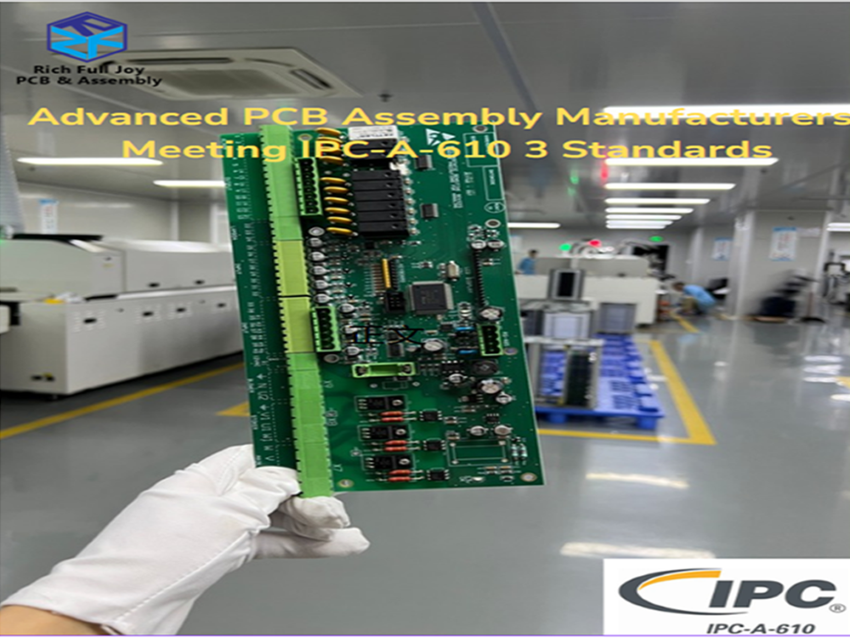
Advanced PCB Assembly Manufacturers Meeting IPC-A-610 Level 2/3 Standards
As a trusted partner in high-end electronics assembly, Richfulljoy strictly adheres to IPC-A-610 Level 2/3 acceptance standards to ensure all PCB assembly processes meet stringent quality and reliability requirements, catering to your demanding application needs. We offer IPC-compliant PCB assembly services, providing complete traceability and quality assurance for your most demanding projects.
Our entire manufacturing process follows IPC standards, meaning our assembly processes are compliant with IPC-A-610 Level 2 and 3 standards, and our PCB manufacturing processes comply with IPC-A-600 standards. We offer full-cycle electronic manufacturing services, including:
- DFM Review: Free design-for-manufacturing checks before production.
- PCB Manufacturing: High-quality PCB production.
- Component Sourcing: Procurement of high-quality, traceable components.
- High-Reliability Assembly: Comprehensive assembly services with a focus on durability and performance.
- Final Testing and Inspection: Ensuring that every product meets the highest standards of quality.
We are ISO 9001, ROHS, REACH, and UL certified, ensuring that our processes comply with international industry standards. From component procurement to final assembly and testing, we provide traceable, high-quality processes that guarantee reliable PCB assembly products.
Additional Frequently Asked Questions about IPC-A-610 PCB Assembly
- Why is IPC-A-610 Level 3 more stringent than Level 2?
The difference between Level 2 and Level 3 is based on the criticality of the product. Level 3 products are life-critical, where any failure could lead to severe consequences. Hence, the standards for solder joints, component alignment, and visual defects are more stringent in Level 3 to ensure the product works perfectly under harsh conditions. - What is the main difference between IPC-A-610 and IPC-A-600?)
IPC-A-600 focuses on the quality standards for bare PCBs, covering aspects like copper traces and coating thickness. In contrast, IPC-A-610 applies to the final assembly, addressing soldering, component placement, and electrical testing. - What is the difference between IPC-A-610 and IPC-J-STD-001?)
IPC-J-STD-001 specifies the materials and processes needed to develop reliable components, while IPC-A-610 serves as a "visual standard" for evaluating the final assembly quality. They complement each other but focus on different aspects of the production process. - How does IPC-A-610 affect the production efficiency of PCB assembly processes?
IPC-A-610 ensures consistency and reliability in the final assembly, reducing defects and rework. By adhering to clear soldering, inspection, and testing standards, manufacturers can streamline their processes and minimize downtime, ultimately improving production efficiency. - How does IPC-A-610 help PCB assemblers reduce rework rates?
By providing detailed guidelines for visual inspection and ensuring proper soldering techniques, IPC-A-610 minimizes defects that often require rework. Following these standards helps identify potential issues early in the process, reducing the likelihood of costly rework and repairs. - Are there specific IPC-A-610 requirements for automated assembly?
Yes, IPC-A-610 includes specific guidelines for automated assembly processes. For example, it addresses issues like solder joint quality and component placement accuracy when using automated equipment, ensuring that automated systems meet the same high-quality standards as manual assembly. - How can IPC-A-610 standards be correctly applied in multilayer PCB assembly?
In multilayer PCB assemblies, the complexity increases with the number of layers and through-hole connections. IPC-A-610 standards ensure that multilayer boards are inspected for proper solder joint formation, component placement, and electrical connectivity, ensuring the boards perform reliably in advanced applications. - What are the IPC-A-610 standards for advanced packaging technologies like BGA?
IPC-A-610 has specific criteria for inspecting solder joints in advanced packaging technologies like Ball Grid Array (BGA) and Chip-on-Board (COB). These include guidelines for visual inspection of hidden solder joints and the use of X-ray inspection to detect potential defects that are not visible to the naked eye. - How can IPC-A-610 improve the quality of high-frequency PCB assemblies?
IPC-A-610 ensures that high-frequency PCB assemblies meet stringent quality requirements by focusing on precise solder joints, minimal signal interference, and robust electrical performance. It provides guidelines for minimizing defects such as solder bridges, which could disrupt signal integrity in high-frequency applications. - How does IPC-A-610 impact thermal management in PCB design?
IPC-A-610 indirectly affects thermal management by ensuring that solder joints and component placements are properly executed. Components that need to dissipate heat effectively must be placed correctly to avoid thermal stress, and IPC-A-610 provides guidelines for maintaining proper solder joint integrity and component alignment to ensure reliable thermal performance. - How does IPC-A-610 affect the implementation of lead-free soldering processes?
IPC-A-610 sets specific criteria for solder joint quality regardless of whether lead-free or lead-based solder is used. It helps manufacturers ensure that lead-free soldering processes meet the same reliability standards, addressing challenges such as higher soldering temperatures and the different thermal properties of lead-free solders. - Does IPC-A-610 provide guidance on functional testing after PCB assembly?
While IPC-A-610 mainly focuses on the visual inspection and quality of solder joints and component placements, it indirectly supports functional testing by ensuring that the assembly process does not introduce faults that would affect the board’s functionality. Manufacturers often implement functional testing in conjunction with IPC-A-610 standards to ensure product reliability. - How should the electrical testing requirements mentioned in IPC-A-610 be handled?
IPC-A-610 highlights the importance of electrical testing to verify that the assembled PCB meets operational specifications. Electrical testing should be conducted at various stages of the assembly process to identify issues such as open circuits or short circuits, ensuring that all functional requirements are met before the final product is shipped.
- Solder Joint Fillet: