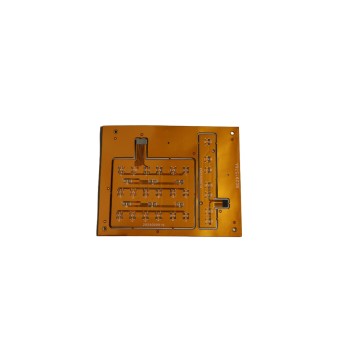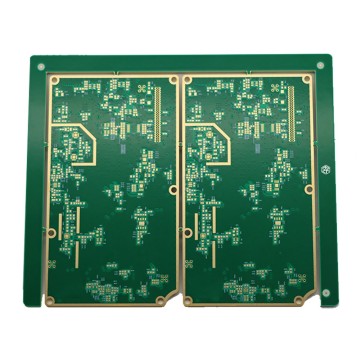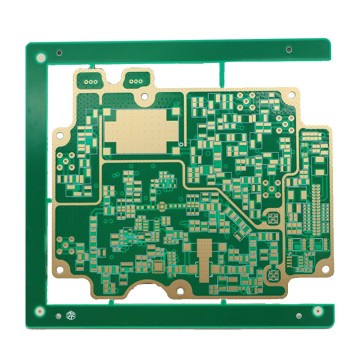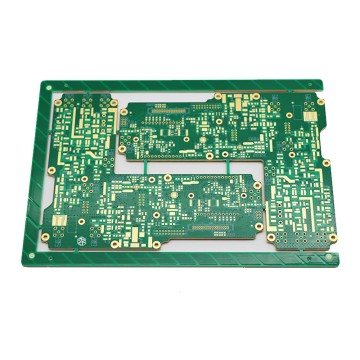

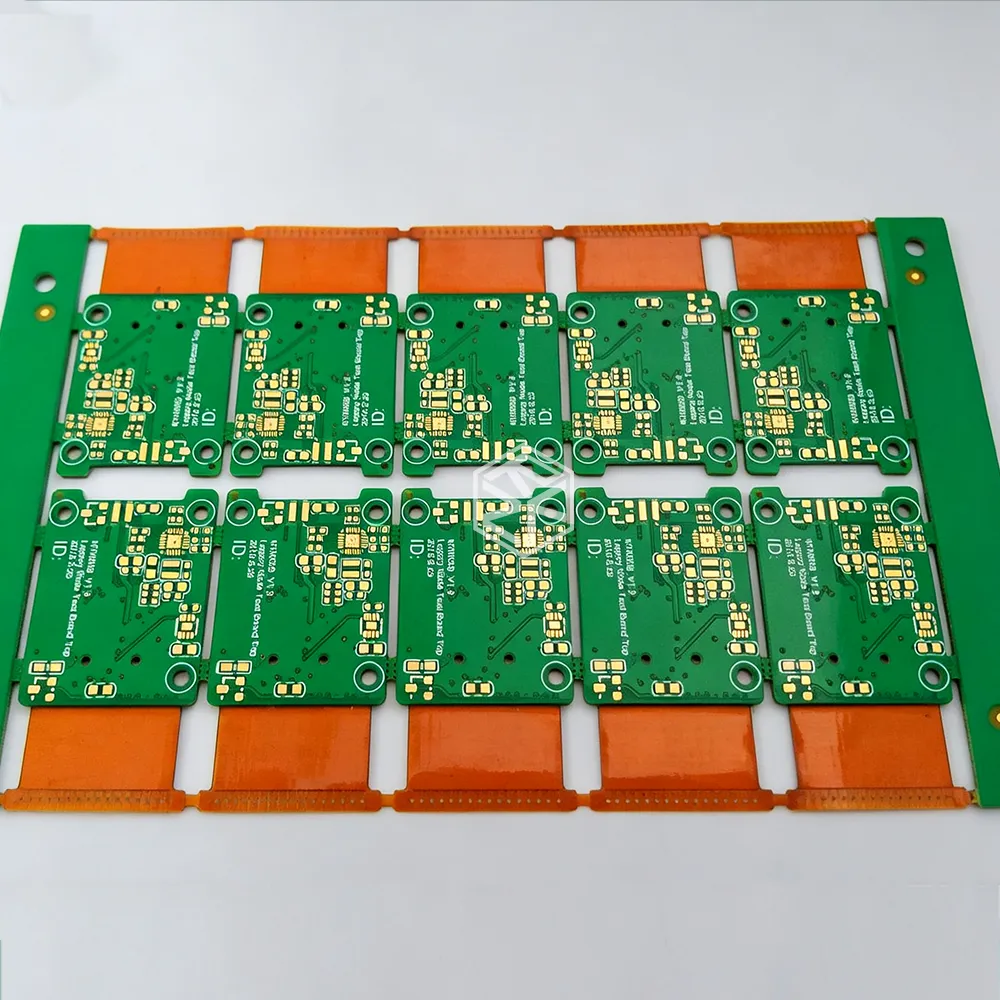
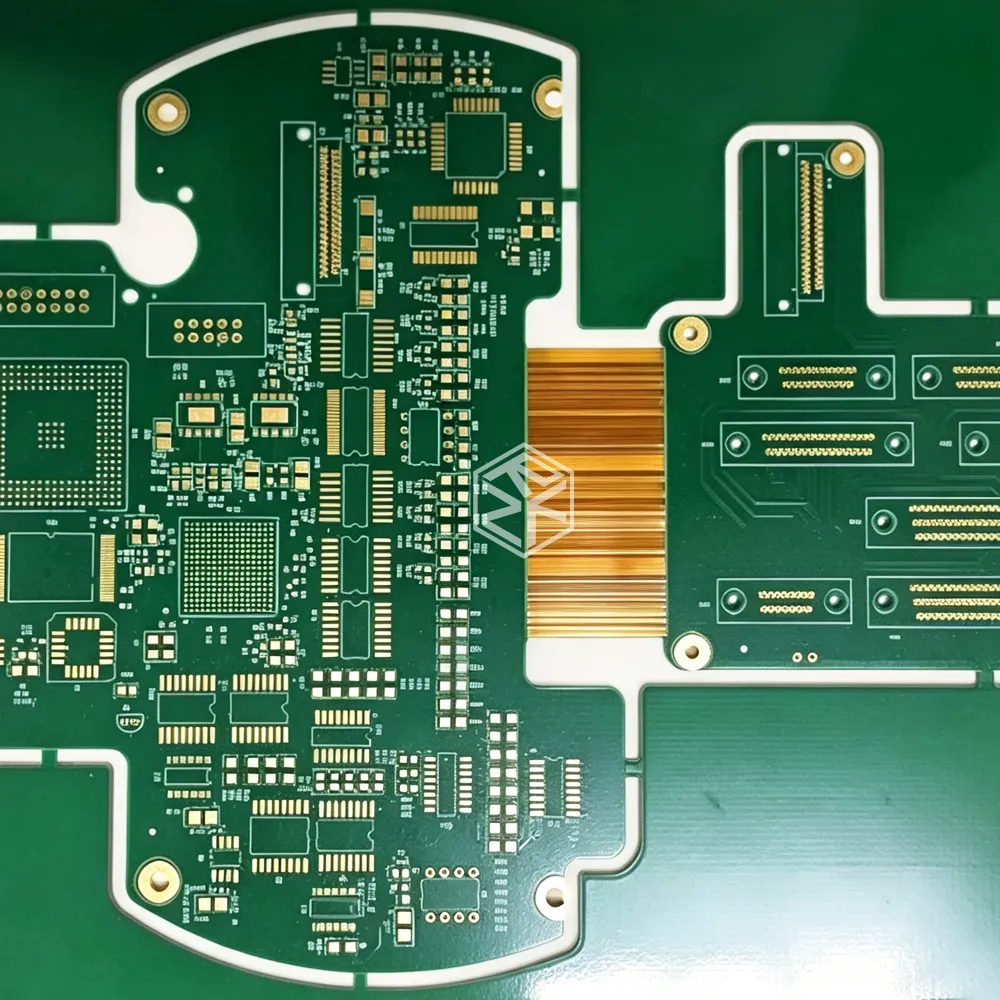
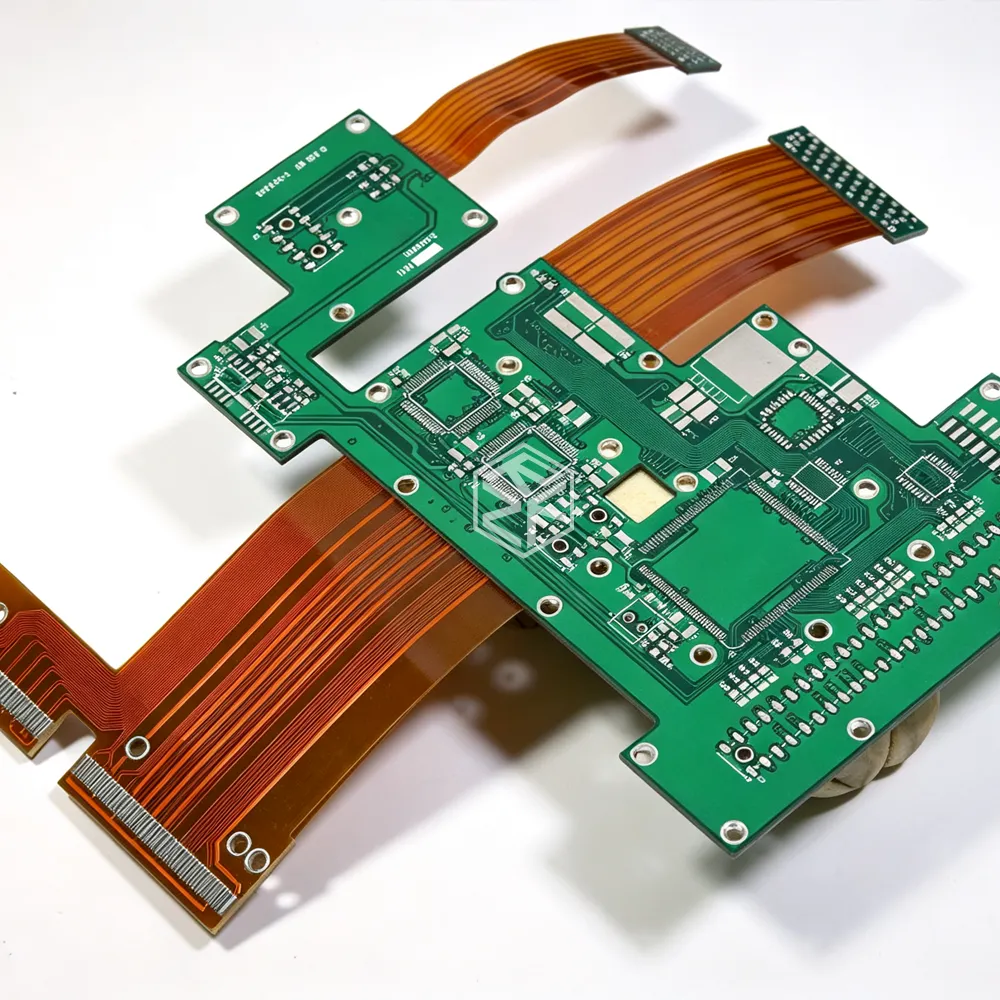
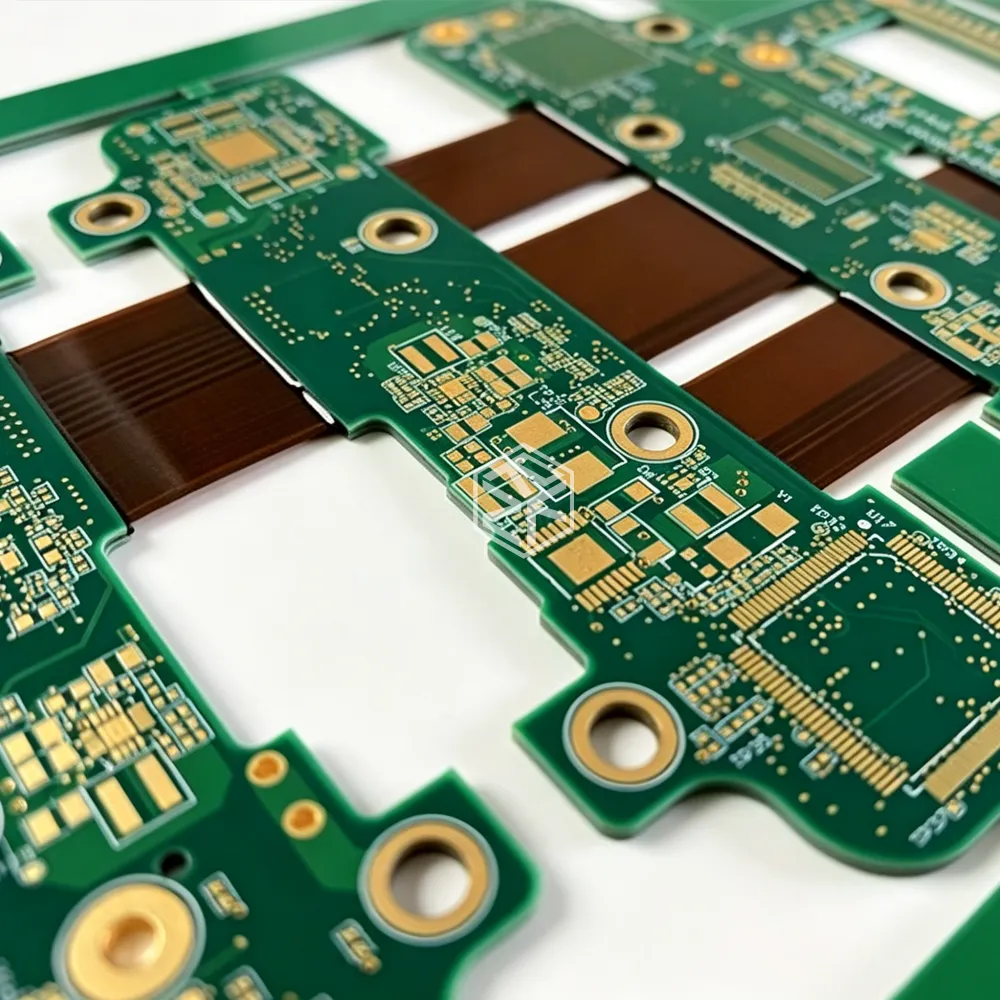
High-Speed PCB Design: Key Strategies for Enhanced Performance & Signal Integrity in Modern Electronics
High-Speed PCB Design: Key Strategies for Enhanced Performance & Signal Integrity in Modern Electronics
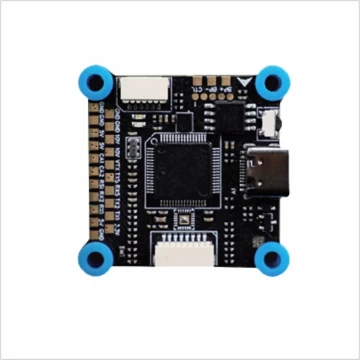
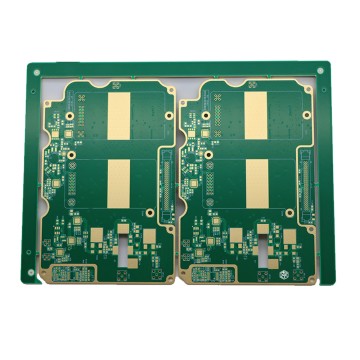
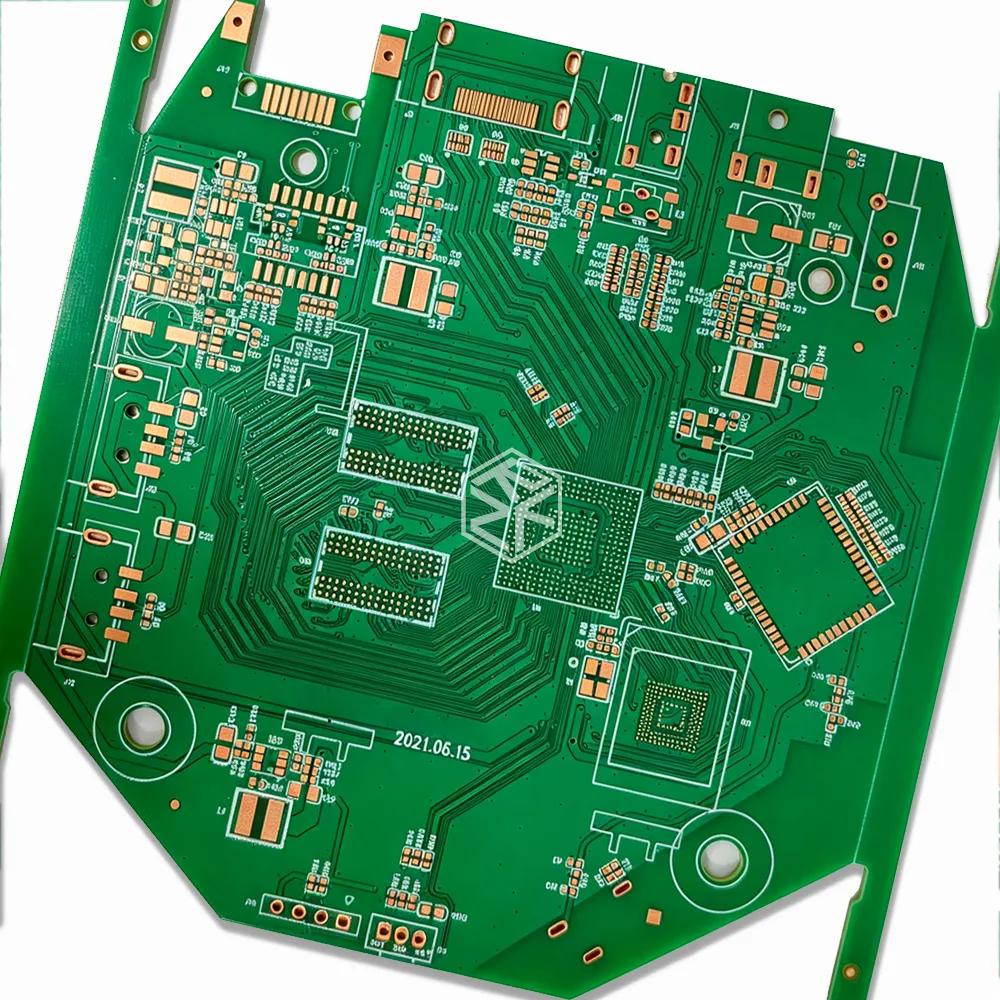
In the realm of electronics, high-speed PCB design plays a pivotal role in ensuring the efficient functioning of various systems, from telecommunications and computing to automotive and IoT devices. High-speed PCBs, designed to handle signals at frequencies above 1 GHz, must meet strict standards of signal integrity, power integrity, and electromagnetic compatibility (EMC) to achieve optimal performance. This guide explores the essential components of high-speed PCB design, highlighting the challenges and strategies for success.
What is High-Speed PCB Design?
High-speed PCB design is the art of creating circuit boards capable of transmitting data at high-frequency speeds These designs primarily focus on digital signals with high-edge rates, which are crucial in today’s fast-paced technology environment. Unlike traditional PCBs, high-speed designs involve a deeper focus on signal integrity, power integrity, and EMC to ensure the reliability of the system even under extreme electrical conditions.
For reference, a circuit board is considered high-speed when it operates with signals that have a rise time (edge rate) below 1 ns. These high-speed signals typically require advanced manufacturing processes to prevent issues like signal loss, distortion, and interference.
Key Considerations in High-Speed PCB Design
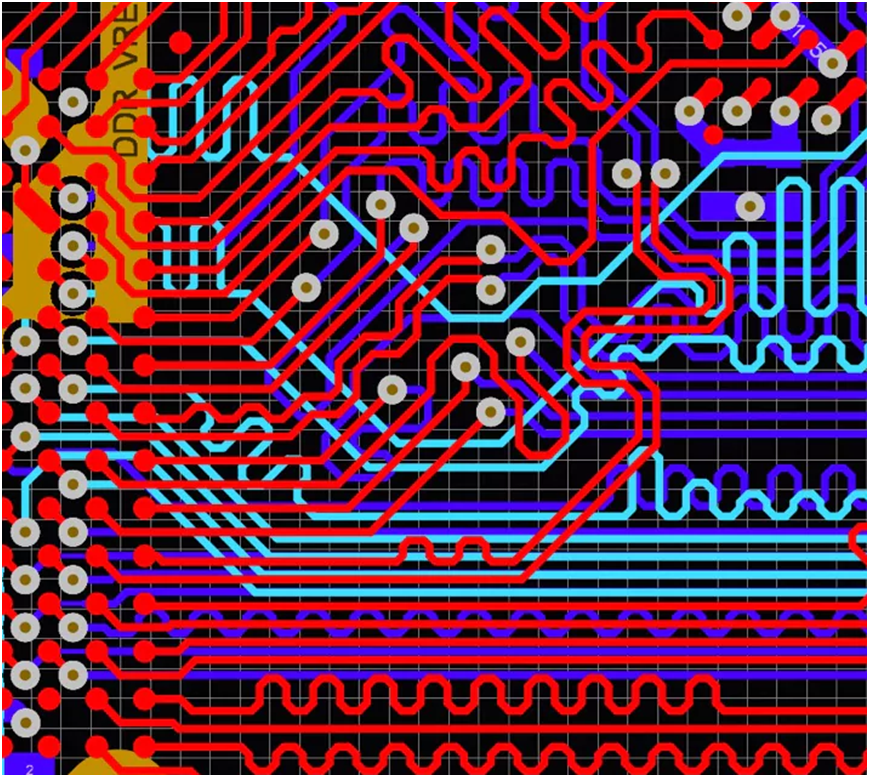
High-speed PCB design revolves around several fundamental principles that ensure signal transmission is fast and accurate, even at high frequencies. Let's break down these principles:
1、Signal Integrity: Ensuring Clear Data Transmission
Signal integrity is the foundation of high-speed PCB design. As the speed of data transmission increases, signal reflection, attenuation, and crosstalk can compromise the performance of the circuit.
- Impedance Matching: Maintaining controlled impedance throughout the PCB traces is essential for reducing reflection and ensuring signal fidelity. This requires accurate trace width calculations and proper layer stack-up design.
- Minimizing Crosstalk: Crosstalk happens when signals from adjacent traces interfere with one another. To reduce this, high-speed PCBs often use techniques like differential pair routing and shielding to isolate sensitive signals.
2、Power Integrity: Maintaining Stable Power Supply
Power integrity (PI) is another vital aspect of high-speed PCB design. Power distribution networks (PDNs) must be optimized to provide clean, stable power to all components, especially high-speed processors and memory.
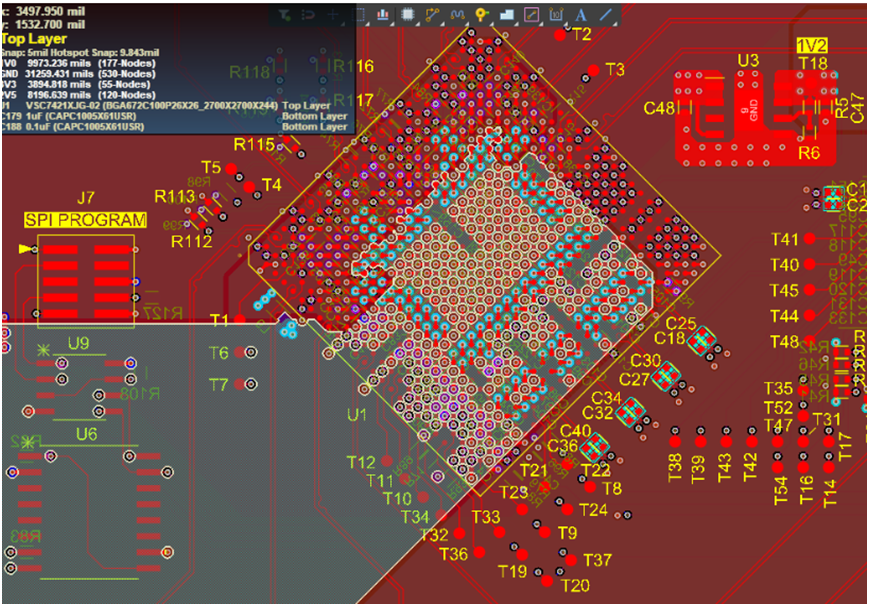
- Decoupling Capacitors: These components help stabilize power supplies by filtering out noise and smoothing out power fluctuations. For high-speed systems, it's critical to place decoupling capacitors close to power pins to ensure minimal noise.
- Low Inductance: High-frequency signals are very sensitive to inductive resistance. Thus, via structures need to be designed carefully to minimize inductance and ensure stable power delivery.
3、Electromagnetic Compatibility (EMC): Preventing Interference
High-speed signals are particularly susceptible to electromagnetic interference (EMI), which can disrupt signal transmission and cause circuit malfunction. EMC design strategies include:
- Ground Planes: Properly placed ground planes help absorb and shield signals, preventing EMI.
- Via Placement: Careful via placement can reduce the impact of EMI, helping to ensure that signals travel in a controlled path.
Optimizing High-Speed PCB Stack-Up Design
One of the most critical aspects of high-speed PCB design is the stack-up design, which determines the arrangement of the PCB layers to achieve proper impedance control and minimize signal degradation.
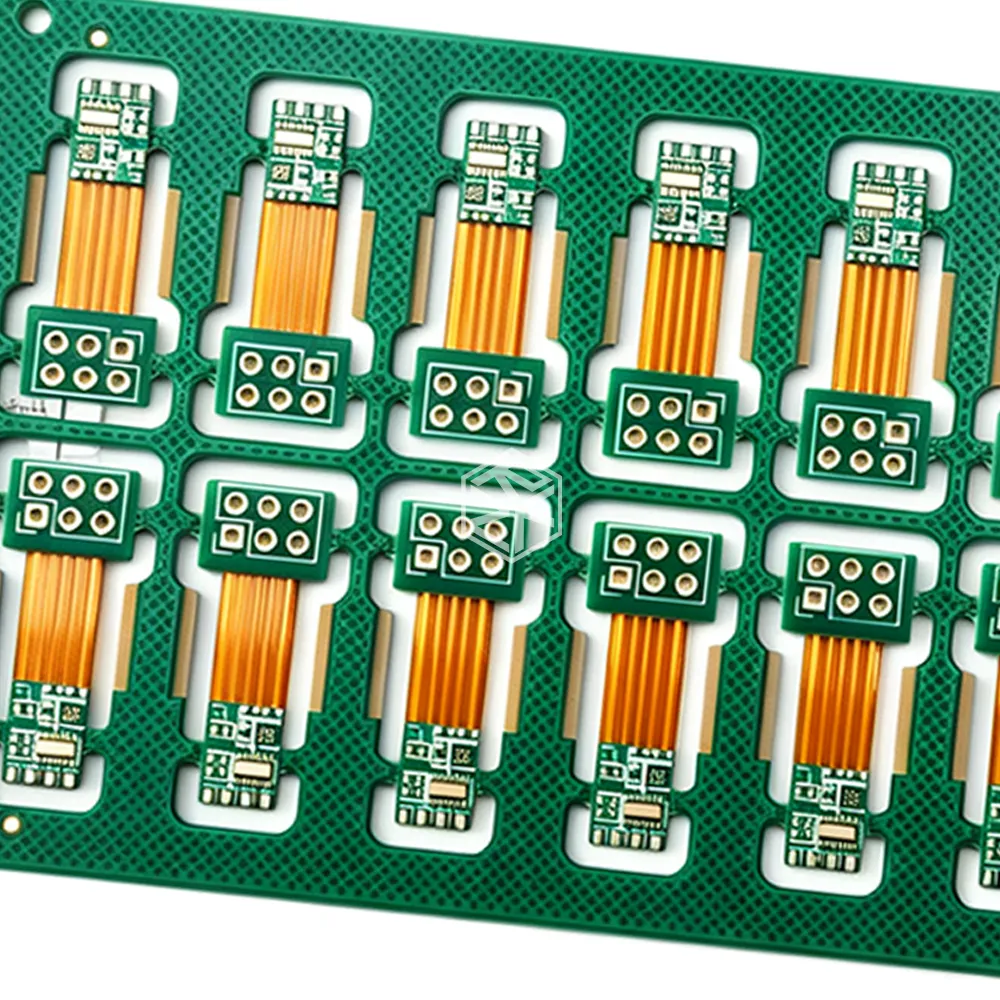
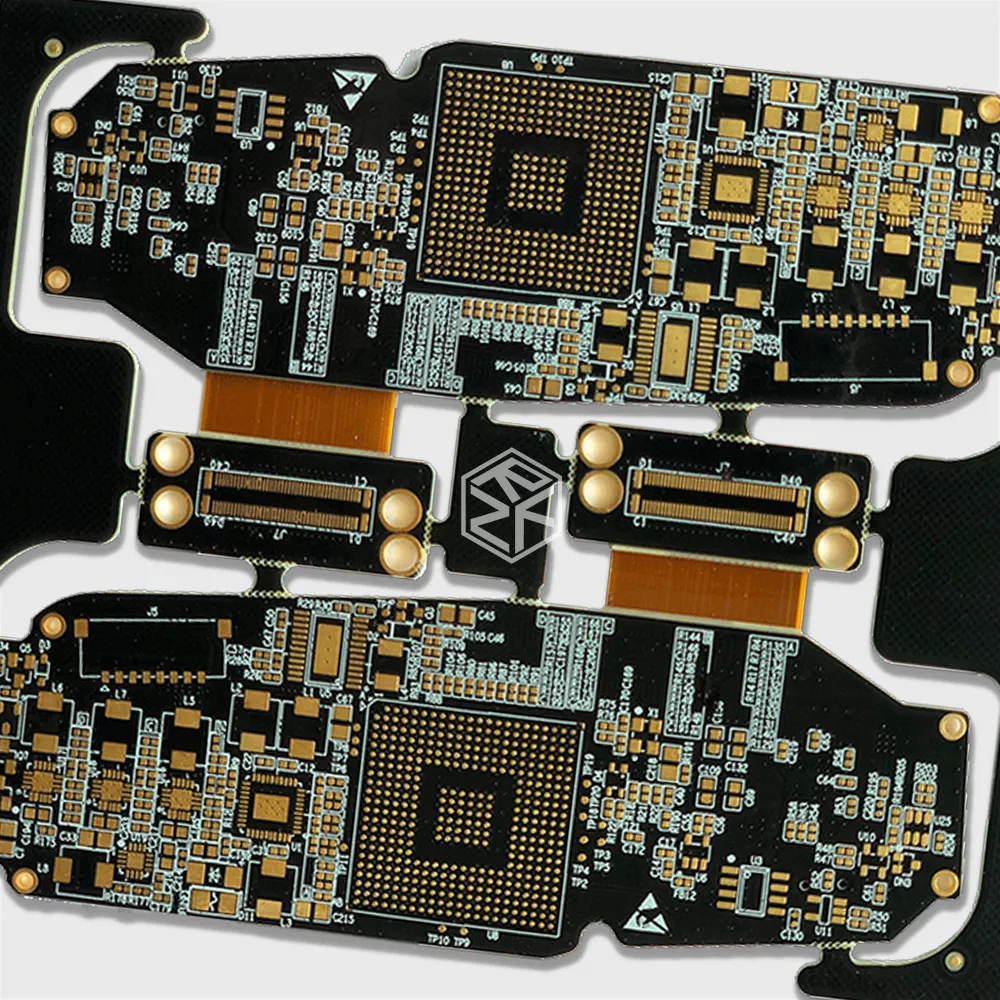
- Layer Selection: The number of layers in a high-speed PCB often depends on the complexity of the circuit. For systems that require multiple high-speed signals, high-density interconnect (HDI) designs with thin traces and blind or buried vias are typically used.
- Dielectric Material Selection: For optimal signal transmission, choosing the right PCB materials with low dielectric loss is key. PTFE (Teflon), Rogers materials, and ceramic-filled composites are commonly used in high-speed PCBs due to their excellent signal-handling properties.
Advanced Routing Techniques for High-Speed Signals
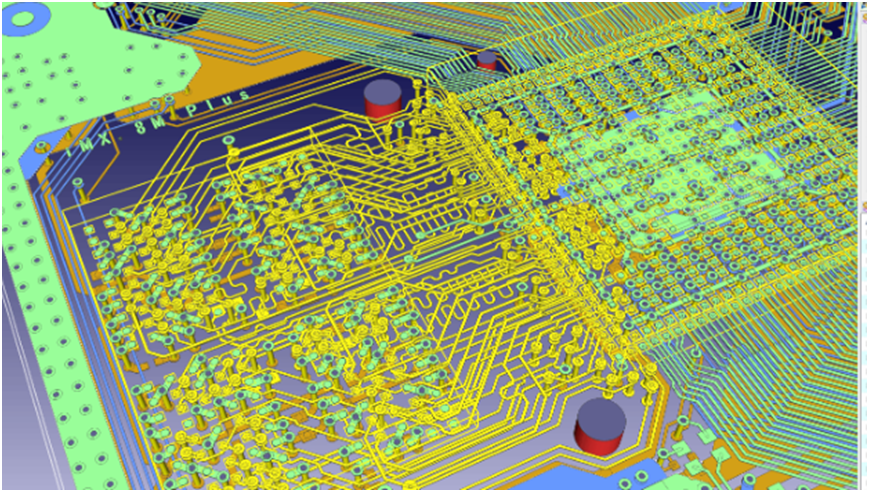
Proper routing is crucial for maintaining signal integrity in high-speed PCBs. Here are some important techniques for effective routing:
- Differential Pair Routing: Used to route high-speed signals that require tight impedance control, differential pairs consist of two traces with equal lengths and a specified gap to ensure balanced transmission.
- Via Minimization: Vias can introduce unwanted inductance and resistance, impacting signal quality. Minimizing via usage and using blind or buried vias help reduce the impact on signal quality.
- Shorter Trace Lengths: Longer traces result in higher signal losses and delays. It's critical to keep trace lengths as short as possible to maintain high performance in high-speed designs.
Key Technologies to Enhance High-Speed PCB Design
High-speed PCB design requires the integration of advanced technologies to achieve optimal performance. These technologies include:
1. HDI (High-Density Interconnect) Technology</strong
HDI technology allows for smaller vias, finer trace widths, and increased routing density, enabling compact designs that are ideal for modern high-speed digital circuits.
2. mSAP (Modified Semi-Additive Process)
mSAP enables the creation of finer features in PCB designs, reducing trace width to below 30 µm, making it ideal for high-speed applications that require precise routing and minimal signal loss.
3. Copper Inlay for High-Current Areas
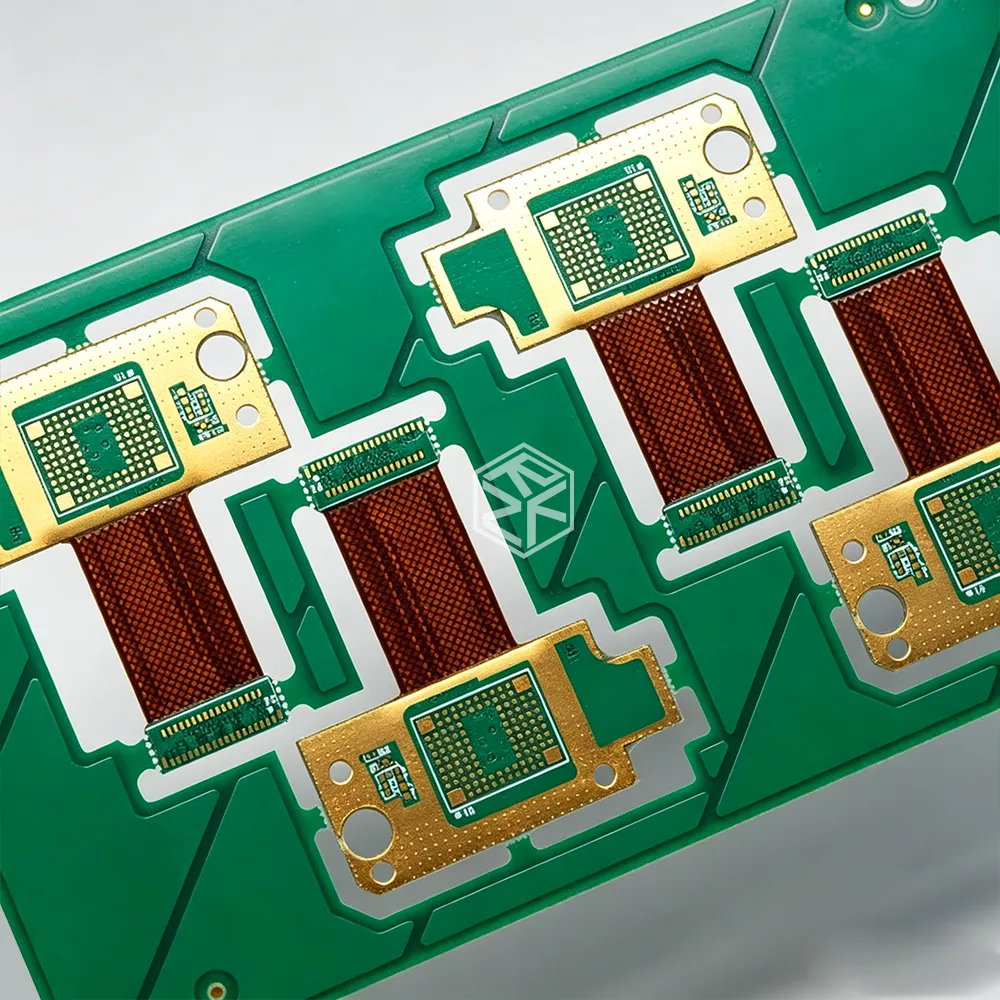
Copper inlay technology helps in the high-current areas of a PCB, especially in VRM (Voltage Regulator Module) regions. Using thicker copper layers or embedded copper blocks helps improve power delivery and reduce heat generation.
Common Challenges in High-Speed PCB Design
Despite the advanced techniques, high-speed PCB design still presents several challenges:
- Signal Reflection and Loss: High-frequency signals are particularly prone to reflections and loss. Impedance mismatches and long trace lengths can exacerbate this issue, reducing performance.
- Heat Dissipation: As circuits become more compact and high-power devices become more common, heat management becomes a significant issue. Proper PCB heat dissipation structures are required to ensure reliable performance.
- Cost vs. Reliability: Achieving optimal high-speed performance often involves using advanced materials and processes that increase the cost. Balancing cost and reliability is a critical challenge in designing high-speed PCBs.
Tools and Software for High-Speed PCB Design
Using the right ECAD tools can greatly enhance the accuracy and efficiency of high-speed PCB design. Some advanced tools include:
- Altium Designer: Offers a range of features for high-speed design, including real-time signal integrity analysis and a comprehensive library of components.
- Cadence Allegro: A high-performance PCB design tool that offers robust simulation and analysis capabilities for managing signal integrity, power integrity, and electromagnetic compatibility.
- Mentor Graphics Xpedition: Provides advanced PCB layout tools and simulation capabilities that enable designers to address complex challenges in high-speed and mixed-signal systems.
Typical Applications of High-Speed PCBs
High-speed PCBs are used in various advanced electronic systems that demand high-frequency signal processing and efficient power delivery. Some of the typical applications include:
1. AI Servers and GPU Clusters
High-speed PCBs are essential for AI servers and GPU clusters, where data needs to be processed at high speeds. These systems require high-density designs and efficient heat dissipation to handle the high computational power of AI chips.
2. Edge AI Acceleration Modules
In edge AI systems, high-speed PCBs enable real-time data processing at the device level. These modules must meet high-performance standards while managing power consumption and thermal load.
3. Automotive AI Computing Units
Automotive AI computing units benefit from high-speed PCBs, which are crucial for tasks like real-time image processing, sensor fusion, and autonomous driving systems. These units require PCBs that can handle large amounts of data quickly and efficiently.
4. Industrial Robot Control Boards
High-speed PCBs are used in industrial robots to ensure fast, reliable communication between components for precise control and automation. These boards must maintain signal integrity in complex, high-density environments.
5. Large Model Inference Cards
For AI inference cards used in large model training and deployment, high-speed PCBs provide the necessary bandwidth and stability for large-scale computations, ensuring minimal latency and high data throughput.
6. Drone and Aerospace AI Processors
High-speed PCBs are also integral in aerospace and drone AI systems, where real-time data processing and low-latency communication are critical. These systems rely on compact, high-density designs to operate efficiently in confined spaces.
FAQ: High-Speed PCB Design
1. What is high-speed PCB design?
High-speed PCB design refers to the creation of printed circuit boards (PCBs) capable of handling high-frequency digital signals with minimal signal loss, noise, and interference, ensuring high data transfer rates and efficient communication between components.
2. What are the common challenges in high-speed PCB design?
Common challenges include managing signal integrity (preventing signal reflections and losses), ensuring proper impedance control, maintaining power integrity, addressing electromagnetic interference (EMI), and dealing with the physical limitations of high-density component layouts.
3. How does impedance control work in high-speed PCB design?
Impedance control ensures that signal traces have consistent impedance throughout the design. This helps prevent signal reflections, data loss, and degradation, ensuring stable and high-quality signal transmission.
4. What materials are best for high-speed PCB designs?
Materials like PTFE (Polytetrafluoroethylene), high-Tg FR4, and Rogers laminates are preferred for high-speed applications. These materials have low dielectric loss and high stability, making them ideal for high-frequency signal transmission.
5. What is the role of HDI in high-speed PCBs?
High-Density Interconnect (HDI) technology allows for the use of smaller vias and finer traces, which are critical for creating high-performance, compact designs. It’s especially essential for devices requiring miniaturization and high-speed data transfer, such as smartphones and AI processors.
6. How do you optimize PCB layout for high-speed designs?
Optimizing PCB layout involves minimizing trace lengths, using fewer vias, placing components efficiently to reduce signal interference, and ensuring proper spacing and routing to maintain signal integrity and impedance control.
7. What is the importance of power integrity in high-speed PCB designs?
Power integrity ensures that the PCB components receive a stable, clean, and low-noise power supply, preventing voltage fluctuations that can disrupt high-speed signal transmission and cause performance degradation.
8. How do you prevent signal integrity issues in high-speed PCB design?
Signal integrity issues can be prevented by using proper impedance control, minimizing via usage, using differential pair routing, incorporating decoupling capacitors, and ensuring correct trace lengths to avoid timing mismatches.
9. How do you handle heat dissipation in high-speed PCBs?
Heat dissipation can be managed by incorporating advanced heat dissipation structures, such as copper inlays, thermal vias, and heat spreaders. These features help disperse heat away from high-power areas to maintain stable operating temperatures.
10. Why is simulation important in high-speed PCB design?
Simulation is crucial as it helps identify potential issues with signal integrity, power integrity, and thermal management early in the design process. This allows for adjustments before manufacturing, saving time, money, and preventing errors.
High-speed PCB design is an essential element in modern electronics, where high-frequency signals and high-density layouts demand precise engineering. By adopting best practices for impedance control, signal integrity, and heat management, designers can create efficient and reliable PCBs for demanding applications.
Whether you’re working on telecommunications, AI accelerators, or consumer electronics, having the right PCB design tools and a deep understanding of the challenges involved is crucial. Rich Full Joy brings 20+ years of expertise to the table, providing professional PCB solutions designed to meet the highest standards of performance and reliability. Let us help you achieve success in your high-speed PCB projects!
📌Want to learn more about high-speed PCB design?
💬Reach out to us for expert advice or customized solutions tailored to your project needs!
Brand Signature: Rich Full Joy Engineering Philosophy
At Rich Full Joy, we treat high-speed PCB design as a critical engineering task, not just assembly. With our 20+ years of experience, we ensure that every design is optimized for performance and reliability.