
How PCB Manufacturers Can Support the Growth of AI and Data Centers
Table of Contents
- The Interconnected Future of AI, Data Centers, and PCBs
- The Critical Role of PCBs in AI and Data Center Infrastructure
- Technological Demands of AI Systems on PCB Manufacturing
- How PCB Manufacturers Can Adapt to Meet AI-Driven Needs
- Collaboration Between PCB Manufacturers and Data Center Developers
- Case Studies: PCB Innovations Powering AI and Data Centers
- The Future of PCB Technology in AI Ecosystems
- FAQs
- Building the Hardware Foundation for the AI Revolution
The Interconnected Future of AI, Data Centers, and PCBs
The world of artificial intelligence (AI) runs on a silent yet indispensable foundation — printed circuit boards (PCBs). As AI algorithms grow more sophisticated and data centers expand to meet massive computational demands, the performance and resilience of PCBs become paramount. Every server, accelerator, and networking module inside a data center relies on the precision and efficiency of PCB design and manufacturing.
In this article, we'll explore how PCB manufacturers are evolving to meet the rapid growth of AI-driven technologies and data centers, and what strategies are shaping the next generation of electronic infrastructure.

The Critical Role of PCBs in AI and Data Center Infrastructure
What Makes PCBs the Backbone of Modern Electronics
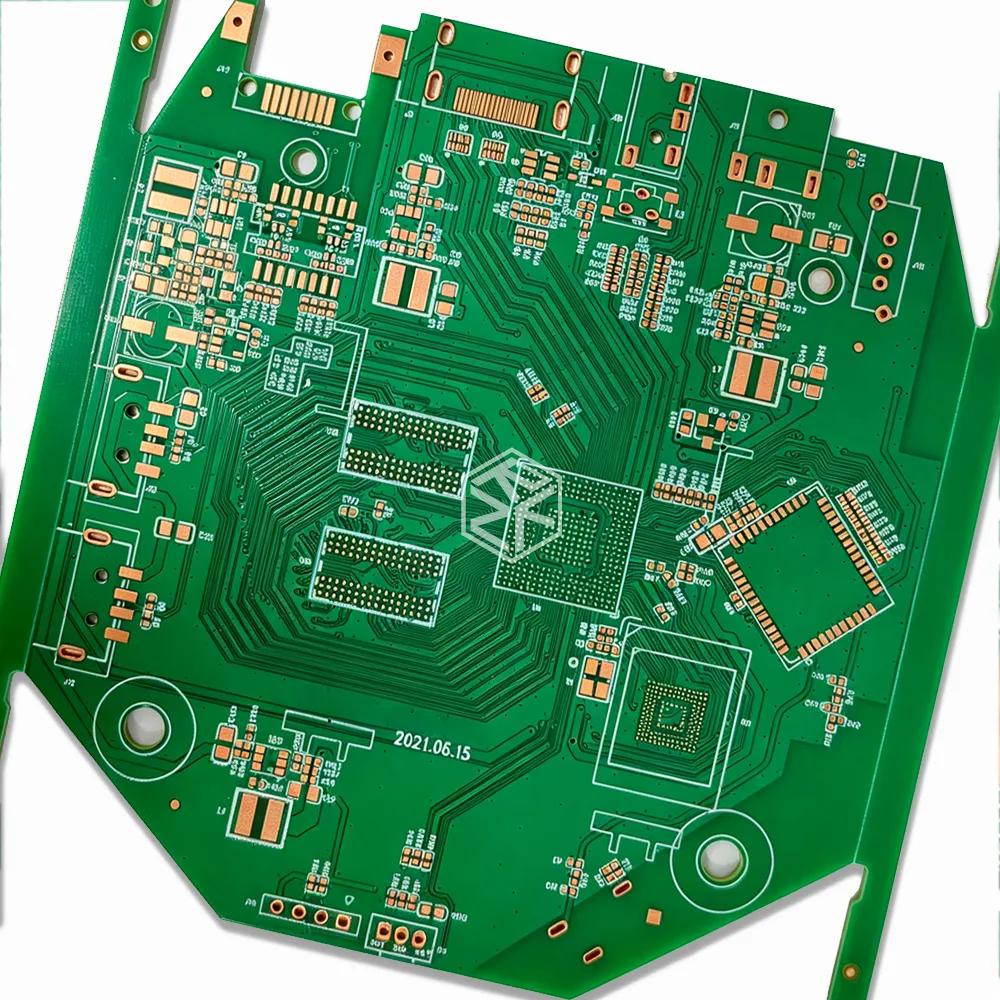
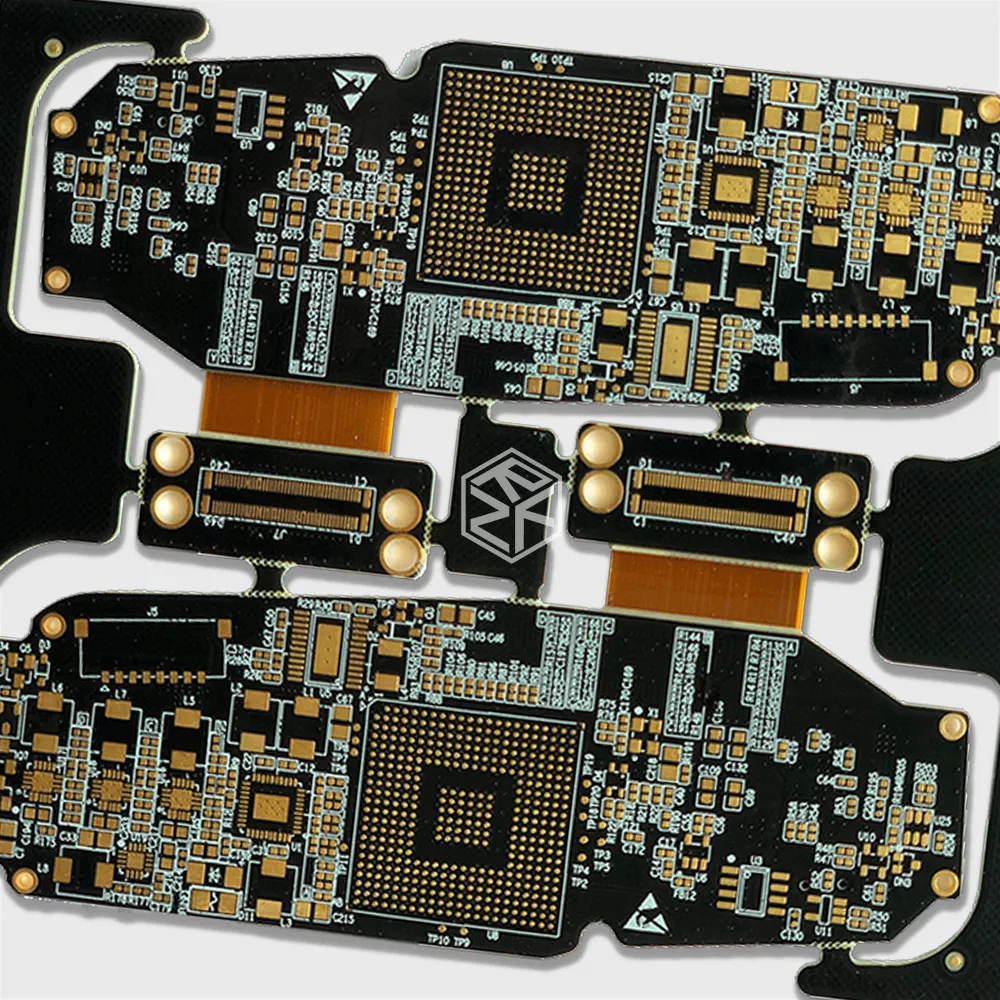
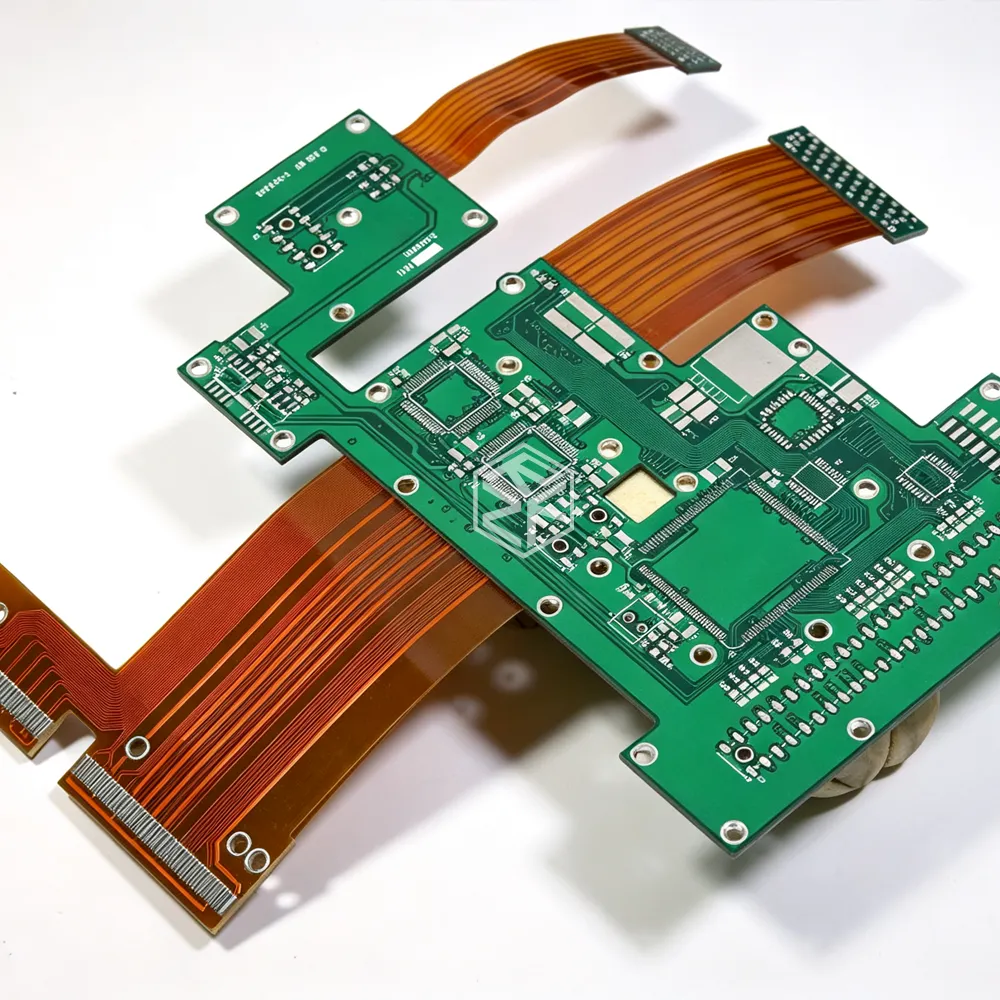
A printed circuit board is the nervous system of all electronic devices. It routes power, signals, and data between components — processors, memory units, and sensors. In the context of AI, PCBs must handle high data throughput and operate under extreme thermal and electrical stress.
From GPUs powering neural networks to networking modules handling terabytes of traffic per second, the precision of PCB layout and material choice dictates system stability and longevity.
How PCB Design Impacts Performance and Efficiency in Data Centers
In data centers, every watt saved can translate into thousands of dollars annually. PCB manufacturers now optimize board designs to minimize resistance and energy loss. Techniques such as multilayer stacking, blind/buried vias, and controlled impedance routing ensure that AI servers can process data at lightning speeds while maintaining low latency and minimal noise interference.
Technological Demands of AI Systems on PCB Manufacturing
High-Speed and High-Density Interconnect (HDI) Requirements
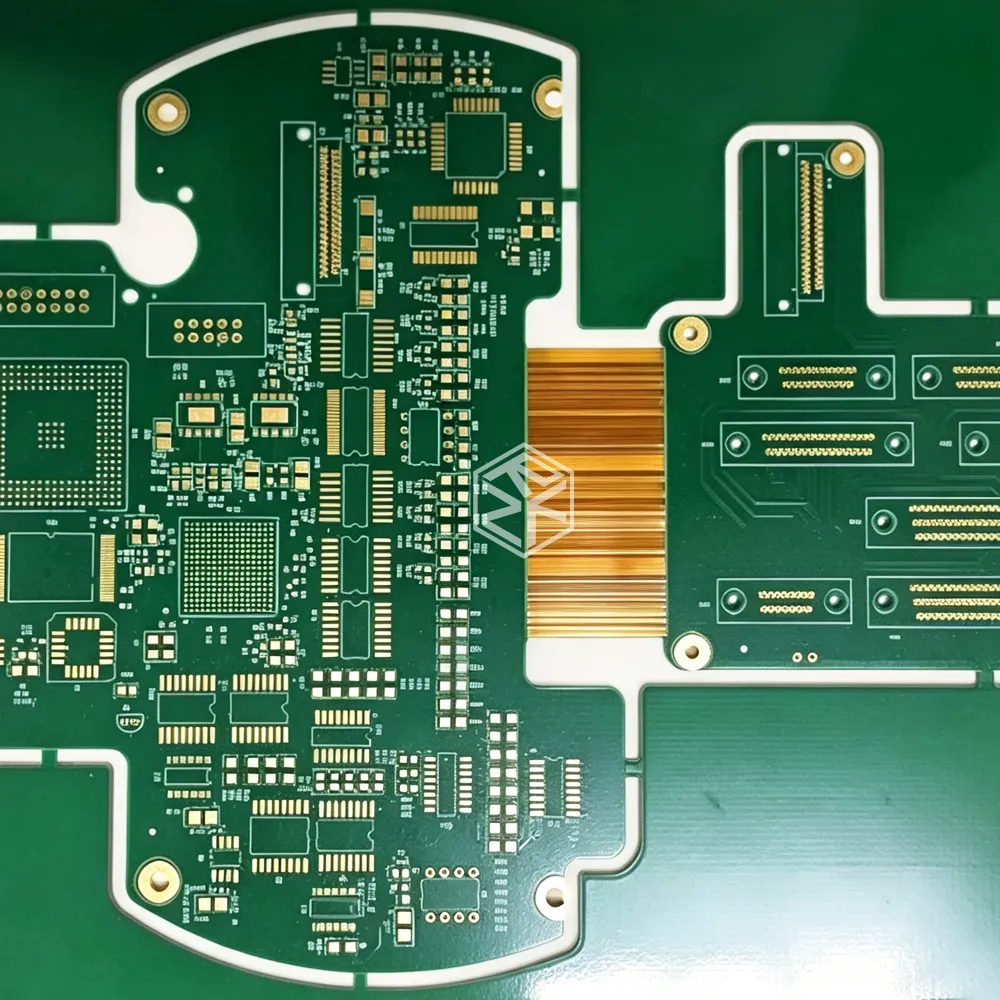
AI workloads demand ultra-fast data communication between chips. PCB manufacturers are responding by producing HDI boards that allow more interconnections per square inch. These advanced boards reduce signal delay and enable smaller form factors — a must for compact AI servers.
Thermal Management Challenges in AI Server Boards
As GPUs and CPUs process massive datasets, they generate intense heat. PCBs must integrate thermal vias, heat sinks, and metal cores to maintain safe operating temperatures. Materials with high thermal conductivity, such as copper-invar-copper (CIC) or aluminum substrates, are increasingly used to dissipate heat effectively.
Signal Integrity and Power Delivery for High-Performance Computing (HPC)
AI hardware operates at gigahertz frequencies, where even tiny distortions in signal paths can cause computation errors. PCB manufacturers address this through low-loss dielectric materials, optimized trace geometry, and power distribution networks (PDNs) that ensure stable voltage to every component.
How PCB Manufacturers Can Adapt to Meet AI-Driven Needs
Advanced Materials: From FR-4 to Metal Core and Hybrid Substrates
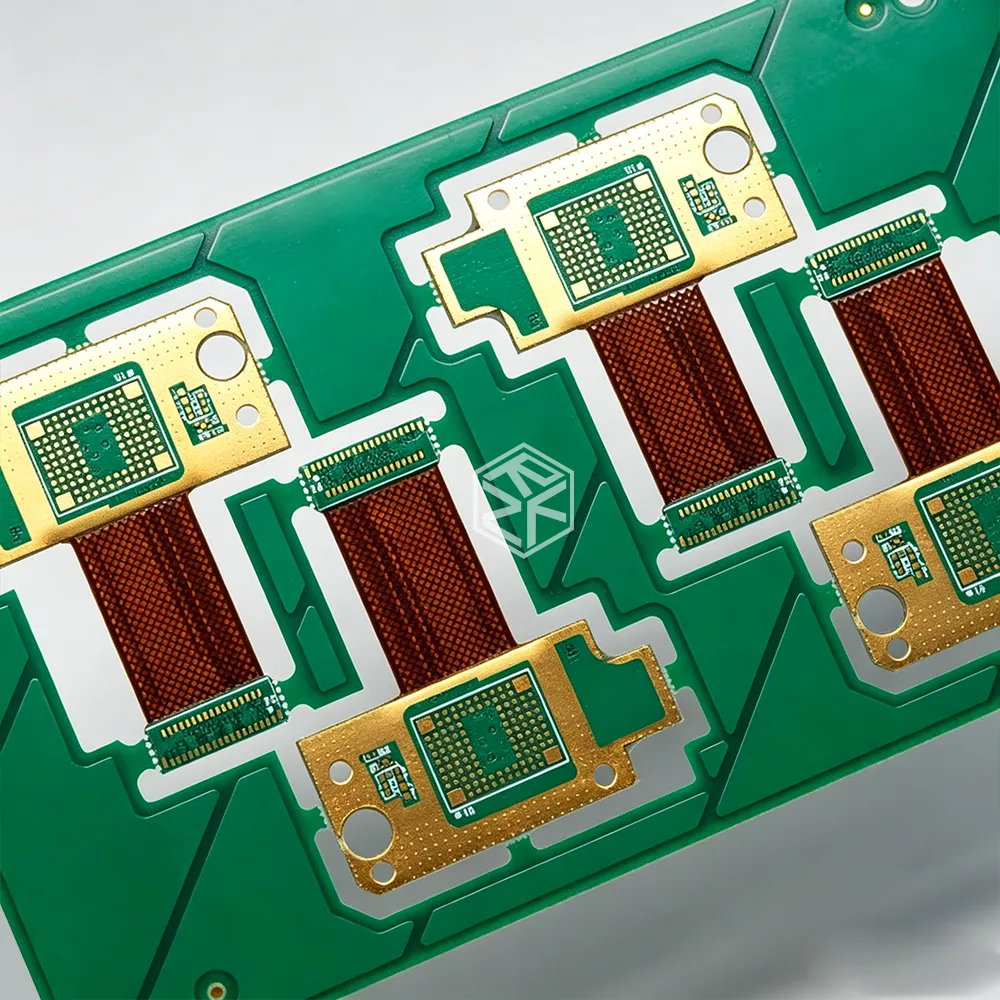
Traditional FR-4 boards are being replaced by materials that support higher frequencies and temperatures. Rogers, Teflon, and ceramic composites are now common in AI server boards. Hybrid boards combining metal cores and advanced laminates strike a balance between thermal performance and electrical stability.
Automation and AI-Driven PCB Fabrication Processes
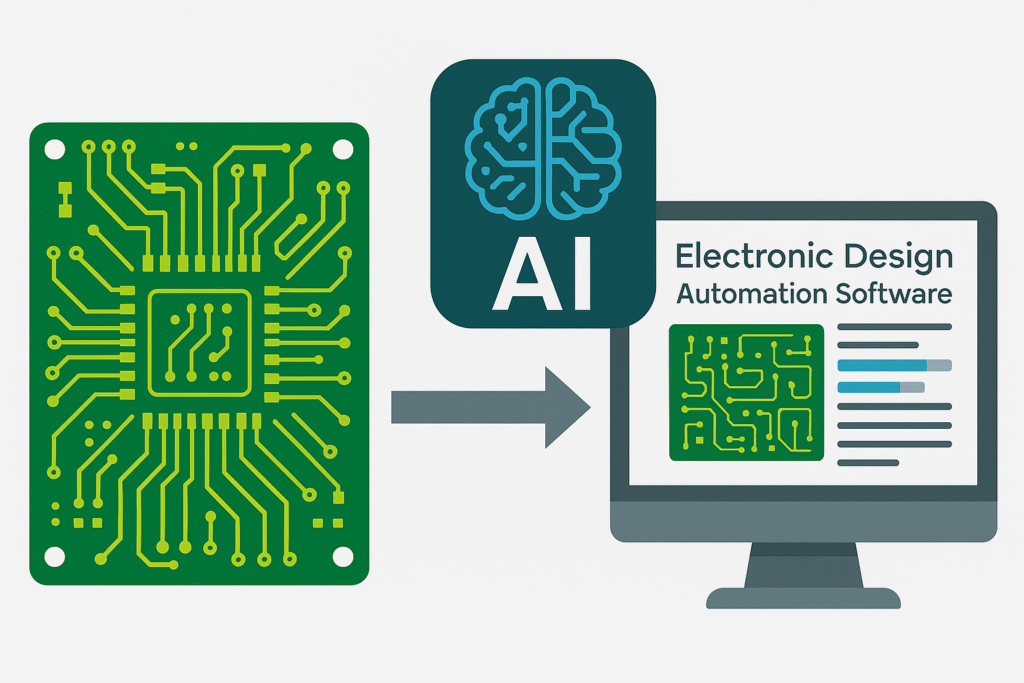
Interestingly, AI itself is transforming PCB manufacturing. AI-powered inspection systems can detect micro-defects invisible to humans, while machine learning algorithms optimize routing, drilling, and lamination processes in real-time. This integration of AI closes the feedback loop between design and production.
Sustainability and Energy Efficiency in PCB Production
Modern data centers aim for carbon neutrality, and PCB manufacturers are following suit. Water recycling systems, lead-free soldering, and bio-based laminates are becoming industry standards. The goal is to reduce not just operational emissions but the carbon footprint of the hardware itself.
Collaboration Between PCB Manufacturers and Data Center Developers
Co-Design and Rapid Prototyping for AI Infrastructure
The line between design and manufacturing is blurring. PCB manufacturers increasingly collaborate with AI hardware developers during the design phase to co-optimize performance and manufacturability. Rapid prototyping shortens time-to-market — a critical factor in the competitive AI space.
Standardization and Scalability in PCB Manufacturing
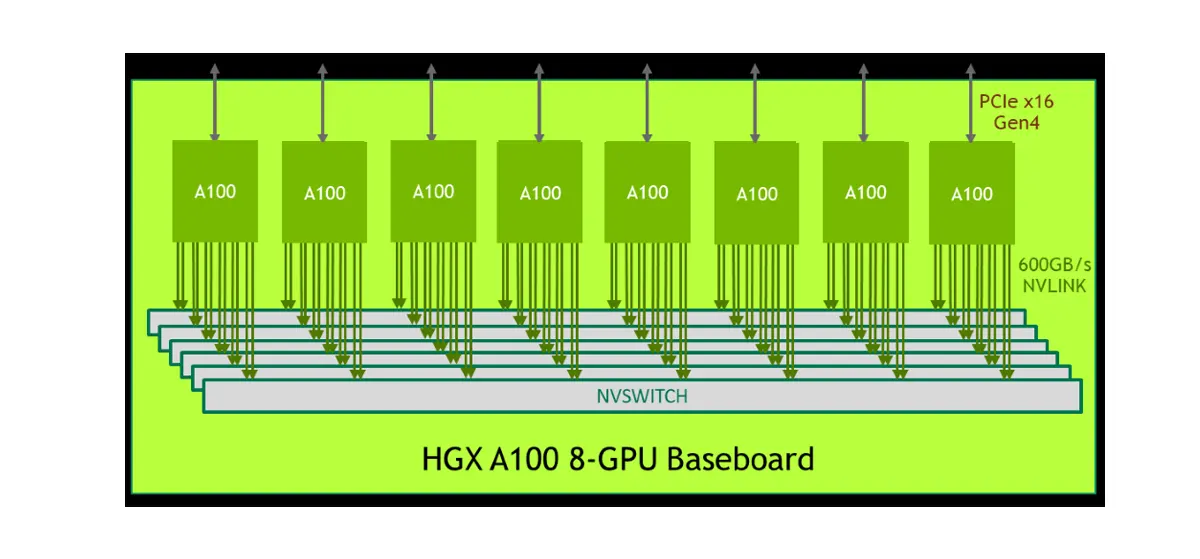
Consistency is vital when scaling thousands of AI servers. PCB makers are adopting IPC standards and automated production lines to ensure every board performs identically under stress. Such uniformity is crucial for hyperscale data centers that depend on predictable, stable performance.
Case Studies: PCB Innovations Powering AI and Data Centers
PCBs in NVIDIA's AI Accelerator Boards
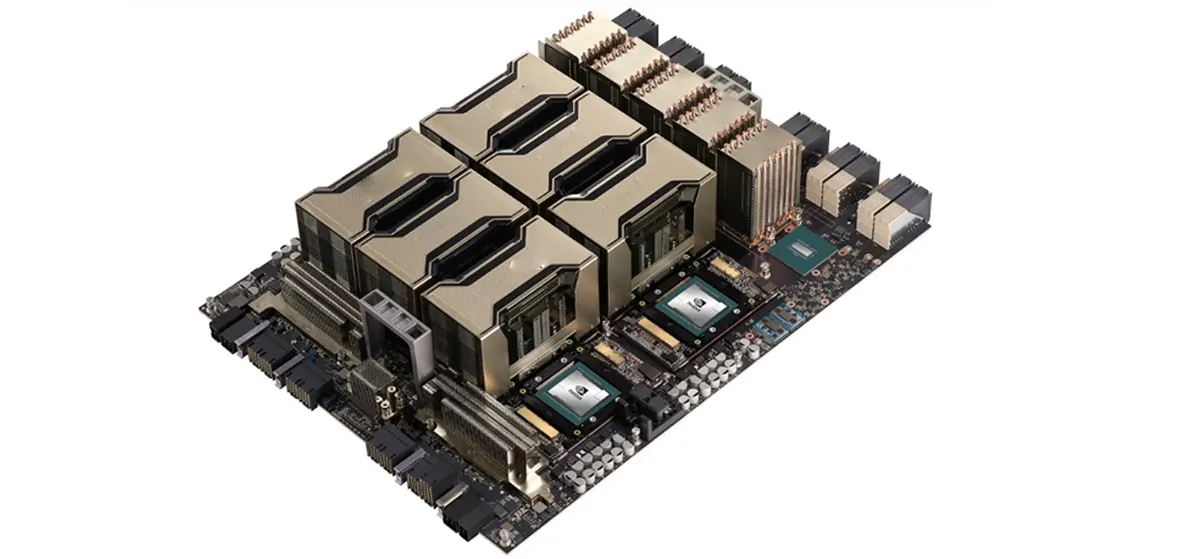
NVIDIA's AI accelerators use 20+ layer PCBs with HDI design and low-loss laminates. These boards support extremely high bandwidth between GPUs and memory, enabling efficient training of large neural networks.
Liquid-Cooled PCB Solutions for Hyperscale Data Centers
Some PCB manufacturers now design boards that integrate microfluidic cooling channels directly into their layers. This approach drastically improves thermal management in large-scale data centers, where traditional air cooling is no longer sufficient.
The Future of PCB Technology in AI Ecosystems
3D-Printed PCBs and Embedded Components
The next frontier involves additive manufacturing (3D printing) of PCBs. This technology enables embedding passive components within layers, reducing size and improving electrical performance.
Edge AI and the Rise of Modular PCB Architectures
As AI moves closer to the edge — think autonomous vehicles and IoT — modular, reconfigurable PCBs are gaining traction. These allow devices to scale processing capabilities dynamically without full redesigns.
FAQs
1. Why are PCBs so important for AI and data centers?
Because they connect and power every electronic component, influencing speed, reliability, and efficiency.
2. What materials are used for AI-specific PCBs?
Manufacturers use advanced laminates like Rogers, ceramic, and metal-core substrates for high performance.
3. How do PCBs affect energy consumption in data centers?
Efficient PCBs reduce electrical resistance and heat generation, saving substantial energy over time.
4. Are AI systems influencing PCB manufacturing techniques?
Yes, AI-driven inspection and optimization tools are now integral to modern PCB fabrication.
5. Can sustainable PCBs perform as well as traditional ones?
Absolutely. Eco-friendly materials now match or exceed conventional PCB performance.
6. What's next for PCB innovation?
Expect breakthroughs in 3D-printed boards, embedded cooling, and AI-assisted circuit optimization.
Building the Hardware Foundation for the AI Revolution
The growth of AI and data centers hinges on advancements in hardware — and at the heart of that evolution lies the printed circuit board. By embracing new materials, automation, and sustainability, PCB manufacturers are becoming the unsung heroes of digital progress. Their innovations are shaping the infrastructure that powers our AI-driven future.