

0102030405
Flex PCB FAQ: 5 Crucial Questions Answered by Industry Experts (Data Inside)
2025-07-07
Looking to optimize your flexible circuit design? Here are five expert-verified answers to the most pressing questions about Flex PCBs—backed by real industry data.
Q1: How Does FPC Impedance Process Impact Signal Transmission?
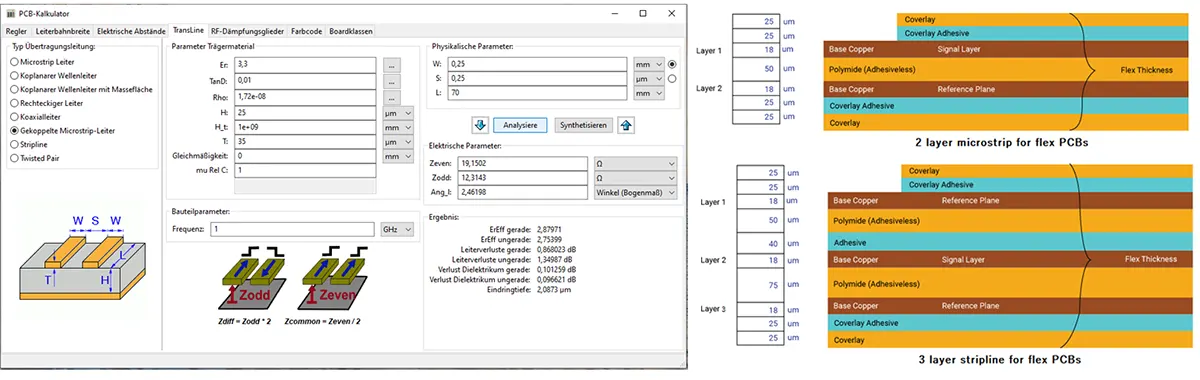
Answer: Precise impedance control is critical for high-frequency performance. Maintaining tight impedance tolerances (±5%) can:
- ✅ Reduce signal reflection by up to 40%
- ✅ Lower attenuation by 25% in 5G modules (IEEE 803.3)
- ✅ Deliver 12–15% higher data rates
- ✅ Cut BER by 60% in mmWave applications
- ✅ Improve EMI shielding for automotive radar systems
Design Tip: Always request impedance testing reports for >1GHz designs.
Q2: Why Choose Solder Mask Plugging for Vias?
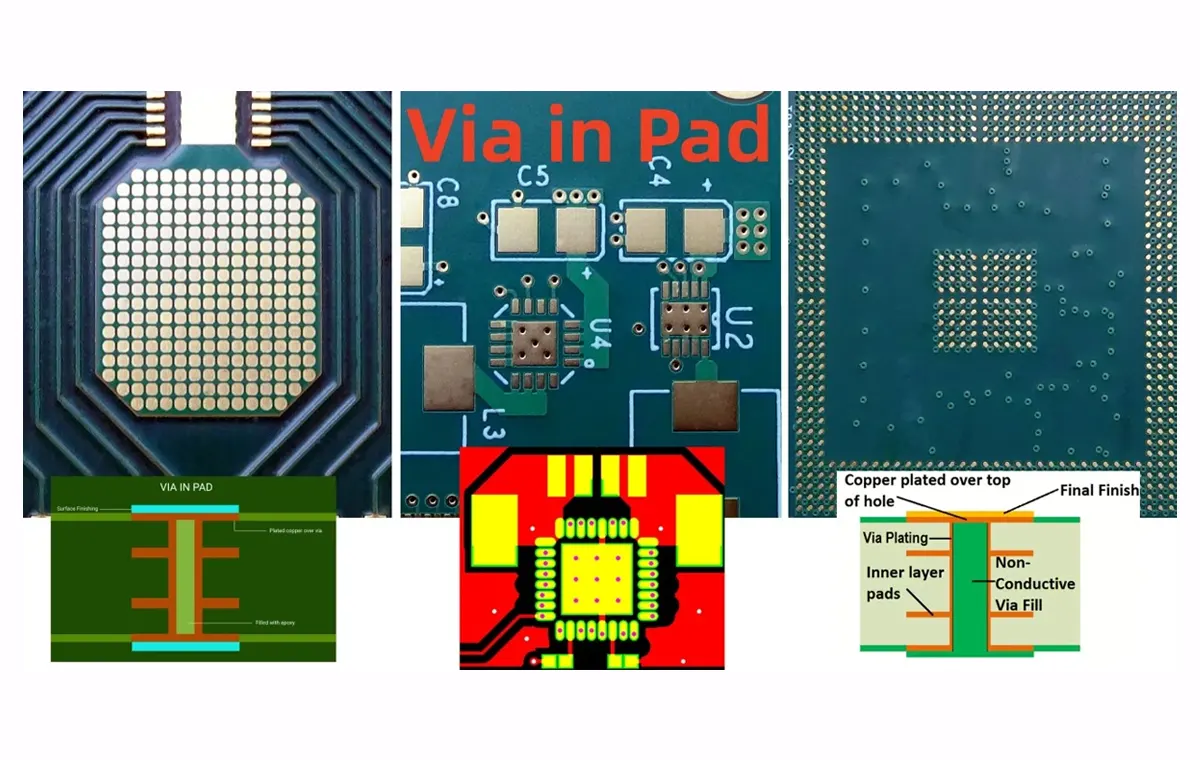
Answer: Solder mask plugging significantly enhances via reliability in harsh environments:
| Failure Mode | Improvement |
|---|---|
| Electrochemical Migration | 99.9% prevention |
| Thermal Cycling Failure | 300% lifespan extension |
| Solder Wicking | Zero defects in reflow |
Essential for automotive ECUs subjected to 15G vibrations and -40°C to 150°C temperature ranges.
Q3: What Makes Panasonic Materials Superior?
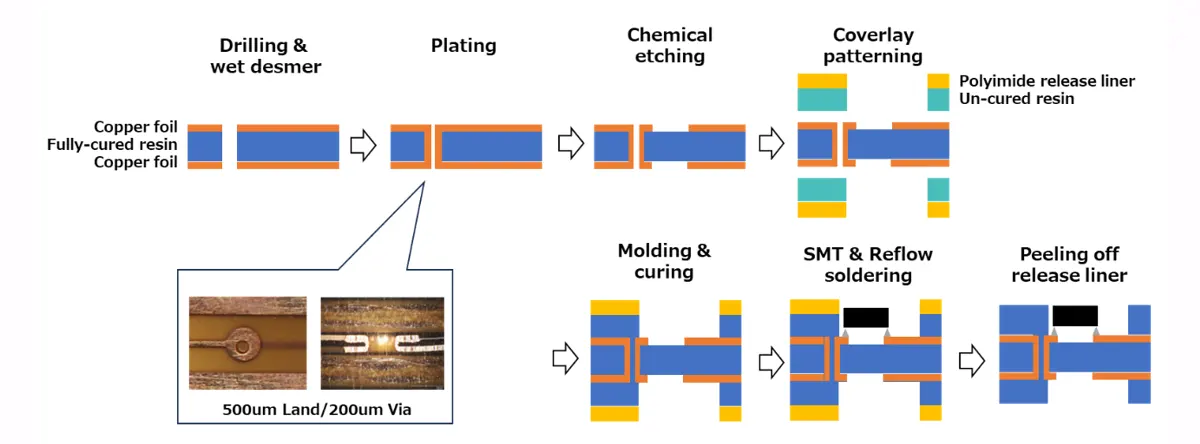
Answer: Panasonic's high-performance copper foils and polyimide films offer unmatched durability:
- TG320 Copper Foil: 0.05% dimensional change at 150°C (vs. 0.2%)
- ✅ 30% higher cyclic bending endurance (IPC-6013 Class 3)
- Polyimide Films: Dielectric strength of 210 kV/mm (3× industry average)
- ✅ NASA-STD-6001 compliant: Outgassing < 0.01%
Application Insight: Ideal for aerospace-grade flex circuits exposed to cosmic radiation.
Q4: FCB vs. CCB – The Ultimate Comparison
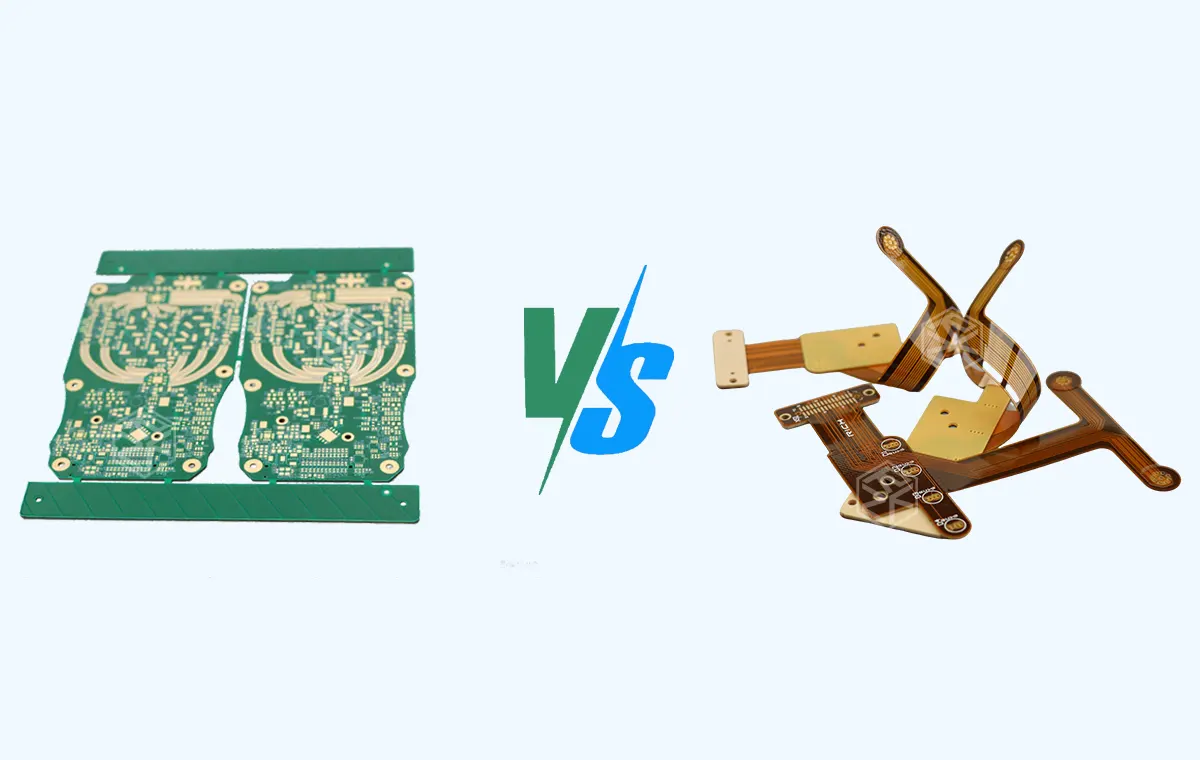
Compare the physical and electrical properties of Flex PCBs (FCB) and Conventional Rigid PCBs (CCB):
| Parameter | Flex PCB | Rigid PCB | Advantage |
|---|---|---|---|
| Bend Radius | 0.1mm (dynamic) | N/A | 1000× flexibility |
| Weight | 0.15g/cm³ | 1.8g/cm³ | 92% lighter |
| Layer Stack | 20L rigid-flex | 48L max | 50% space saving |
| Thermal Shock Resistance | 5000 cycles (-55↔125°C) | 500 cycles | 10× reliability |
Real-World Case: Flex PCBs enabled a 2.5mm diameter medical endoscope design (vs. 8mm with rigid boards).
Q5: Future Trends Reshaping the Flex PCB Industry
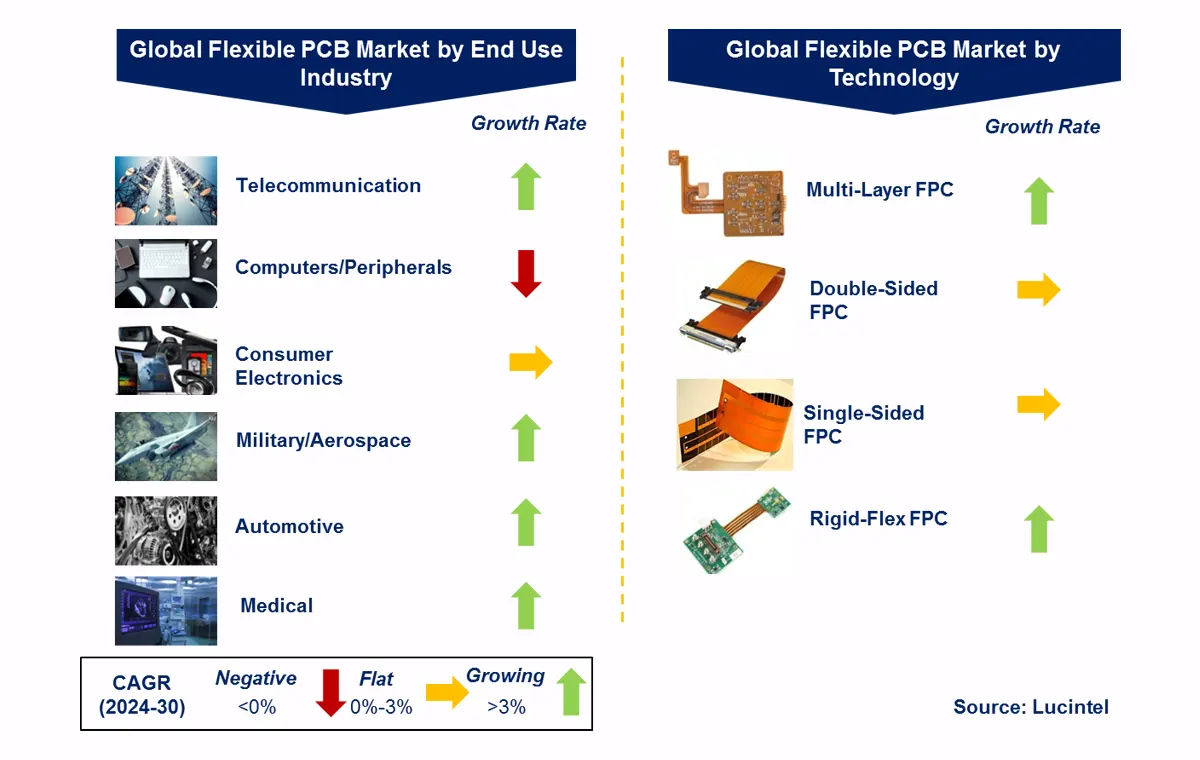
From 2024 to 2030, the Flex PCB sector will undergo dramatic shifts:
- 📶 5G/6G: 75% of mmWave antennas to use LCP FPCs by 2027
- 🚗 Automotive: 22kg weight saved per EV using FPC wiring harnesses (validated by Tesla Model Y)
- 🛠 Additive Manufacturing: Laser Direct Structuring (LDS) to cut prototyping time by 80%
Pro Tip: Invest early in embedded component technology – projected market size: $1.2B by 2028 (Prismark).
Explore More on Flex PCB Design & Manufacturing
- ·Flex PCB Manufacturing & Assembly Services – Comprehensive overview of production process and capabilities.
- ·Flex PCB Design Guide – Best practices for layout, stack-up, and impedance control.
- ·Flex PCB Cost & Quotation Factors – Understand cost drivers and how to optimize your budget.
- ·Flex PCB Material Selection – Insights into LCP, PI, adhesive types, and copper foils.
- ·Flex PCB vs Rigid-Flex: Which One to Choose? – Technical and cost comparison for better decision-making.
🌐 Trusted Resources & Industry Standards
- ·IEEE Standards for High-Speed PCB Design – Reference for signal integrity and impedance guidelines.
- ·IPC-6013 Standard for Flexible Circuits – Qualification and acceptance criteria for flex circuits.
- ·Prismark Market Research – Forecasts and insights into the flexible electronics market.
0102